New Tariffs Imposed
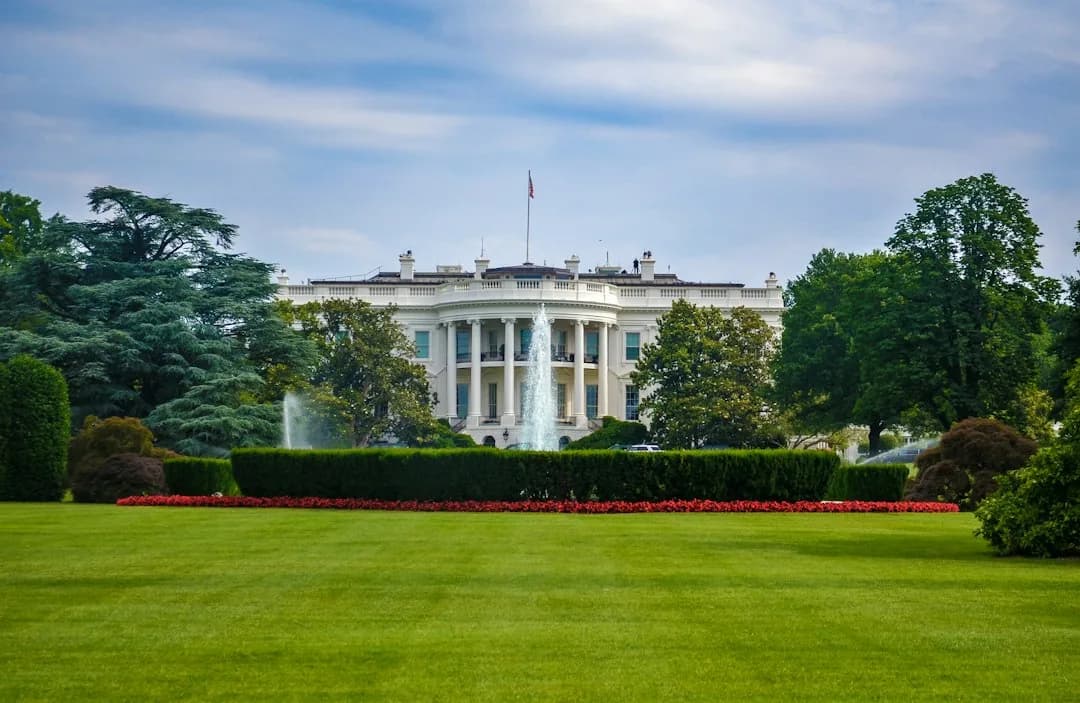
President Donald Trump is imposing new double-digit tariffs on dozens of U.S. trading partners as temporary 10% levies expire at 12:01 a.m. Friday (04:01 GMT). The United States will tax imports from 60 countries, which account for 99% of U.S. imports, at rates of 10% to 12.5% for inadequate enforcement of forced labor import bans. Trump had turned to the temporary levies after the Supreme Court struck down his biggest tariffs in February.[S1][S2][S3][S4][S5]
U.S. Trade Representative Jamieson Greer said the United States has enforced a forced labor ban for nearly a century and it is time for partners to do the same. He called the action a correction of a human rights abuse and trade distortion to improve worker welfare.[S1][S2][S3]
Some products, including oil, gas, and fertilizer, are exempt from the new tariffs. Additionally, some countries that tightened enforcement qualified for lower rates; for instance, India's tariff was reduced from 12.5% to 10%.[S2][S3]
Legal Framework and Future Actions
The new tariffs are authorized under Section 301 of the Trade Act of 1974, which allows sanctions for unjustifiable or discriminatory trade practices. Trump previously used Section 301 on China. The Supreme Court struck down his earlier IEEPA tariffs in February, forcing refunds. He then imposed temporary Section 122 levies, which expire Friday.[S1][S2][S3][S5]
The U.S. Trade Representative’s office is investigating 16 countries, responsible for 70% of U.S. imports, for overproduction that may distort markets. The investigation could lead to more Section 301 tariffs.[S1][S2][S3][S5]
Reactions and Enforcement Concerns
The tariffs drew immediate criticism. U.S. Representative Richard Neal of Massachusetts called the forced labor justification “too convenient” and said forced labor “should never be cheapened into a pretext for a tariff policy built on dubious legal theories.” Brazil, which faces a 12.5% tariff, called the U.S. move “arbitrary and unjustified” and plans to trigger its reciprocity law for retaliatory tariffs and file a complaint at the World Trade Organization.[S4][S5]
Martina Vandenberg from The Human Trafficking Legal Center said import bans can be effective but warned countries need time to build enforcement mechanisms. She urged a phased approach to ensure bans are meaningful and not just paperwork.[S4]
Forced labor is defined by the International Labor Organization Convention of 1930 as work exacted under menace of penalty and not offered voluntarily. The Uyghur Forced Labor Prevention Act, passed in 2021, is a key U.S. law prohibiting imports from China's Xinjiang region.[S4]
Trade Policy Reversal
President Trump argues that high tariffs will revive American manufacturing. Last year, he overturned decades of U.S. policy that favored lower tariffs and ever-freer trade by invoking the International Emergency Economic Powers Act (IEEPA) to impose double-digit tariffs on almost all imports, citing the trade deficit as a national emergency.[S1][S2][S3][S5]
The Supreme Court ruled in February that IEEPA did not authorize tariffs, forcing the administration to refund importers. In response, Trump announced 10% worldwide tariffs under Section 122 of the Trade Act of 1974, but those are limited to 150 days and expire Friday.[S1][S2][S3][S5]