A Forecast Unlike Any in Three Decades
New York City is bracing for heavy rain and wind gusts of 50 to 60 miles per hour on Thanksgiving Day, with the fiercest winds expected between 10 a.m. and 6 p.m., according to NYC Emergency Management. A high wind watch covers the metropolitan area from 10 a.m. Thursday until 1 a.m. Friday. Rainfall of roughly one to two inches is forecast, with totals possibly reaching 2.75 inches, along with flash flooding and the chance of thunderstorms.[S1]
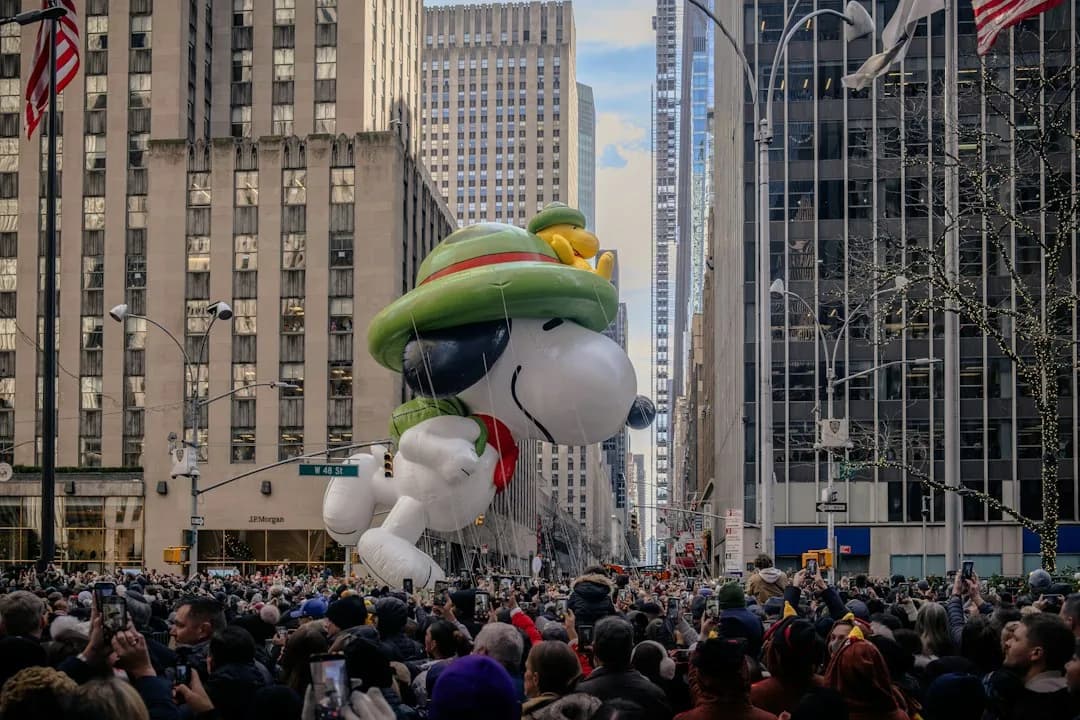
Al Roker, the longtime TODAY weatherman, told viewers on Nov. 25 that in 32 years of covering the parade he had never encountered a forecast quite like this one. The 100th edition of the parade is scheduled to step off at 8:30 a.m. ET on Nov. 26, with a record 100 balloons floating through Manhattan and a live broadcast on NBC, Peacock and Telemundo. Savannah Guthrie, Roker and Hoda Kotb are set to host.[S1]
Outlets across the country have picked up the question of whether the event can proceed, with headlines from the Democrat and Chronicle, The Hill, Breitbart News, People.com, Taste of Country, primetimer.com and WDSU all focusing on the weather threat and the parade's history of cancellations.[S2][S3][S4][S5][S6][S7][S8]
The Wind Rules That Decide the Balloons' Fate
New York City regulations require that the giant balloons be grounded when sustained winds climb above 23 miles per hour and gusts surpass 34 miles per hour. Those rules date to 1998, adopted after severe weather struck the prior year's parade, when gusts of up to 43 mph drove a Dr. Seuss Cat in the Hat balloon into a lamppost at 72nd Street and Central Park West, tearing off a metal arm and injuring four people. Police also had to bring down and deflate the Barney and Pink Panther balloons that year.[S1]
When conditions are merely windy rather than dangerous, the NYPD and parade organizers can lower the balloons' flight height instead of grounding them. At the 2019 parade, gusts reached 33 mph — right at the threshold — and vehicles were tethered to the balloons so they could fly lower along Sixth Avenue in Manhattan. Organizers plan to track wind speeds and weather conditions and will make any safety-related call on Thanksgiving morning.[S1]
A History of Snow, Rain and One Grounded Year
Only once has the parade taken place without any inflatables aloft: in 1971, when fierce winds and rain forced organizers to keep every balloon on the ground. Otherwise the event has proceeded through punishing conditions. In 1989, 4.4 inches of snow had fallen by noon, making it the snowiest parade on record, and in 2006 participants endured nearly two inches of rain. The 2018 edition brought 17-degree temperatures and 20-mph winds, which Roker described on TODAY as the coldest parade in history.[S1]
The parade has been called off entirely only for war. Launched in 1924, it was not held from 1942 through 1944 because of World War II. It has never been canceled for bad weather. Giant balloons debuted in 1927 with Felix the Cat, and organizers once released them into the sky after the parade — a practice that ended after a 40-foot flying blue hippo set loose at the 1931 parade drifted away and was never recovered.[S1]
Viewers can watch the parade on NBC or Peacock beginning at 8:30 a.m. ET on Thursday, Nov. 27, with an NBC encore at 2 p.m. The route generally runs about 2.5 miles from the Upper West Side to Macy's flagship store in Herald Square in Midtown, finishing by noon in a typical year.[S1]