San Francisco: collapsed walls, crushed cars and a city in the dark
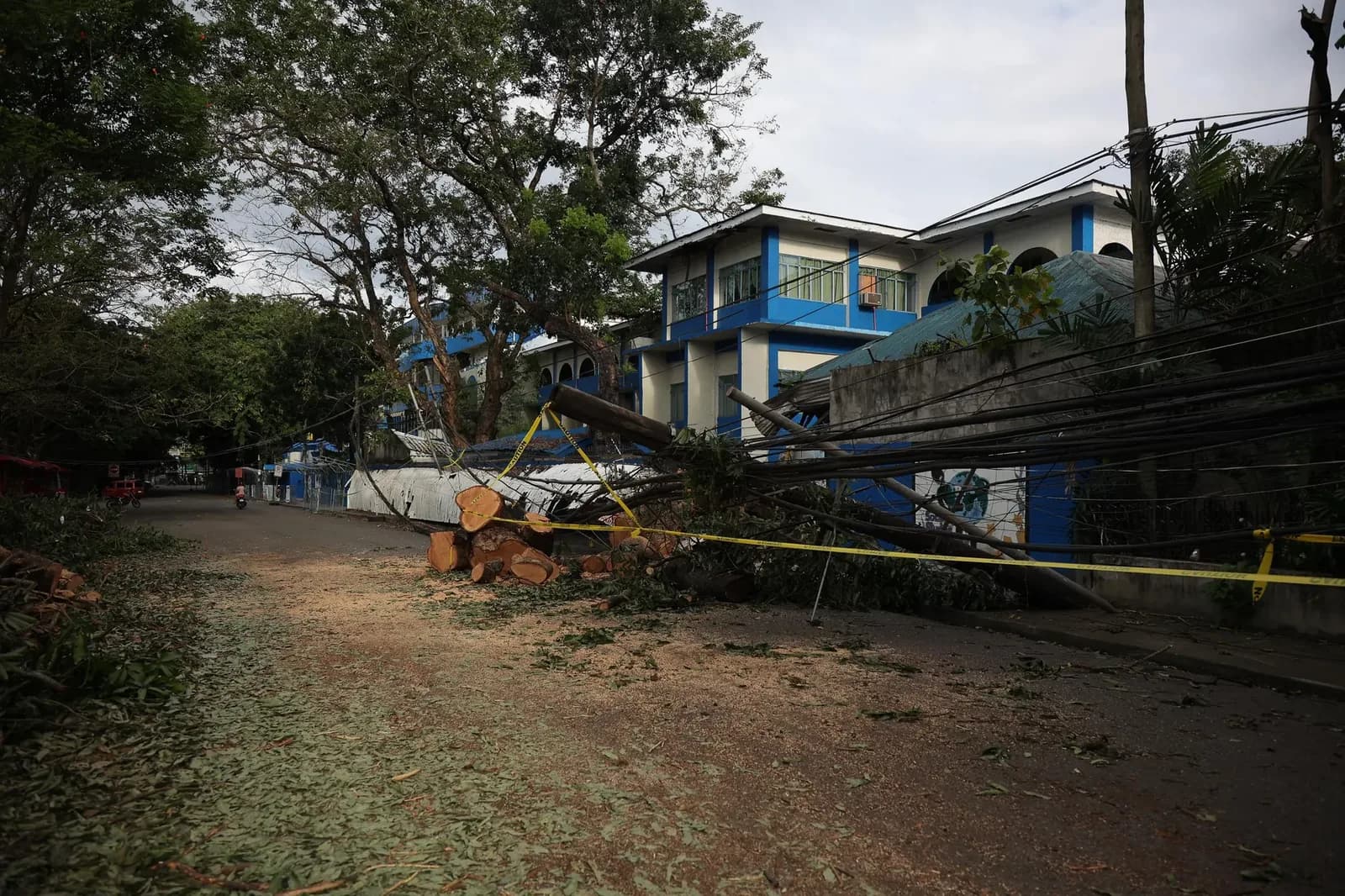
The storm reached San Francisco at roughly 3.40 in the morning, tearing down walls, uprooting trees and stripping roofs from buildings. On Santa Fe street, debris from collapsed structures damaged at least five parked vehicles. One resident told TN that the wind was powerful and then subsided in under ten minutes, while another said he had never seen anything comparable in the 14 years he had lived in the city.[S1][S2]
Eight electrical substations were hit, and roughly 70% of the city initially lost power. The north-east sector ranked among the hardest-hit areas, with damaged homes and streets blocked by fallen trees and branches. The municipality set up a crisis committee and organised joint work with volunteer firefighters, the Córdoba police and the local guard to handle emergencies and clear the affected zones.[S1][S2]
The storm also destroyed much of the historic Centenario stand at Club Sportivo Belgrano and caused serious damage to other facilities at the club, according to reports from the city. No injuries or evacuations were reported in San Francisco itself.[S3]
Calchín Oeste: roofs blown off and power lines down
In Calchín Oeste the wind damaged roofs, trees, warehouses and public spaces and interrupted electricity service. The provincial report described the episode as consistent with a tornado tail, while stressing that the description does not amount to meteorological confirmation that a tornado occurred.[S1][S2]
Three units of volunteer firefighters from Carrilobo worked in the town, and civil protection personnel were sent to assess the consequences. No injuries were reported there, and provincial routes 13 and 10 remained open, according to the bulletin.[S1]
Floods and evacuations in General Cabrera and General Deheza
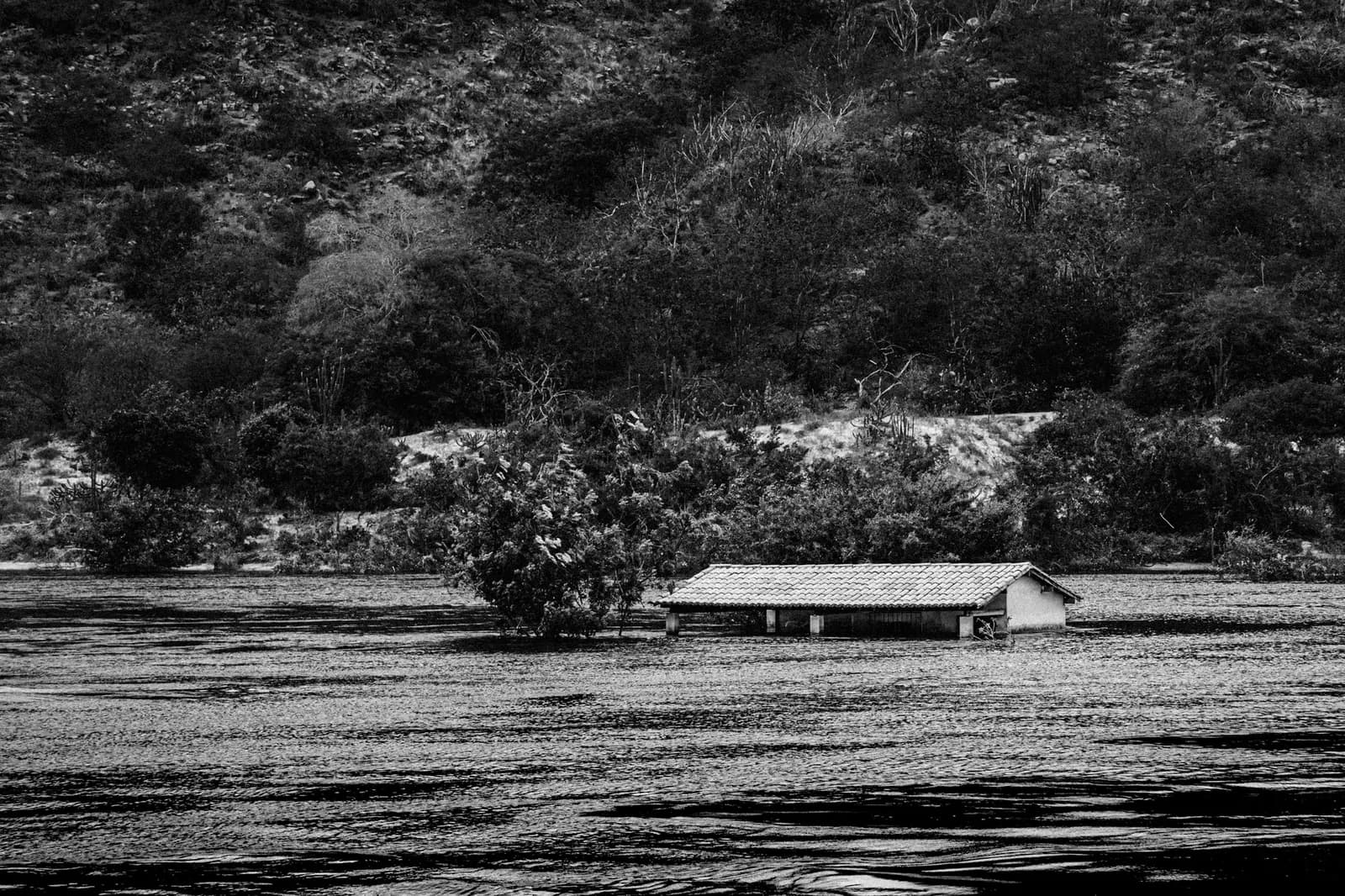
The heaviest consequences of the rainfall appeared in General Cabrera and General Deheza, where residents were evacuated and school activities were suspended. In General Cabrera, overflowing drainage channels pushed water into homes in the Argentino, Pueblo Nuevo and Las Lomitas neighbourhoods. Some people were housed in a school and others in the hospital, while several families moved in with relatives on their own.[S1][S2]
Provincial water resources teams worked in the town to deal with the flooding. In General Deheza, crews also worked to speed drainage and assist affected residents. The two cities topped the rainfall figures reported on Friday, with 117 millimetres accumulated over the previous 24 hours. Other towns also recorded significant totals, including Punta del Agua with 66 millimetres, Chaján with 63 and Las Perdices with 60.2.[S1][S3]
Specialists said the severity was worsened by saturated soil after several bouts of heavy rain during the previous week, according to one report.[S3]
Highway 158 cut and a province-wide response
Water also disrupted traffic on national route 158, where a full closure was ordered at kilometre 260, between Las Perdices and General Deheza, because of water covering the roadway. Traffic was diverted onto provincial routes 11 and E-90 while emergency crews cleared trees and branches.[S1][S3]
By order of governor Martín Llaryora, government secretary general Gustavo Brandán and social development and employment minister Marcos Torres coordinated with mayors on care for affected families and on assessing needs. The provincial operation brings together social development, water resources, risk management and civil protection staff along with firefighters and security forces to assist families, evaluate damage and restore affected services.[S1][S2]