Numbness at a hockey game led to diagnosis
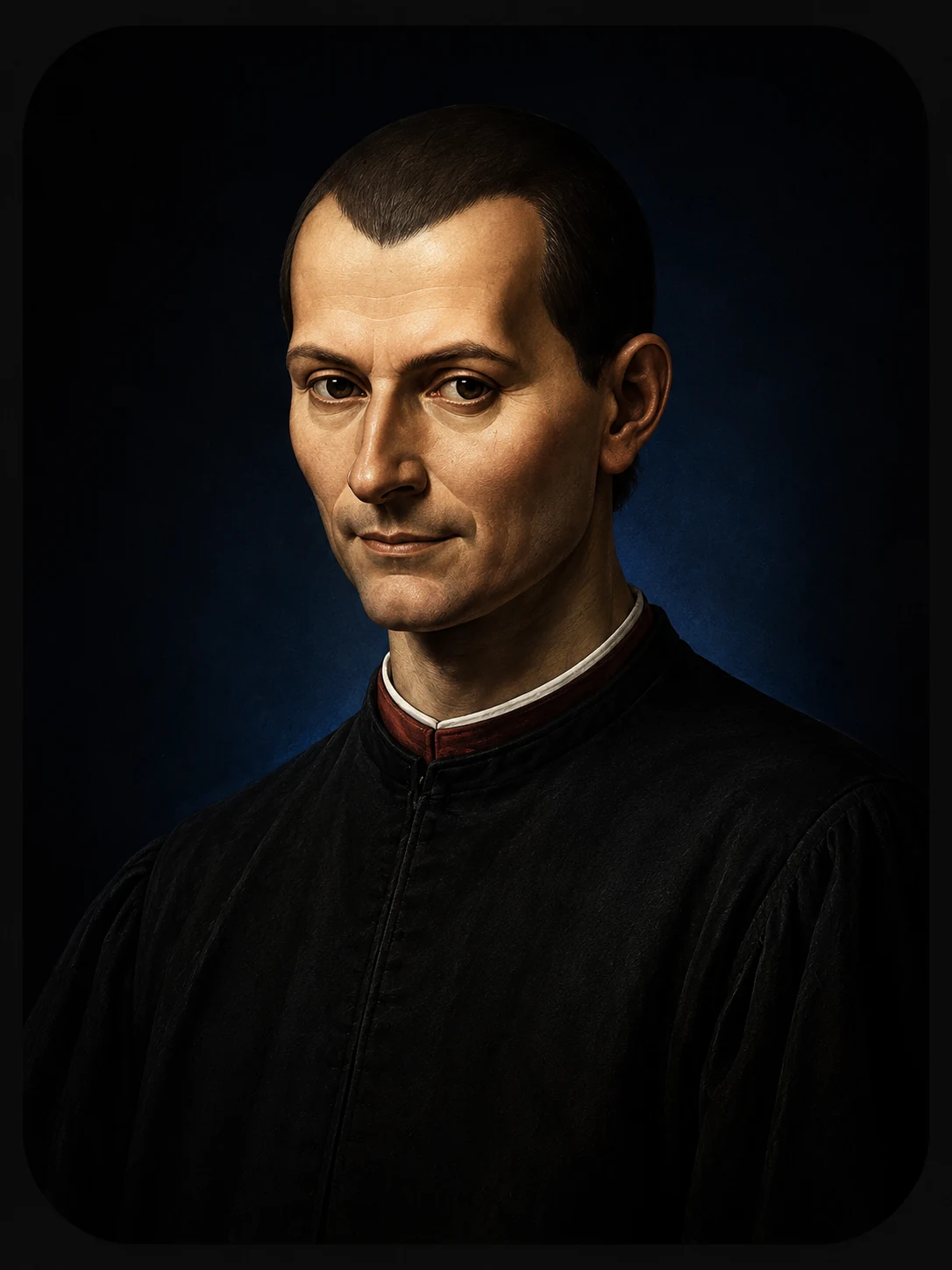
Chris Murphy, the Democratic senator from Connecticut, is receiving hospital care after experiencing a stroke, his office has confirmed. According to Allison Herwitt, his chief of staff, the 53-year-old noticed numbness in one arm on Saturday while watching his son play hockey. A subsequent hospital examination established that he had suffered a stroke.[S1][S2][S3][S4][S5][S6][S7][S8]
Herwitt said the senator has been moved to Johns Hopkins, where clinicians are tracking his condition, and that he is so far responding well to treatment. In her statement she described him as awake and alert, said the doctors were encouraged by how he is progressing, and expressed optimism that he will recover fully.[S1]
A leading voice on gun policy and a possible 2028 contender
Murphy first won a seat in Congress in 2006 and has since become a major presence in the Senate. He has built a reputation as one of the chamber's most visible champions of gun reform, a role that took shape after the Sandy Hook school shooting in 2012. Some observers see him as a potential presidential candidate in 2028, pointing to his forceful criticism of Donald Trump.[S1]
When a Guardian interviewer asked him in 2025 whether he might run for the White House in 2028, Murphy said his voice carried weight because he sought nothing beyond preserving democracy. He argued that anyone already focused on the 2026 or 2028 elections would be acting unwisely, warned that a free and fair contest in 2028 was not assured, and urged everyone to devote their efforts to protecting democracy.[S1]
Campaigning halted as colleagues send support
In the weeks before the stroke, Murphy had been on the campaign trail for the midterms, visiting states such as Michigan and Florida to help candidates in competitive races. Connecticut Lieutenant Governor Susan Bysiewicz said she had been with him on Friday evening as he urged voters energetically to take part in the coming election, and she welcomed news of his improvement while pledging to continue their shared work for the state's residents.[S1]