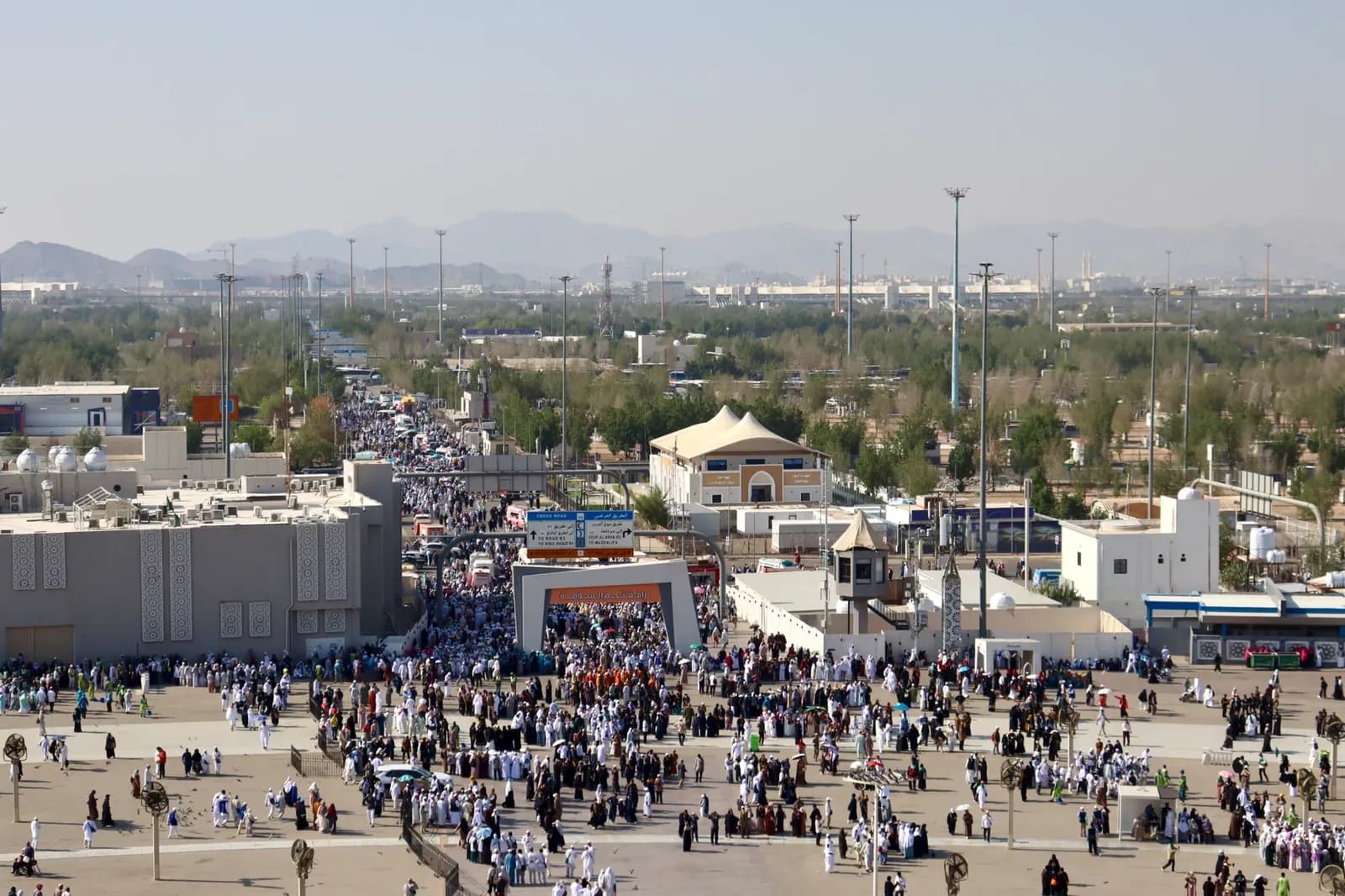
Leaders Sign Pact in Mecca
Saudi Arabia, Turkey, and Pakistan signed a joint defense agreement in Mecca on Friday, marking the first formal military pact among the region's leading Sunni powers. The document was signed by Turkish President Recep Tayyip Erdogan, Saudi Crown Prince Mohammed bin Salman, and Pakistani Prime Minister Shehbaz Sharif. The timing and venue, on the Muslim holy day of prayer in Mecca, underscore the symbolism of the agreement.[S2]
The pact stipulates that an armed attack against any of the three would be regarded as an attack on all, according to a joint statement. However, the statement did not give specifics on the commitments or obligations each had accepted under the 'Mecca Joint Defence Agreement'. It was not clear how far the agreement would bind them to particular military action in each other's defense.[S1]
Defensive Nature and Regional Implications
Turkish Vice President Cevdet Yilmaz said the agreement was not aimed at any specific country. A Turkish official added that it was purely defensive and did not abrogate any existing agreements with other states. Turkey has NATO's second-largest military, Saudi Arabia is one of the world's top oil exporters, and Pakistan is the only nuclear-armed Muslim country.[S1]
Diplomats in the region said there is little doubt the pact is aimed at countering Shiite Iran's influence. However, Rayed Krimly, Saudi deputy minister for public diplomacy, stressed on X that the agreement did not represent an effort to establish a military axis or a sectarian bloc, nor did it constitute a threat to any country in the region.[S2]
Concerns from Israel
Israel is likely to perceive the agreement as a threat due to its deteriorating ties with Turkey, the only country of the three that formally recognizes the Jewish state. Gallia Lindenstrauss, a senior researcher at the Institute for National Security Studies in Israel, said it adds a military component to a political front with a firm anti-Israel stance. She noted it is concerning as Saudi Arabia and Turkey are potentially looking into the nuclear dimension and could benefit from defense cooperation with Pakistan.[S2]
Lindenstrauss added that while the pact does not close the door to Israel-Saudi normalization, it makes it less likely. Israeli-Saudi normalization would likely have brought an improvement in Turkey-Israel relations as a byproduct, which is now also less likely.[S2]