A Capital Short of Power, Water and Heat
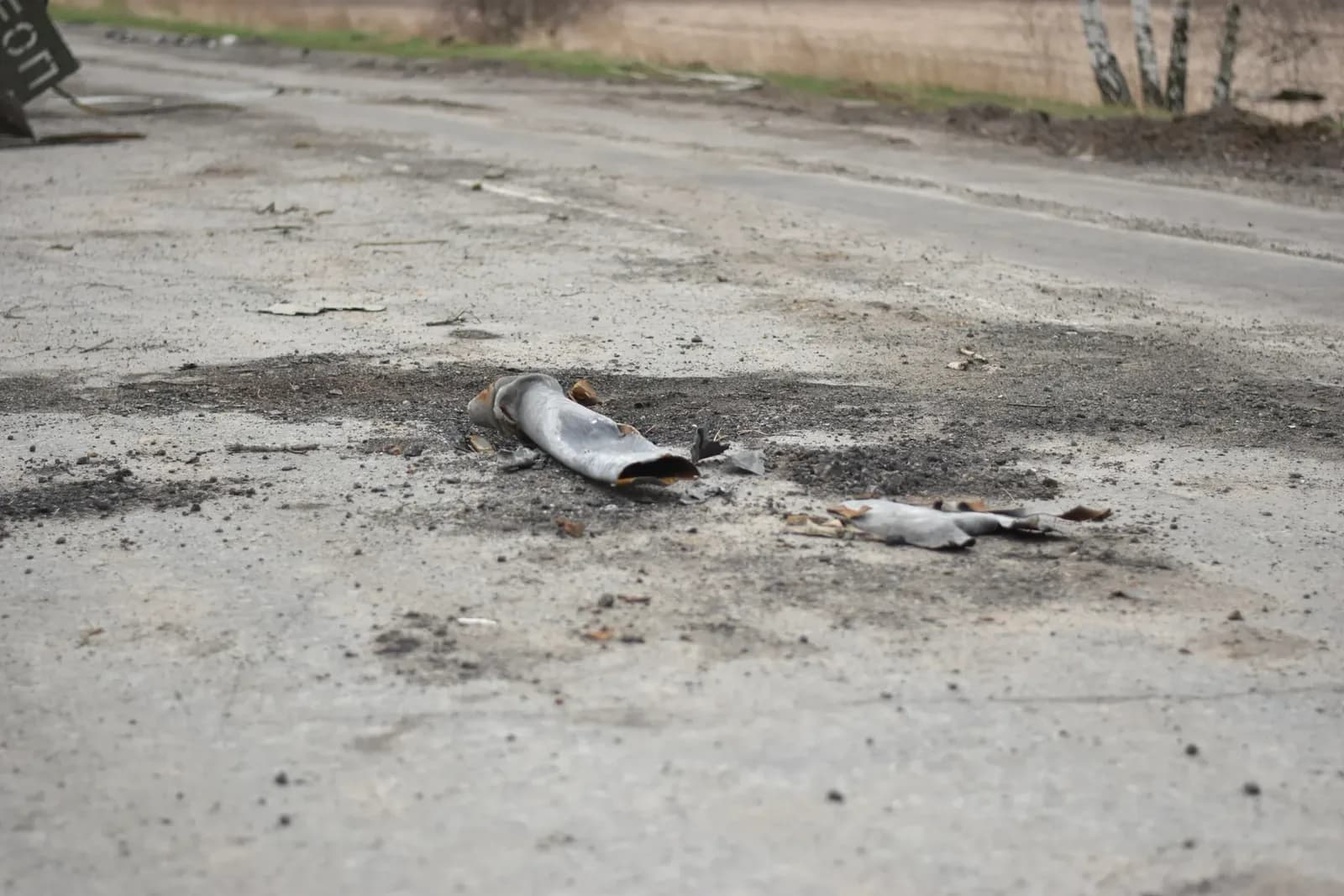
Russia launched a large overnight attack on energy infrastructure in Kyiv and on a bridge crossing the Dnipro River, leaving the Ukrainian capital struggling with electricity, water and heating supplies. President Volodymyr Zelenskyy said Moscow was attempting to push Kyiv and the whole country into darkness, and he described the timing as tied to preparations for peace negotiations scheduled for the coming week.[S1][S2][S3][S5]
According to the Ukrainian president, Russia deployed 172 drones and 36 ballistic missiles against Kyiv and nearby regions. Five people were hurt, among them a girl of 14. Substations in five regions were hit, including one that links two nuclear power plants to the capital, and the Northern Bridge, an important transport route, was shut on Saturday while crews repaired the road surface and power lines.[S1]
The bombardment concluded a punishing week for people in Kyiv, who had already endured full-day electricity cuts and disrupted water supplies. Ukrainian officials argue that the Kremlin's aim is to force civilians to give in through the harsh winter months, and they characterise that strategy as a war crime.[S1]
Talks in Abu Dhabi and a Disputed Blueprint
Negotiators from Russia, Ukraine and the United States are set to gather on Tuesday and Wednesday in Abu Dhabi, the capital of the United Arab Emirates, for discussions intended to bring the war to an end. In comments to CNN, Zelenskyy compared the latest proposal put forward by Jared Kushner, Donald Trump's son-in-law, to Yalta 2.0, invoking the 1945 summit at which Stalin, Roosevelt and Churchill carved up postwar Europe.[S1]
Understand this article deeper
Kushner said in social media posts that the conversations would cover a new security framework for Europe as well as guarantees for Ukraine, which appears to reflect the Kremlin's long-standing insistence that Nato's expansion be rolled back. Trump said on Friday that a big and beautiful agreement involving all of Europe might be near. Before ordering the invasion of Ukraine, Vladimir Putin demanded that Nato return to its pre-1997 posture, before the Baltic states and eastern European and Balkan nations joined.[S1]
Kyiv and its European allies remain highly doubtful. Zelenskyy told CNN that debating European-Russian security infrastructure is neither simple nor safe, and he stressed that Ukraine does not want to be divided by Russia. In his account, Moscow must first stop fighting and Ukraine must receive meaningful security guarantees; only afterward, depending on the answers, could a broader security architecture be examined. Western diplomats say conceding to Russia's demands would in practice mean the end of Nato.[S1]
Pressure on the Front Line and on Washington
Russia's defence ministry said its early Saturday strikes hit energy and transport targets. Since the summer it has sharply increased air attacks on Ukrainian cities while its advances on the front line have stalled. Kyiv says Russia lost 54,000 troops killed or wounded last month, the heaviest monthly toll of the war.[S1]
Zelenskyy urged the US Congress, which the Democrats won in the midterm elections, to devote greater attention to Ukraine amid continuous Russian bombardment. He said his country must not be left on its own and that it counts on stronger bilateral backing from Washington. Coverage of the strikes also highlighted friction between the president and Kyiv's mayor over the response to the blackout.[S1][S3][S5]