A sentence delivered in silence
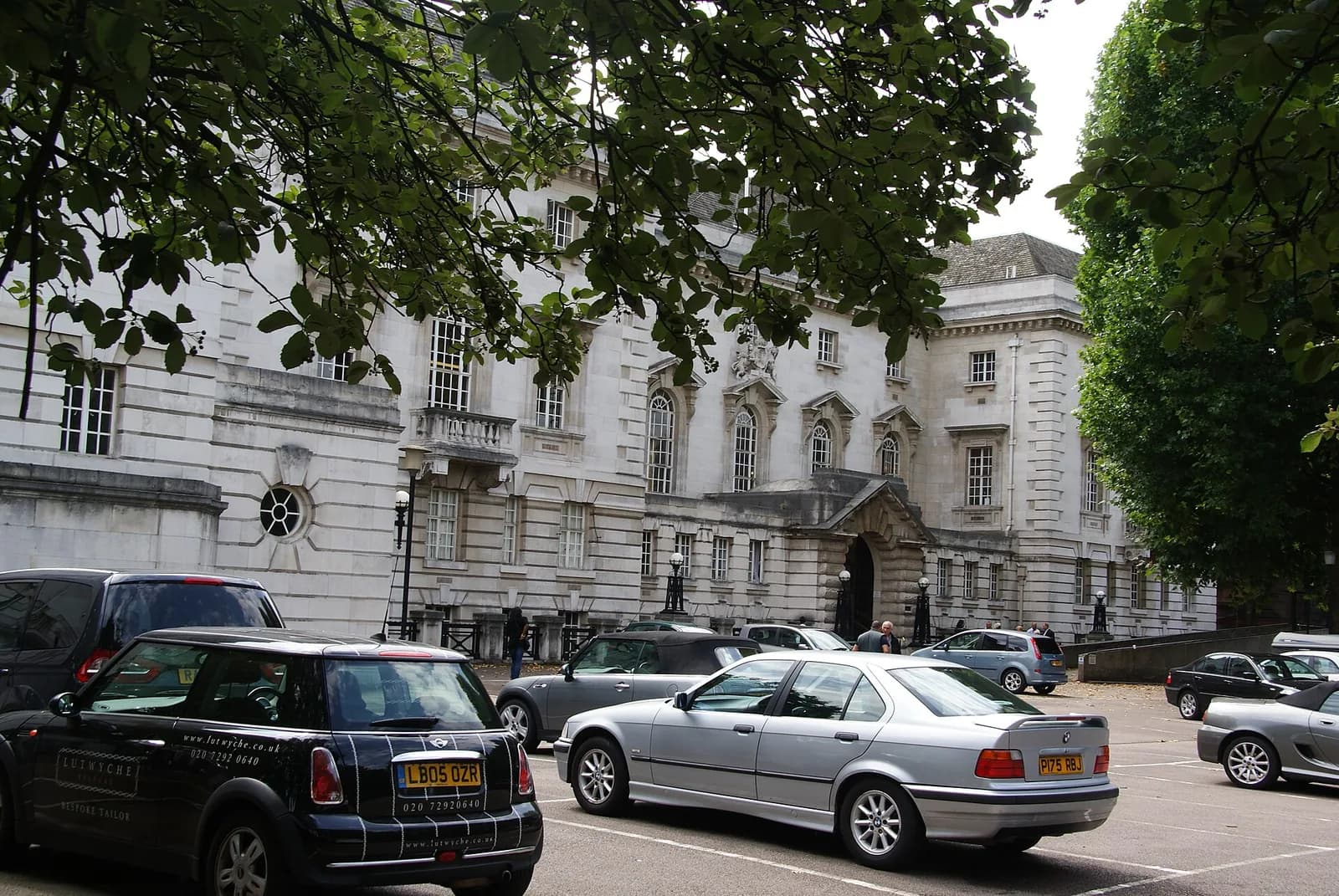
Justice Joel Bennathan handed Russell Brand a prison term of 10 years and six months at Southwark Crown Court on Monday. The courtroom fell completely silent as the judge described the suffering of one victim. He recounted that Brand turned the woman over, took off the condom and, without seeking consent, forced himself into her anus, leaving her in great pain. When she asked him to stop, twice, he answered with a crude remark about wanting her to feel his semen, then ejaculated.[S1]
The judge went on to describe the aftermath: the woman was distraught and in severe pain, and the bed was heavily soiled with blood, sperm and faeces. Brand told her the mess was hers and made her try to clean it up, then left to get ready and went to work. His driver took her to a nearby underground station, apparently with tissues ready for her as she wept. She was left terrified she might have contracted HIV.[S1]
After six complainants testified about attacks spanning 1999 to 2009, the jury found Brand guilty on four of the seven charges he faced. Three of those counts involved frenzied sexual assaults, while the fourth concerned a violent anal rape at his Hampstead residence in 2009 that took place after consensual vaginal intercourse. Throughout, Brand maintained that he had committed no crime. On the stand, he acknowledged that nobody would come near him and that he had been unable to convince anyone to give evidence on his behalf.[S1]
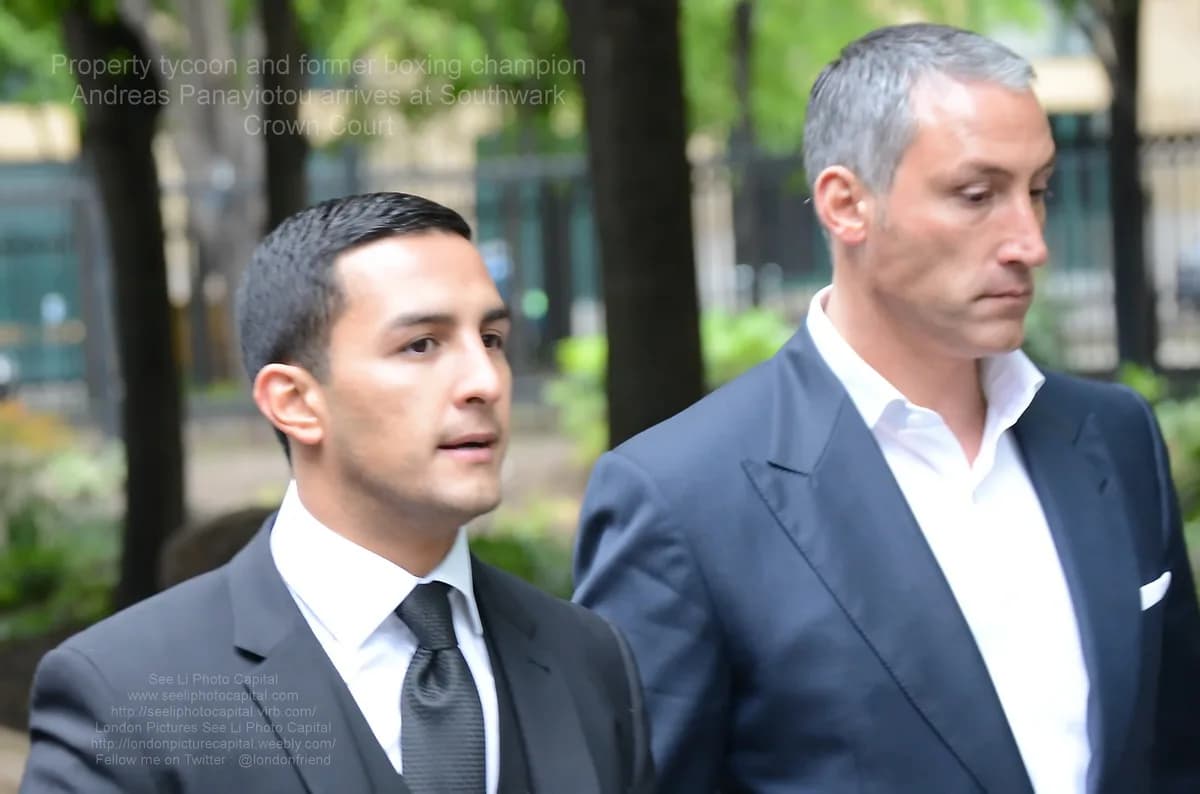
Journalists and paparazzi effectively camped outside the court for the four weeks of the trial, which spawned podcast shows and divided the British public. Court sketches showed the once-worshipped presenter, now a devout Christian, with his head bowed and a rosary moving between his fingers. Brand, formerly a famed womanizer, sell-out stand-up, Hollywood actor in films such as Get Him to the Greek and the ex-husband of Katy Perry, now faces what looks like a seven-year stay at HMP Wandsworth.[S1]
An open secret in the industry
Dorothy Byrne, then head of news and current affairs at Channel 4, recalled that Jemima Goldsmith, Brand's ex-girlfriend, approached her in 2019. Byrne said people asked how she got onto the story and she would answer that somebody had told her about it. Only in the last 48 hours has Byrne been able to name Goldsmith publicly as the whistleblower. The TV producer, who dated Brand for about a year in 2014, posted on social media after the sentencing about her own experience of violence, coercive control and abuse at his hands.[S1]
Understand this article deeper
Byrne said she had not known about Brand, finding him creepy and sleazy, and observed that huge numbers of people in the media industry were aware of what a terrible person he was. Goldsmith told her she thought he should be exposed to protect other women, a conversation Byrne acknowledged was difficult for her and for which she thanked her. That exchange ignited a joint investigation by Channel 4's Dispatches, The Times and The Sunday Times, with reporters Rosamund Urwin and Charlotte Wace leading work that eventually involved interviews with hundreds of people. Byrne left Channel 4 in 2020 and says she was involved only in the early stage.[S1]
Brand made little effort to hide his behaviour: during a 2006 stand-up tour he devoted a lengthy segment to telling the audience about his tastes. A former friend who testified for the prosecution recalled Brand boasting of a goal to sleep with 5,000 women. Plenty of well-known figures on the British comedy scene had cut ties with him years earlier. Jonathan Ross released a statement this week expressing horror at the crimes and insisting he had truly known nothing of the conduct, while hundreds of others have stayed silent and presumably will continue to.[S1]
Questions the verdict leaves open
Now that Brand has started serving his sentence, a number of questions are still open. Was his lurid conduct genuinely an open secret throughout British television, and why did so many of the allegations involve workplace incidents? Why did his defence team, headed by barrister Ian Winter, contend that journalists had poisoned the well of justice by publishing investigations into his behaviour? How did a predator whose brazenness was obvious in every attack of which he was convicted manage to avoid detection for at least 17 years? And what signal does the conviction send to others who still behave as he did?[S1]
Two lawyers specialising in sexual assault, a University of Warwick academic who studies work, pay and insecurity in the creative industries, and the woman who led the Channel 4 and Sunday Times investigations that prompted a police inquiry spoke with The Hollywood Reporter about how the conviction has reshaped British entertainment. They described an industry built on freelancers that let Brand escape consequences, how women were drawn into private spaces with him under the cover of flamboyant comedy, and the years of reporting that helped bring a celebrity rapist to justice.[S1]