A historic day for Claypole
The Don Orione Cottolengo, in Claypole, south of Greater Buenos Aires, became the epicenter of Pope Leo XIV's tour this Monday. For the Church, the stop is the main point of the visit because it addresses one of its central concerns: the most forgotten people in society. For the residents of this locality in the Almirante Brown district, it is a historic day, and since the early hours the surroundings of the institution filled with faithful hoping to see the pontiff.[S1][S3]
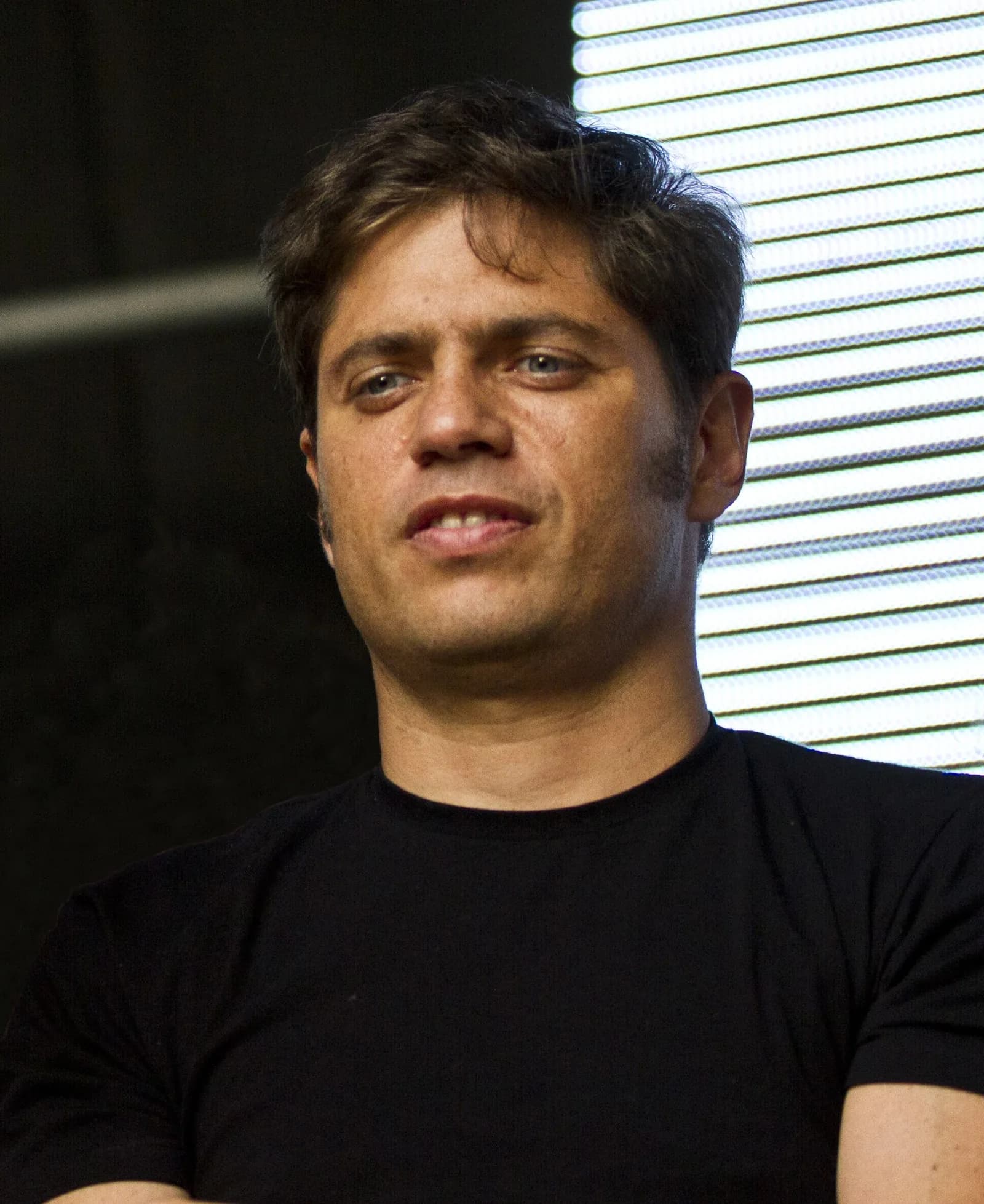
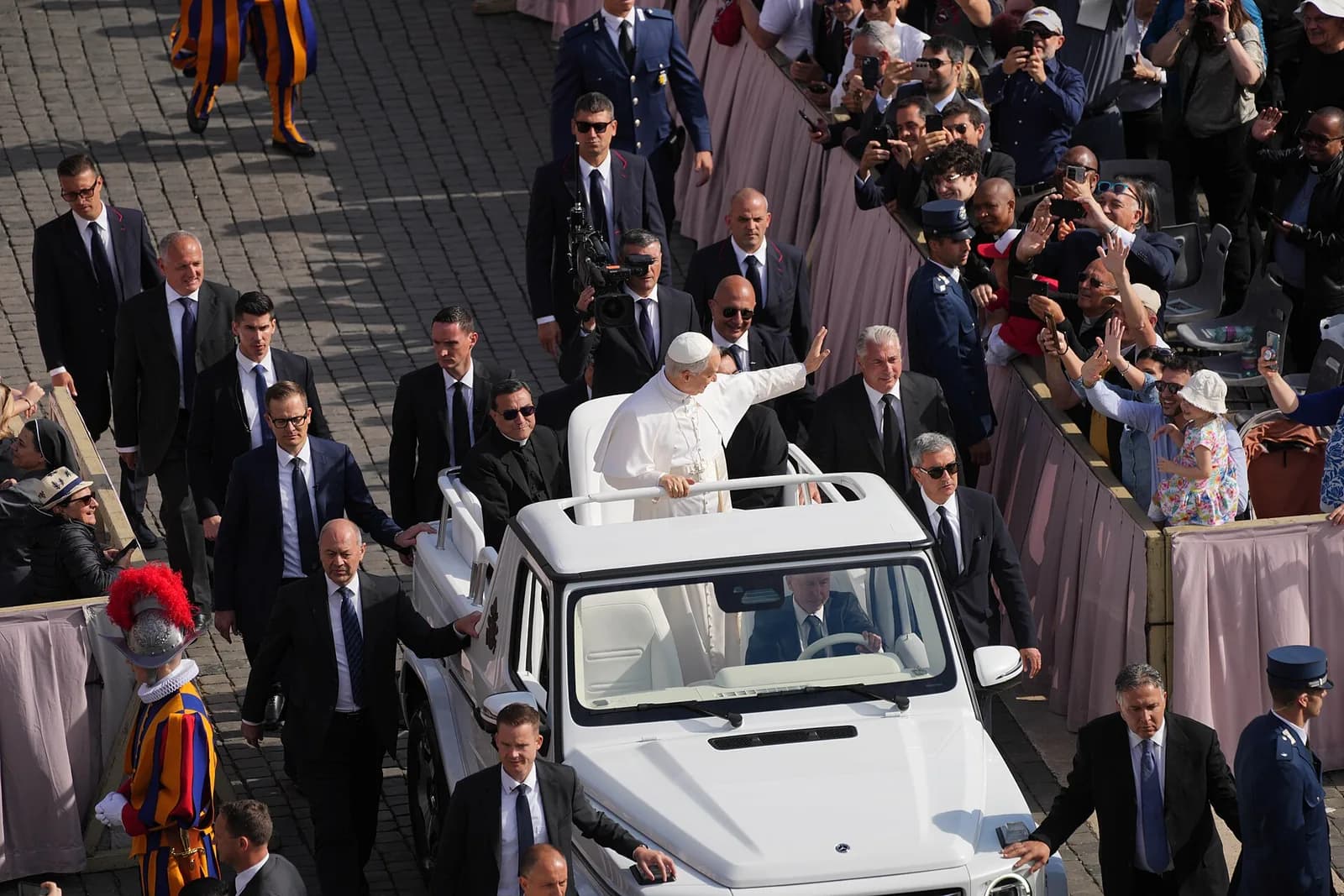
The pope arrived in the capsule vehicle and, about 700 meters from the entrance, boarded the popemobile to enter the grounds. Along the tree-lined street, neighbors and guests who had obtained the coveted wristband cheered him with chants of Argentina and waved Argentine and papal flags, while Leo greeted them with a smile and a wave. When he stepped down from the popemobile, the Buenos Aires governor, Axel Kicillof, received him together with provincial and municipal officials and authorities of the Cottolengo.[S1][S2]
Before heading to the chapel where the heart of Don Orione is kept and where the main activity was to take place, the pontiff greeted residents one by one in a moment of great emotion. The blocks around the small city that the Work of Divine Providence maintains here woke up completely fenced off by a strong security operation coordinated by the Police and the Gendarmerie. Only neighbors with special permits and faithful with exclusive bracelets, handed out at dawn, could enter the perimeter.[S1]
Faith, fences and a divided neighborhood
Hundreds of people who failed to obtain the passes walked ceaselessly from one side to the other in search of a visual gap. Marcela, a 60-year-old neighbor, said she had arrived at 5:30 and had been trying to get in since 6, desperate to see the pope because she feels he can help her with her personal problems. While security forces guarded every corner and local residents had to prove their identity to return home, the human tide kept advancing, with entire families walking block after block under the sun.[S1]
The heart of Claypole was literally split in two on the Lacaze avenue bridge, exactly where the Municipality installed giant screens. On one side of the closure gathered neighbors, street vendors and most of the journalists covering the visit; on the other was the exclusive sector reserved for special guests summoned directly by the Church. That area was divided into courtyards according to the color of the access bracelet for accredited attendees, including neighborhood clubs, community associations and residents chosen in one way or another by the episcopal authorities.[S1]
While the preferential sector looked completely full of accredited attendees, the space set aside for the press and neighbors showed a smaller concentration. With the streets blocked and a rigorous fence, the crowd kept gathering to wait to see the Supreme Pontiff on the screens. One local summed up the atmosphere by saying that the whole neighborhood was taken over by faith and by the operation, and that it was impossible to take a step without being asked for explanations.[S1]
A home of more than 90 years
The Little Cottolengo Don Orione is located at 3900 Lacaze avenue, in Claypole, Almirante Brown district, Buenos Aires province. Its grounds cover approximately 50 hectares and include internal streets, buildings, green spaces, a church and various facilities for the daily life of its residents. Currently about 415 people with different types of disabilities, mostly intellectual, live there, each receiving support according to their needs in adapted spaces.[S3]
The institution is not only a residence but also offers educational, therapeutic, recreational and training programs. Among its activities are art and expression workshops with painting, music, theater and body expression; rehabilitation and professional care with health services and interdisciplinary support; garden and kitchen projects to develop skills and foster autonomy; adult literacy and job training; and adapted sports, outings and celebrations.[S3]
Its history dates back to April 28, 1935, when San Luis Orione laid the foundation stone in what was then a rural area far from the main urban centers. The initiative sought to create a space to receive and accompany people with disabilities and in vulnerable situations, especially those without family support. The official inauguration took place on May 21, 1936, and in its early years the establishment had six pavilions and a church; over time it added new homes, schools, workshops and care spaces.[S3][S4]
The name Cottolengo honors San José Benito Cottolengo, an Italian priest who in 1832 founded in Turin a house to receive people with disabilities. The establishment is part of a network of 14 Little Cottolengos distributed across Argentina, Uruguay and Paraguay, which together provide lodging and assistance to about 1,300 people. In 1937 Don Orione expressed his wish that his ashes rest on the grounds, which he considered his second homeland, and since August 29, 2000 the incorrupt heart of the saint has been kept in the sanctuary inside the central chapel.[S4]
The pope's tour inside the institution
At the Cottolengo, where the encounter was private, the pope planned to walk through the park of the institution, visiting different houses and workshops of the day center. He was also scheduled to tour a pavilion with bedridden residents and to pray before the heart of Luis Orione. The superior of the institute received the Holy Father together with the entire service community: workers, professionals, volunteers and the residents themselves, as well as those who attend the special school and the therapeutic educational center.[S2]
The pontiff reached Claypole after an extensive journey that began at the Apostolic Nunciature in Recoleta and crossed the districts of Lomas de Zamora and Esteban Echeverría until entering Almirante Brown. Among the neighbors who had a place in the pen set up before the entrance to the building was Héctor El Negro Enrique, world champion with the Argentine national team in 1986, who said those present were proud to receive the pope and stressed the work done at the home, which he had visited and walked through.[S1][S2]
Francisco Marcovich, a member of the Malvinas Veterans Center Puerto Argentino of Almirante Brown, was also waiting near the Cottolengo and considered it very important that someone with so much peace should come to the neighborhood. Between the frustration caused by the strict filters and the collective emotion, the atmosphere vibrated in a vigil as massive as it was chaotic, with the hope intact of catching a glimpse of the popemobile's passage.[S1]