Conflicting signals drive a choppy session
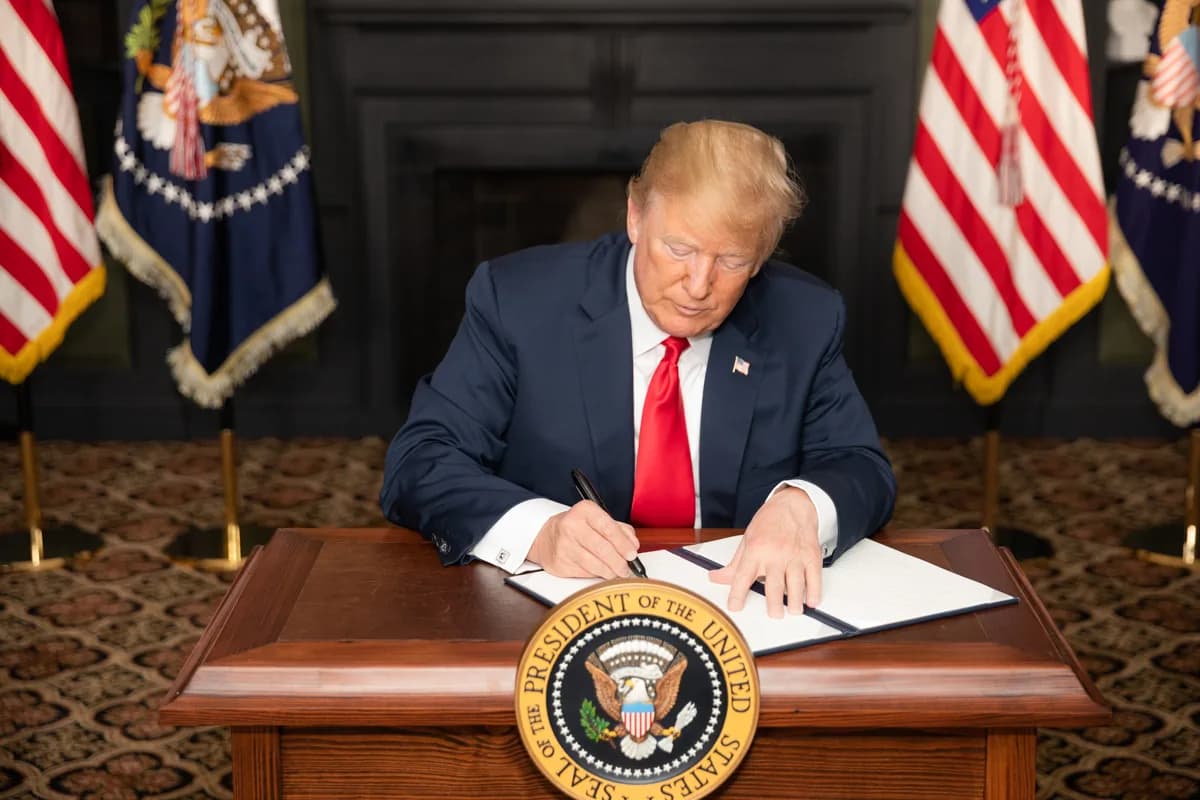
Oil prices swung through a volatile trading day as traders tried to read Washington's intentions toward Tehran. Brent's front-month contract, due to expire on Friday, October 30, settled at roughly $115 a barrel. The benchmark then erased its losses after settlement once The Wall Street Journal reported that a senior US commander in the Middle East had laid out military options for Iran to President Donald Trump on Thursday, attributing the account to US officials and people directly familiar with the meeting.[S1]
Trump has repeatedly hinted that he could restart the military campaign against Tehran once the US midterms are over, potentially working alongside Israel. According to the Associated Press, which cited unnamed diplomats, US officials have advised a number of Middle Eastern governments and regional partners to brace for possible renewed action after voting concludes. That reporting restored some of the risk premium tied to fresh US strikes, a premium that had eroded as diplomatic efforts appeared to gain ground.[S1]
Diplomacy continues alongside the military talk
Contacts between the two governments have not stopped. Iran's semi-official Tasnim news agency reported that US Vice-President JD Vance reached out to Mohsen Rezaee, secretary of Iran's top security body, and that Tehran received the message. A senior Iranian negotiator indicated that the country would not alter the terms of its peace proposal. Foreign Minister Abbas Araghchi had said earlier that Tehran was still giving diplomacy a chance.[S1]
Understand this article deeper
The competing reports arrive days before US midterm elections and as markets await the outcome of Israel's vote this week. Both contests will shape the future of a war that has upended global energy markets and pushed crude up more than 85 percent so far in 2026. Brent has gained more than 10 percent in October and touched its highest level since April, adding pressure on consumers and complicating the task of central bankers trying to keep inflation in check.[S1]
Refined products and the wider supply picture
The Federal Reserve chose this week to leave interest rates unchanged, though traders anticipate a return to tightening in December. Prices for refined products have risen even more sharply, with the Middle East war and mounting Ukrainian attacks on Russian refineries particularly disrupting diesel flows. Reuters reported, citing two unnamed people familiar with the matter, that Russia will prolong its diesel export ban through the end of 2026.[S1]
Even so, pressure in some product markets looked like it might be letting up. The commodity's European futures, which have more than doubled during 2026, edged lower after China issued additional fuel export quotas that allow bigger shipments. Roland Lescure, France's economy minister, said Europe would draw down 42 million barrels of oil reserves over the next three months, half of that diesel, as part of its commitment to steady prices. Scott Shelton, an energy specialist at TP ICAP Group, called diesel very weak and said it was pulling the wider market down, adding that with China's extra quotas and greater output from other export hubs the crisis may be finished.[S1]