Background of the controversy
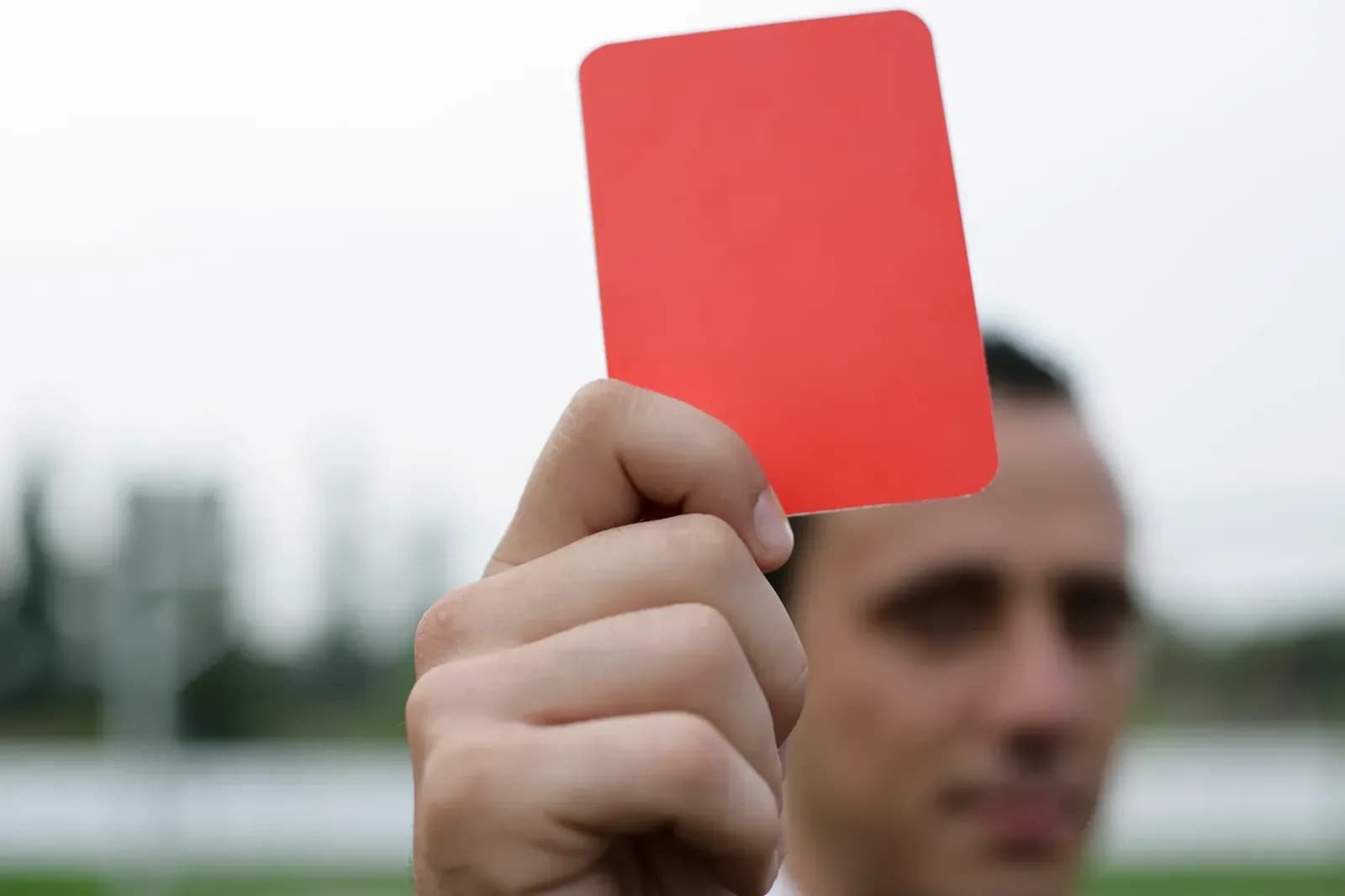
United States forward Folarin Balogun was shown a straight red card during a World Cup last-32 victory over Bosnia-Herzegovina, which should have resulted in an automatic one-match ban for the next tie against Belgium. However, after an intervention by US President Donald Trump, who called FIFA president Gianni Infantino, the ban was suspended for 12 months, allowing Balogun to play. FIFA cited a rule permitting suspended punishments but offered no further explanation, triggering widespread criticism.[S1][S2]
Trump later acknowledged the call, stating he asked for a review because he did not think it was a foul, and praised FIFA's decision. Balogun admitted the situation put extra pressure on the team. Belgium defeated the United States 4-1, with players mocking Trump's dance moves. FIFA later ruled Belgium's request for an explanation as 'inadmissible'.[S1][S2][S4]
Norway's planned complaint
Lise Klaveness, president of the Norwegian Football Federation (NFF), announced plans to formally complain to FIFA's Ethics Committee over the handling of the Balogun case. She stated she would seek board approval to add the incident to an earlier ethical complaint regarding FIFA's decision to award the inaugural Peace Prize to President Trump. Klaveness described the Balogun affair as 'so serious and so worrying' that it could help others speak out.[S2][S3][S4]
Klaveness asserted that the verdict was 'influenced from external forces and did not have the proper process'. She called for FIFA leadership to admit the error, warning that bending rules under pressure from state leaders sets a dangerous precedent. 'When you bend a rule like this, you're on a slippery slope that will put the whole game at risk,' she told The Times.[S4][S5][S6]
The NFF president stressed that the issue cannot be ignored. 'To try to sweep this under the carpet now will not fly,' she said, noting that coaches, players, and fans perceived the intervention as too close to the game. The NFF has already submitted a complaint about the Peace Prize, and the Balogun case would fall under the same ethical concerns. Klaveness, a former Norway international and lawyer, has been NFF president since 2022.[S3][S6]
Wider implications and reactions
According to reports, the decision to suspend Balogun's ban was taken solely by the chairman of FIFA's Disciplinary Committee, Mohammad al-Kamali, without consulting other committee members. Klaveness criticized this lack of collective decision-making, especially when an external powerful voice was involved, calling it a mistake.[S5][S6]
The Royal Belgian Football Federation expressed deep concern and stated it would defend the fundamental principles of ethics and fair competition. UEFA described FIFA's action as crossing a red line, while the International Olympic Committee indicated it could investigate President Infantino for potential breaches of the Olympic charter regarding political neutrality.[S1][S2]
The NFF's previous complaint alleged repeated breaches of FIFA's duty of political neutrality by Infantino. The IOC charter states that members must not accept mandates from governments that interfere with their freedom. The IOC stated it would communicate sanctions only if its ethics commission decides to impose them.[S1][S2]