A sweeping reprieve in the nation's most populous state
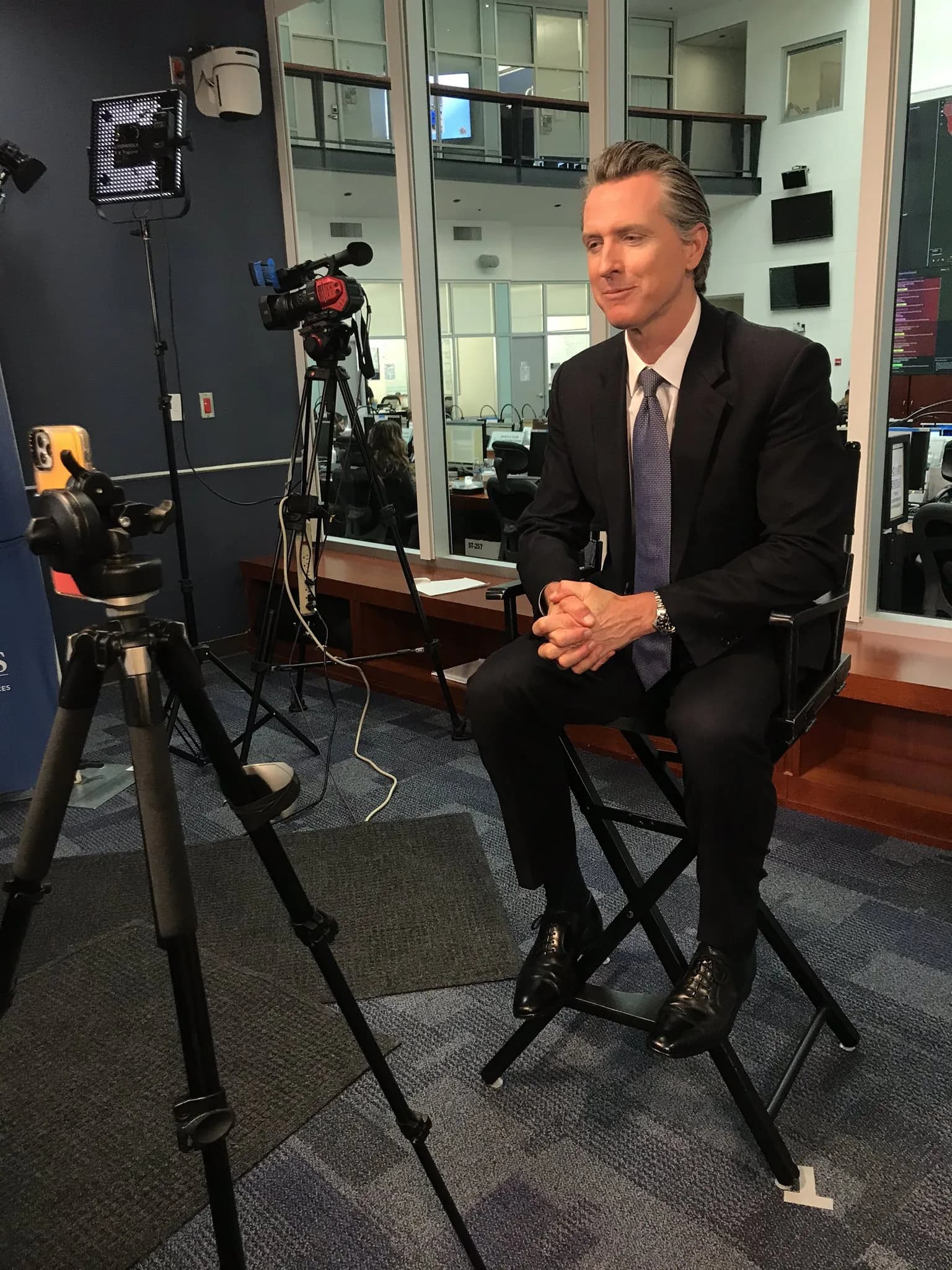
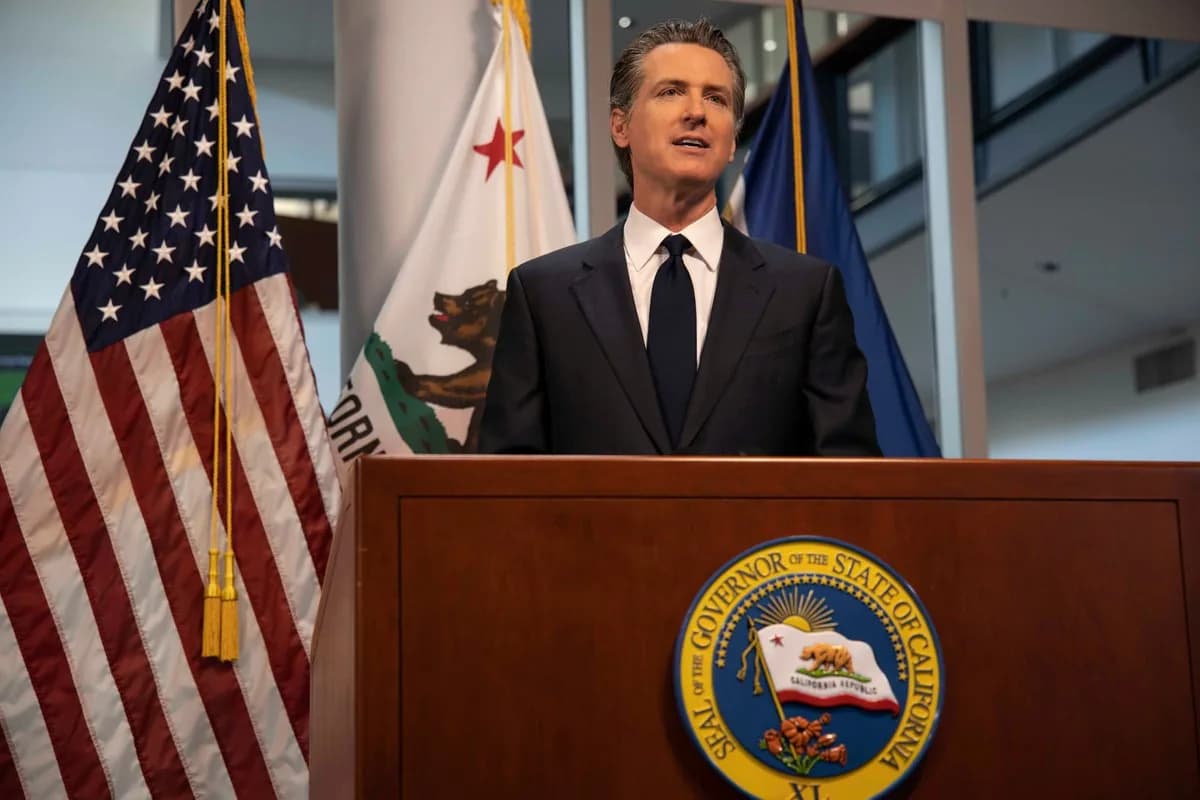
California Governor Gavin Newsom, a Democrat, announced on Thursday that he was canceling the death sentences of 548 people held in the state's prison system. The move is the largest of its kind in United States history and covers about 25 percent of everyone on death rows across the country. Those affected will instead serve life terms without the chance of parole.[S1][S2][S3][S4][S5]
In a statement explaining his reasoning, Newsom said he holds a moral objection to capital punishment. He argued that state-sanctioned killing conflicts with California's values, weakens the foundations of the legal system and diminishes society as a whole. He also said executions cannot be carried out in an imperfect judicial system while the state still claims to honor justice and human dignity.[S1]
The governor described the step as among the hardest calls of his career. He said his doubt was not about whether California needed the decision, but about the distress it could revive for relatives of murder victims. California has not carried out an execution in more than two decades.[S1]
Where the country and the state stand
Of the 50 US states, 23 have abolished the death penalty and six operate under a formal moratorium on the practice, according to the report. California's death row holds widely known offenders, among them the serial killer Charles Ng, who raped, tortured and killed between eleven and 25 people during the 1980s, and Cary Stayner, who killed four women in 1999.[S1]
A political future beyond Sacramento
Newsom leaves the governorship in 2027, when his second term ends in the state with the largest GDP in the country, and is expected to focus on his pre-campaign for the presidency. He is seen as a strong Democratic contender for the White House in 2028. His chosen successor, Xavier Becerra, won election to the post and will become the first person of Latin American origin to hold it.[S1]