A ten-minute assembly and a hybrid vote
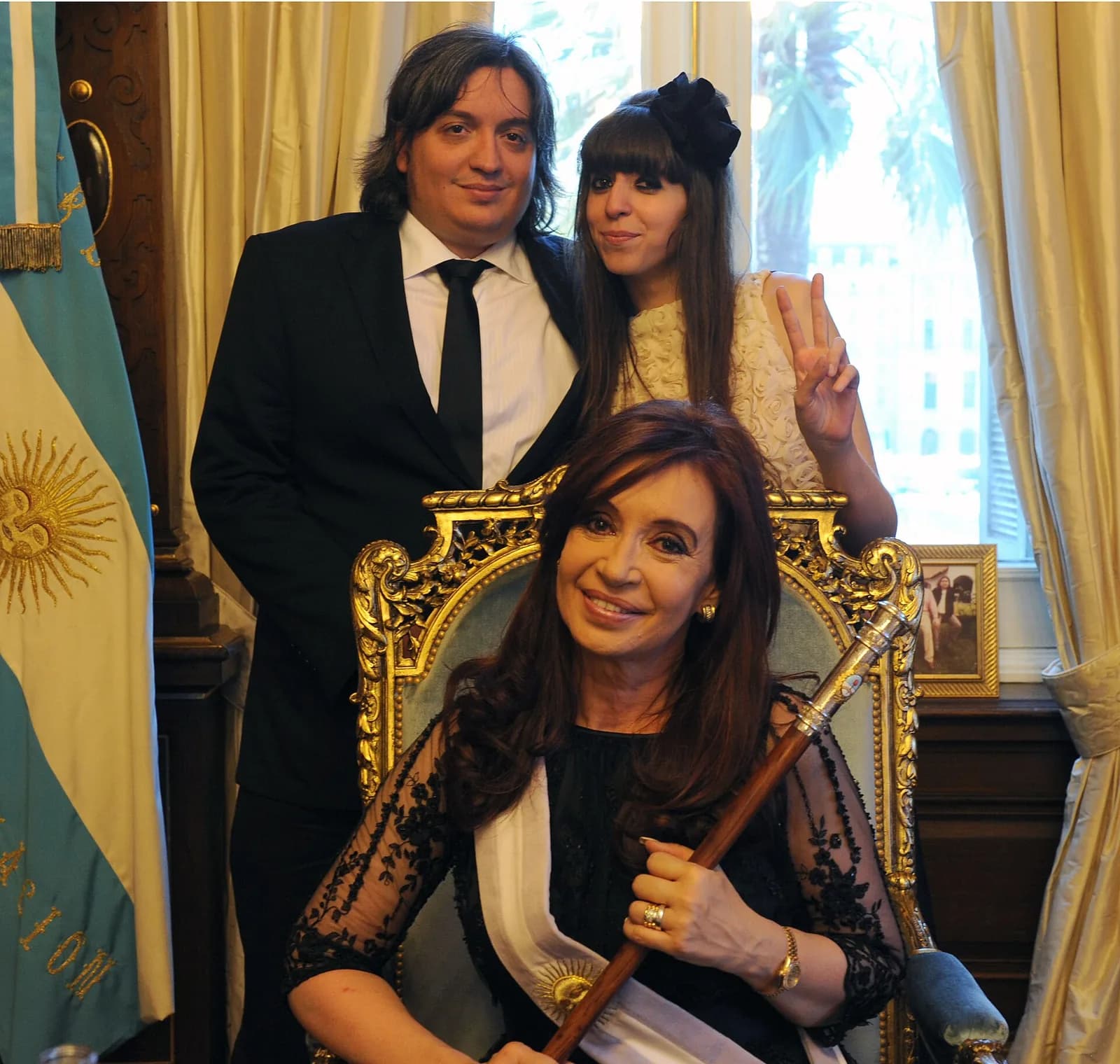
The Buenos Aires province branch of the Justicialist Party installed national deputy Máximo Kirchner as head of its party congress on Saturday, honoring a political understanding reached with the camp of Governor Axel Kicillof to reorganize the provincial Peronist leadership. The session began at ten in the morning at the party headquarters on calle 54, between 6 and 7, in La Plata, and lasted roughly ten minutes.[S1][S2][S3]
The format was hybrid: the 912 congress delegates took part remotely through the party's official application, while representatives gathered at local party offices across the province to follow the meeting and cast their ballots. Kirchner attended in person at the provincial capital building. Kicillof, who chairs the Provincial Council, stayed away, as did the other members of that body in their capacity as councilors.[S1][S3]
Gustavo Menéndez, the mayor of Merlo, opened the assembly as provisional president of the congress, put Kirchner's name forward and submitted the appointment to a vote of those present. The governor's absence meant no fresh joint photograph of the two camps that have clashed over the party's direction in recent months, though Kicillof allies such as Buenos Aires Government Minister Carlos Bianco took part as congress delegates.[S1][S3]
How the party posts were divided
The four vice presidencies were split between the two sides. Pablo Javier Zurro, mayor of Pehuajó, took the first; Bianco, a close Kicillof reference, the second; Cristina Álvarez Rodríguez, the governor's chief of advisers, the third; and Federico Achával, mayor of Pilar, the fourth. Jorge Ferraresi, a former Avellaneda mayor aligned with Kicillof, became secretary general, with Ezeiza mayor Gastón Granados as deputy.[S1][S3]
Daniela Vilar, the provincial environment minister, took the administrative secretariat with Carlos Eduardo Balor as deputy, while Lucía Portos headed the records secretariat with Lauro Grande as deputy. Julio Pereyra, a former Florencio Varela mayor and Banco Provincia director, was given the legislative action secretariat, seconded by Edgardo Depetri. Nine seats on the vocal bench went to Adrián Grana, Macarena Rusconi, Bernarda Meglia, Patricia Ibáñez, Micaela Ortiz, Evelyn Díaz, Julieta Garello, Marina Ocampo and Daiana Martínez Barrientos.[S1][S3]
The congress also named the four delegates Buenos Aires will send to the party's national congress: Kicillof, Vice Governor Verónica Magario, Teresa García and Kirchner. The governor's inclusion gives him a direct seat in the federal party's top body as Peronism reorganizes ahead of 2027. Leonardo Nardini, mayor of Malvinas Argentinas, will chair the electoral board, a body central to controlling future internal votes.[S1][S2][S3]
Facundo Loccoco will lead the disciplinary tribunal, alongside Marcelo Fisicaro, Alejandro Castellanos, Aldana Sillana, Karina Pinto, Bianca Bertotto, Erica Pinto and Mirta Andrada. Gabriel Peralta heads the oversight commission, which also includes Claudio Americe, Hernán Ralinqueo, Martín Di Bella, Débora Indarte and Micaela Elizabeth Carrara. The electoral board's other members include Andrés Watson, Juan Horacio Zabaleta, Nicolás Mantegazza, Mariano Ríos Ordóñez, Juan Pablo García, Jorge Carpinetti, Florencia Lampreabe, Marina Moretti, Mailén Vélez, Ayelén Borda, María Paz Bertero and Malena Armendaris Arce.[S1]
Weeks of friction before the deal
The handover followed weeks of negotiation between the Kicillof camp and La Cámpora over the party's internal organization and its electoral strategy. Under the split of duties, Kicillof kept the Provincial Council, which he took over on April 24, while Kirchner received the congress, the body that approves the electoral platform and authorizes alliances. The two leaders met at the provincial government headquarters the week before the session to move the agreement forward.[S1][S2]
The understanding had been settled in early November, when the two sides reached a truce to prevent the internal dispute from escalating. The provincial council confirmed the congress call the previous Wednesday and settled organizational details, also naming Buenos Aires Labor Minister Walter Correa as secretary of union affairs. The council had already agreed to Kirchner's appointment at its November 4 meeting.[S1][S2][S3]
Friction had surfaced earlier. In mid-October a planning meeting was suspended after differences between Bianco and Facundo Tignanelli, head of the Fuerza Patria bloc in the Buenos Aires Chamber of Deputies, with Kirchnerists complaining that previously agreed political commitments had not been honored. On October 22, Kicillof and Kirchner met Sergio Massa at the Casa de La Pampa in Buenos Aires to weigh Peronism's stance on the national government's plan to change the electoral system.[S1]
The dispute also touched candidate selection. Some sectors argued for keeping open, simultaneous and mandatory primaries as the way to settle internal contests, while others questioned letting party leaderships decide candidacies by agreement. The November council meeting produced the institutional understanding, confirming Kirchner at the congress and Nardini at the electoral board.[S2]