Marape's admission to Xi in Shenzhen
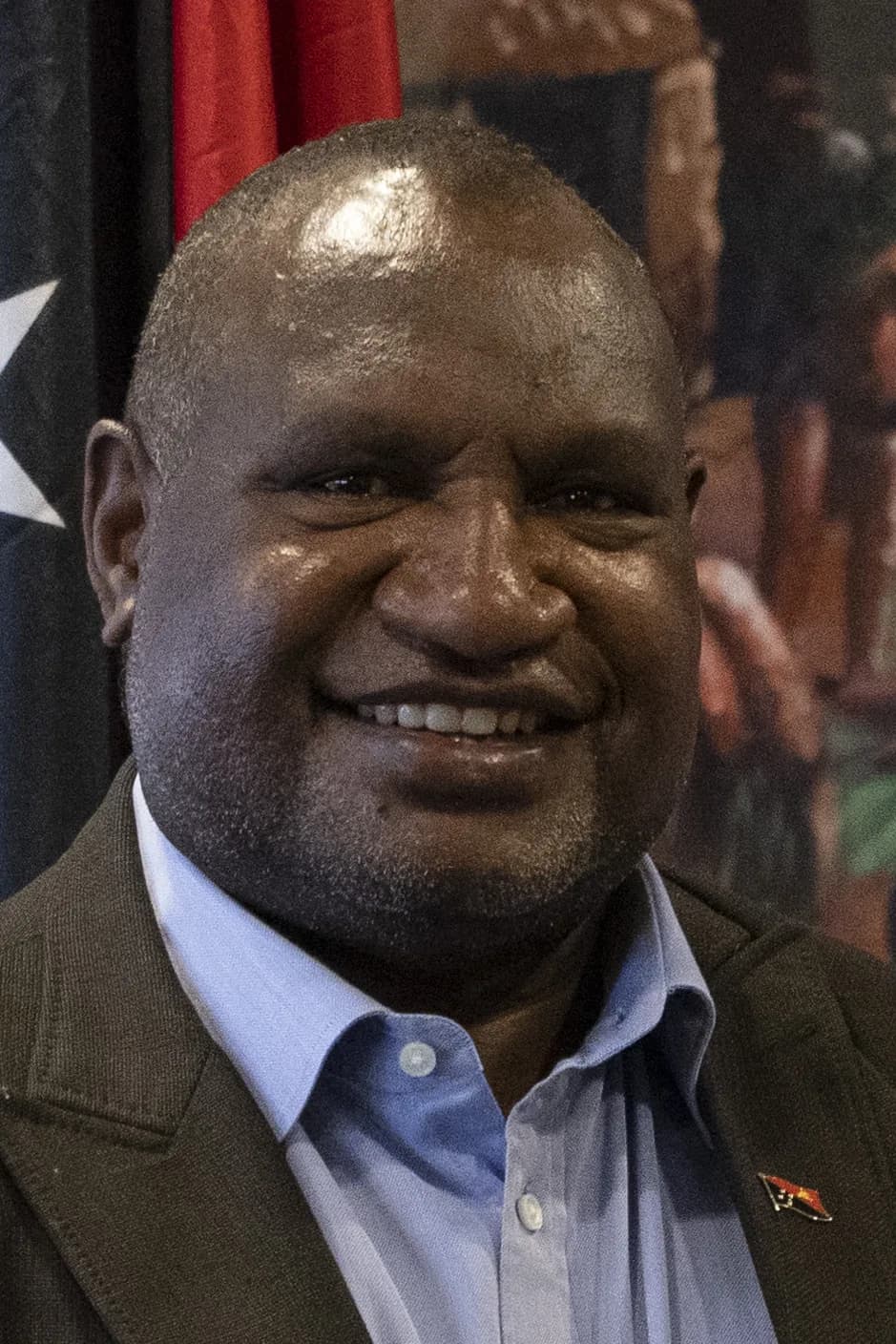
Meeting Chinese president Xi Jinping in Shenzhen ahead of the APEC summit on Tuesday, Papua New Guinea's prime minister James Marape said the closure of Taiwan's office in his country had not been straightforward. He told Xi that he had encountered resistance at home, noting that his government also maintains relations with numerous other nations, but that it had held firm. Marape did not specify what the internal difficulties were.[S1][S2][S3]
Marape framed the move as support for Beijing's reunification goals, saying that Chinese prosperity would be shared prosperity. Xi responded by thanking the prime minister, stating that under Marape's leadership Papua New Guinea had actively built ties with China and had firmly upheld the one China principle. Marape also said China's sovereignty must be fully respected, alongside respect for his own country's sovereignty.[S1]
Taiwan's withdrawal and the regional contest
Taiwan announced in early November that it would close its representative office in Papua New Guinea, which had functioned as a de facto embassy, and would halt purchases of liquefied natural gas from the country. Taipei attributed the decision to pressure from Beijing. Papua New Guinea had briefly recognised Taipei in 1999 before switching back to Beijing, which regards democratically governed Taiwan as part of its territory.[S1][S4]
The Pacific has for years been a theatre of diplomatic rivalry between China and Taiwan. Only twelve countries worldwide still hold formal diplomatic ties with Taipei, three of them in the Pacific: Palau, Tuvalu and the Marshall Islands. Taiwan also keeps a representative office in Fiji. Its government rejects Beijing's sovereignty claims and insists it has the right to engage with other countries.[S1]
A suspicious shell and outside reactions
The shutdown unfolded alongside a separate controversy involving what appeared to be a Chinese-made artillery shell found inside a shipping container in Papua New Guinea. After a military-grade projectile weighing 32kg turned up at a construction site, police in Port Moresby detained four Chinese nationals. Beijing's embassy in Port Moresby characterized the object as a bottle shaped like a shell that posed no threat, contending that China's tight gun controls would make smuggling such a projectile out of the country nearly impossible.[S1]
Australia's ABC broadcaster reported that the item was an unexploded 130mm Chinese Type 59 artillery projectile fitted with a fuse and containing chemical explosives. According to the US embassy in Port Moresby, it had engaged directly with the Papua New Guinea explosive ordnance disposal unit that inspected the suspected shell. Washington, which serves as Taiwan's key international partner and arms supplier even without formal diplomatic relations, expressed concern over the office closure, and the State Department described it as yet another example of Beijing's intimidation campaign targeting Taiwan and its supporters.[S1]