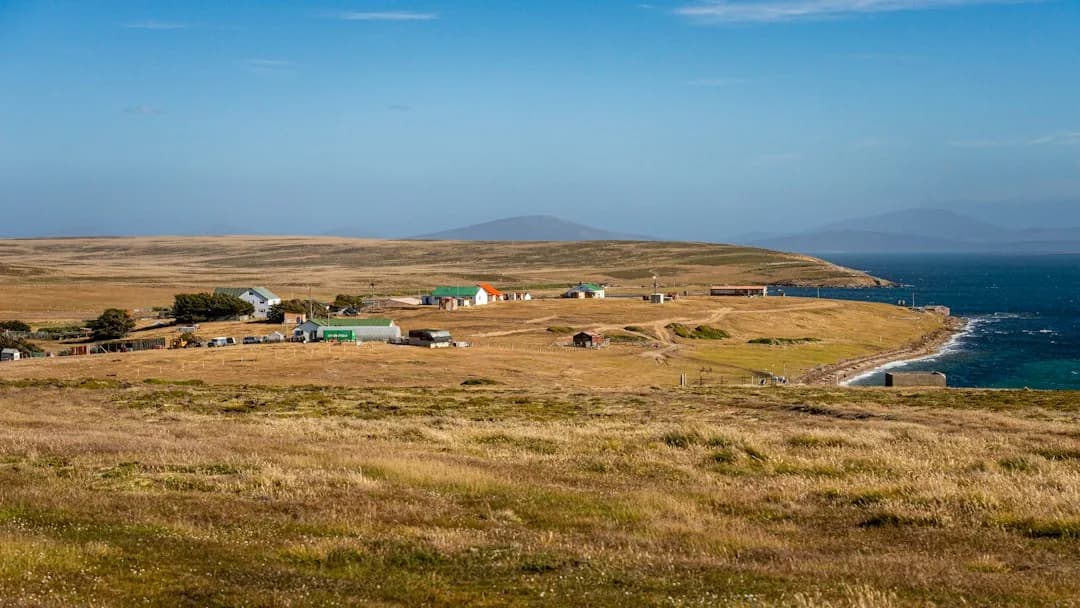
A tribute at the Darwin Cemetery
A group of former combatants from the Malvinas War left at Darwin Cemetery a replica of the shirt Lionel Messi wore during Argentina's 2-1 victory over England at the 2026 World Cup, a garment bearing the star's signature. They also brought a flag stating that the Malvinas are Argentine, a reference to the semifinal match. The cemetery holds the remains of 237 soldiers who died after the 1982 conflict.[S1][S2][S3][S4][S5][S6][S7][S8]
The Centro de Ex Combatientes Islas Malvinas (Cecim) publicly thanked the Argentina squad for sending the signed replica, and extended its thanks to Luis Martin and the team's kit staff. In its message, the organization explained that the shirt was offered to the comrades who fell and rest at the Darwin site.[S1]
Alonso recalls the win and the flag
Veteran Ernesto Alonso said the tribute was meant to honor the national team for the 2-1 result against England, which he said filled Argentines with pride much as the 1986 side led by Maradona had done. He described the cemetery as an emblematic place for former combatants because it is where the only war heroes, their fallen comrades, lie.[S1]
Alonso also stressed the importance of the flag displayed at the ground, saying it told the world at that stadium that the Malvinas were, are and always will be Argentine. The match was played on July 15 in the United States and carried symbolic weight 44 years after the war.[S1]
Diplomatic fallout and the princess's visit
After the match, Argentina's players displayed the Malvinas flag, which triggered diplomatic repercussions and led FIFA to open a case under the rule against using a sporting event for demonstrations unrelated to sport. Separately, the Argentine government rejected the official visit of Princess Anne to the Malvinas and South Georgia, calling it a provocation.[S1]
In a statement issued by the Foreign Ministry, the government argued that the British activities were carried out under what it called the illegal occupation of the Malvinas, South Georgia, the South Sandwich Islands and surrounding maritime areas, and said they lacked legal validity and violated Argentina's sovereign rights in the South Atlantic. The rebuke came as British authorities press on the natural resources of the southern maritime zone.[S1]