Machado's rejection from exile
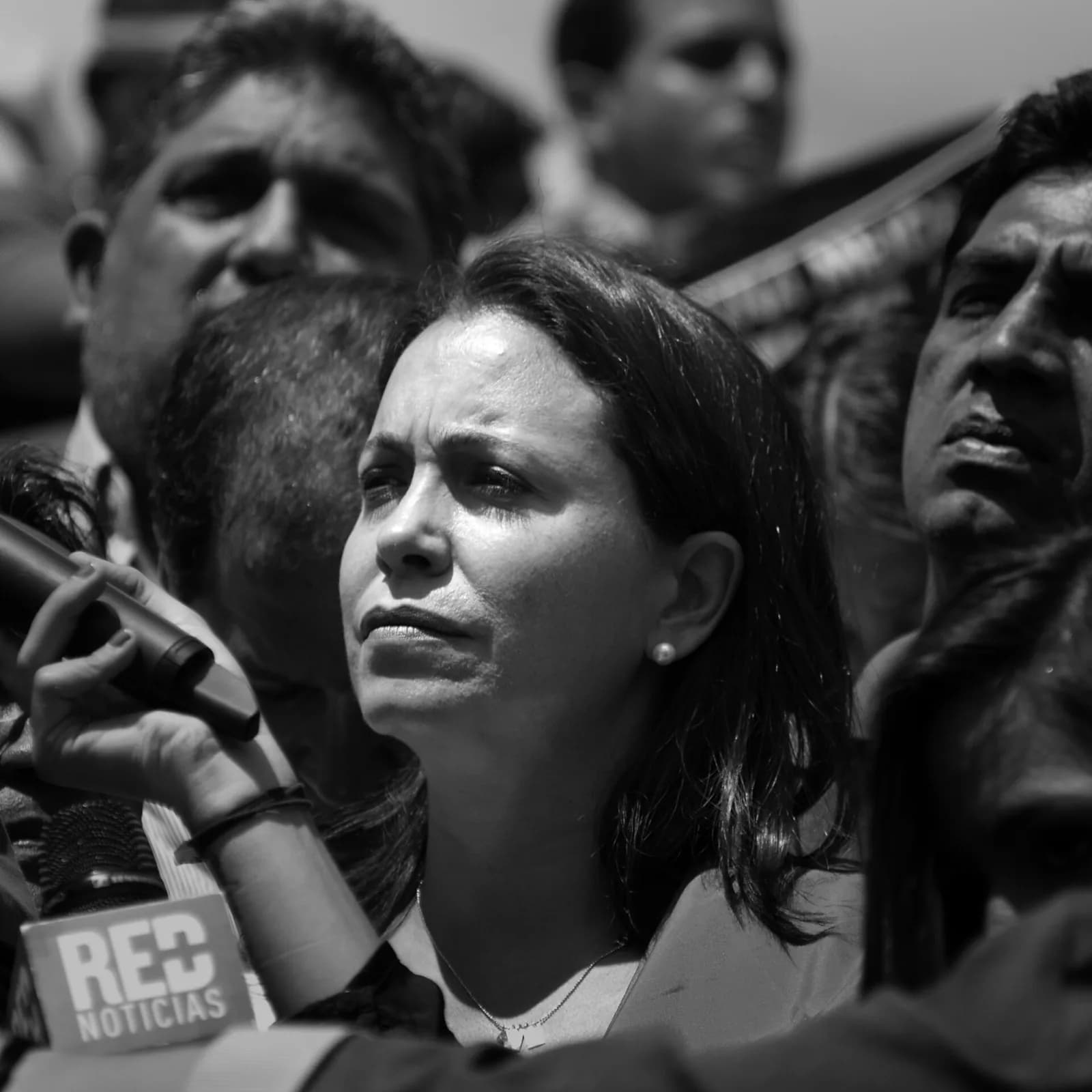
From her exile in Miami, Nobel Peace Prize laureate María Corina Machado openly criticized the oil agreement signed between interim president Delcy Rodríguez and the Trump administration, suggesting it had not started on the right foot despite the propaganda presenting it as the world's best energy deal. She waited several days after the signing, which was celebrated by eight international oil companies this Wednesday at Miraflores Palace under the approving gaze of US Energy Secretary Chris Wright, before making her statement.[S1]
In a video broadcast on social media, Machado shared the 'sadness' and 'anger' felt by Venezuelans because an illegitimate and authoritarian regime, like that of Delcy Rodríguez, makes decisions about national patrimony behind their backs. She emphasized that the wealth of the soil does not belong to an illegitimate regime but to the Venezuelan people. Earlier this year, she had given her Nobel Prize to Trump.[S1]
The pact and its controversies
According to announcements, the oil pact would give the United States control over 65,000 million barrels of crude, equivalent to 22% of Venezuela's oil reserves. This involves the concession of 17 oilfields, which the Chavista regime granted without bidding to North American Blue Energy Partners (NABEP), led by Venezuelan businessman Alejandro Betancourt, who is also questioned for corruption. The White House says NABEP signed the agreement, not Delcy's regime.[S1]
Betancourt, 46, faces pending legal cases in Spain, Switzerland, and the United Kingdom. He belongs to the so-called 'bolichicos' who enriched themselves 16 years ago during the electrical crisis. According to Transparencia Venezuela, Betancourt founded Derwik, which sold thermoelectric plants at inflated prices ($2.9 billion). Venezuelans still suffer blackouts and rationing today. Delcy Rodríguez denied that Betancourt has legal cases in Venezuela and announced the deal lasts 25 years, contradicting Trump's administration claim of 100 years. The duration and scope remain unclear.[S1]
Calls for transparency
Machado questions the pact's opacity: the true scope, who signs, what is really signed, who puts up the money, who gives guarantees, and how it benefits Venezuelans. She pointed out that 'the enemies of the United States in Venezuela are in Miraflores,' but stressed that the US is the main partner for developing the national oil sector, and that agreements must be done well, with solid contracts and associations under absolute transparency.[S1]
She recalled her proposal to the energy world: contracts under a transparent legal framework, with the Venezuelan state as promoter and regulator, public bidding based on merit, an adequate fiscal regime, legal security, and international arbitration. She promised guarantees for investments and long duration with a government elected by votes. 'Venezuela is worth not because it has oil but because of its people who will not sell their freedom and their country,' she concluded.[S1]