Royal Visit Set for October 13-14
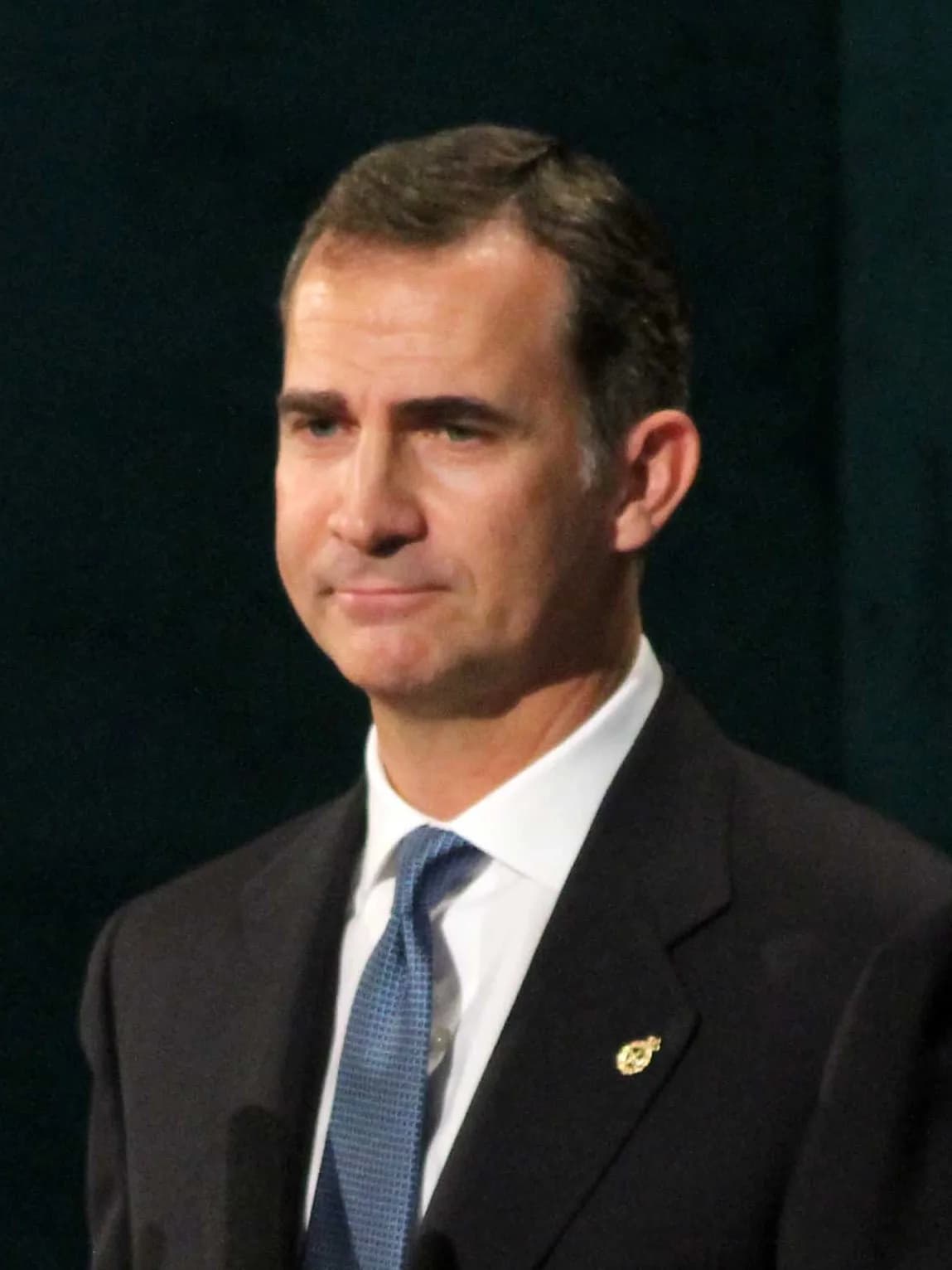
King Felipe VI and Queen Letizia will travel to Ceuta on October 13, their first visit to the autonomous city since Felipe ascended the throne in June 2014. The trip comes two and a half months after more than 80,000 migrants entered Ceuta from Morocco. The royal household and the government announced the plans on Thursday, adding that the itinerary will also include Melilla, which the couple has never visited. The only previous royal visit to both North African enclaves since the restoration of the monarchy was made by Juan Carlos I and Sofía on November 6 and 7, 2007. Sources said the government and the royal household had agreed on the trip.[S1]
Prime Minister Pedro Sánchez first announced the planned visit to Ceuta in late August, arguing there were more than enough reasons for the monarch to travel there and promising it would happen once conditions allowed. Until now no date had been set, though in the weeks since the government had repeatedly said the trip was imminent and that Moncloa and Zarzuela were organizing it. On Wednesday, asked about the timing, Sánchez said it would be announced when the moment came and declined to say whether he would accompany the King and Queen.[S1]
King's Sustained Attention to Ceuta
Felipe VI has closely followed the situation in Ceuta from the start. In the first hours he contacted both the prime minister and the president of Ceuta, Juan Jesús Vivas, and the royal household said he had followed with great concern and indignation the serious events in the autonomous city and, to a lesser extent, in Melilla, where there were also some attempts to enter. On August 1, sources at the King's household said the monarch believed it necessary to adopt all measures that convey to the people of Ceuta and Melilla the support and affection of the rest of Spain in a united, clear and determined way, insisting that the state must ensure their security and prevent such events from happening again.[S1]
In a further gesture, the monarch received Vivas on August 6 at the Marivent Palace, where he was on holiday. After the meeting, Vivas said the King had expressed his wish to travel to Ceuta as soon as possible. Felipe VI spoke again with the Ceuta president on September 2, coinciding with the Day of Ceuta, to convey the support of all Spain and call for unity and coexistence. He used his first public event after the summer break to refer to the extremely complex situation in the autonomous city and praise the example of civility it had shown. On Tuesday, during a gala dinner for French President Emmanuel Macron at the Royal Palace, the monarch described what happened in Ceuta as unacceptable and said it had violated not only a Spanish border but a European one. He argued that countries on the EU's external border, such as Spain, cannot face alone a responsibility that belongs to all.[S1]
As captain general of the armed forces, the monarch held a meeting on September 7 with Defense Minister Margarita Robles, the chief of the defense staff, Admiral General Teodoro García Esteban, as well as the commander general of Ceuta and operational commanders to learn firsthand about the situation from a defense perspective.[S1]
Morocco Factor and Diplomatic Caution
One factor that contributed to delaying the trip was the holding of parliamentary elections in Morocco on September 23, especially since the government maintains that a visit to the two autonomous cities should not upset the Alawite kingdom, where the events of late July have revived claims over Ceuta and Melilla. Foreign Minister José Manuel Albares has made clear that the King and Queen of Spain do not need to request authorization or permission from anyone to go to any Spanish city, though he noted that by diplomatic courtesy some information can be shared, but certainly not authorizations or specificities in that regard.[S1]
The visit by Juan Carlos I and Sofía at the time provoked an angry reaction from Morocco, which recalled its then ambassador in Madrid, Omar Azziman, for consultations; he took more than two months to return to his post. There were also criticisms from the political class and some protests. In Rabat, it was not only upsetting that its sovereignty over both enclaves, which it considers occupied by Spain, was questioned, but also that the visit took place coinciding with the anniversary of the Green March, one of the milestones in its history that laid the groundwork for the occupation of Western Sahara after Spain's departure in 1976, which continues to this day.[S1]