A second attempt ends with prejudice
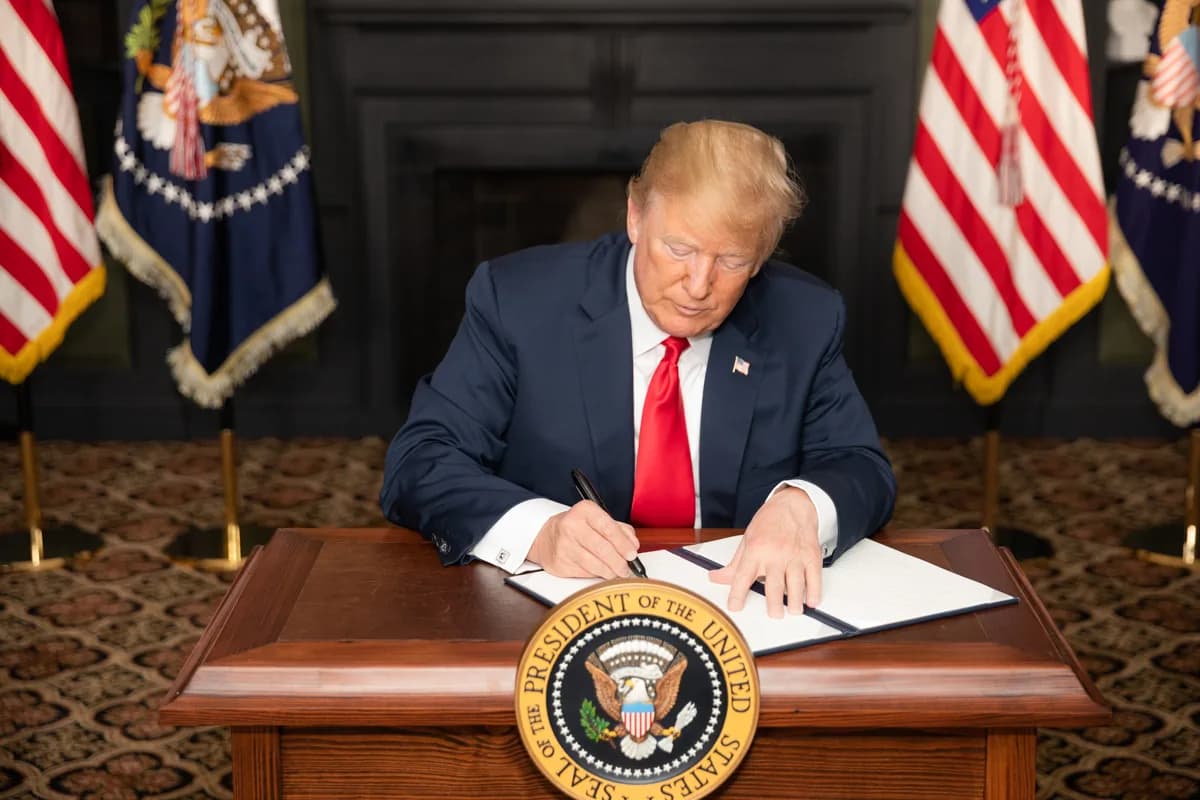
A court filing shows that on Saturday a federal judge in Florida threw out Donald Trump's suit against the Wall Street Journal with prejudice, closing for good his case over the paper's coverage of a birthday letter he is said to have written to Jeffrey Epstein. An April ruling had already dismissed the matter but let Trump amend his complaint. Dismissal with prejudice bars any further amendment or refiling of the case.[S1][S2]
Judge Darrin P. Gayles concluded that the revised complaint still did not plausibly establish actual malice, the demanding threshold public figures must clear in defamation cases. Because this was the president's second effort to state his claims, the court decided that a dismissal with prejudice was warranted.[S1][S2]
What the disputed letter contained
The case grew out of a Wall Street Journal article published on 17 July 2025 under a headline describing bawdy letters sent to Epstein for a 50th birthday album, one of them attributed to Trump. The reported 2003 greeting allegedly carried a sexually suggestive drawing and a wish that every day be another wonderful secret. The newspaper did not initially publish the image; it surfaced in September when the House oversight committee released it after Epstein's estate supplied it.[S1][S2]
Trump has insisted the letter is not genuine and that the signature on it is not his. He filed a $10 billion defamation suit last summer, asserting that no authentic letter or drawing exists and describing the coverage as false and malicious.[S2]
Why the judge rejected the claim
Gayles wrote that the president's allegations were conclusory, vague, at times inconsistent with the article and frequently beside the point of whether the defendants knew or should have known the story was false. The judge characterized Trump's position as arguing that once he labeled the letter fake, the newspaper should have set aside everything its investigation turned up and declined to publish.[S2]
That reasoning, Gayles held, does not match what the actual malice standard demands and conflicts with the First Amendment. He warned that accepting it would let any public figure block negative coverage simply by denying an accusation. The order opened with language from the Supreme Court's New York Times v Sullivan decision, and the judge noted that Trump's first complaint had come nowhere near the required threshold.[S2]
The court repeatedly noted that the Journal sought Trump's response before publication and included his denials, which the judge treated as signs of sound reporting practice. The newspaper's representatives had urged dismissal, maintaining the story was accurate and that its reporters neither knowingly published false material nor believed it was probably false.[S1]
Reactions and the Murdoch connection
A spokesperson for Trump's legal team said the president intends to keep pressing the case and to hold outlets accountable for what the statement called fake news and smears; the spokesperson also said an appeal is planned. A Dow Jones spokesperson said the company was pleased with the court's decision.[S1][S2]
The suit drew unusual scrutiny because Rupert Murdoch, a prominent media ally of Trump, was named among the defendants through News Corporation, which owns the Journal. Before the article appeared, Trump personally reached out to Murdoch in an attempt to stop publication.[S1]