Court Ruling
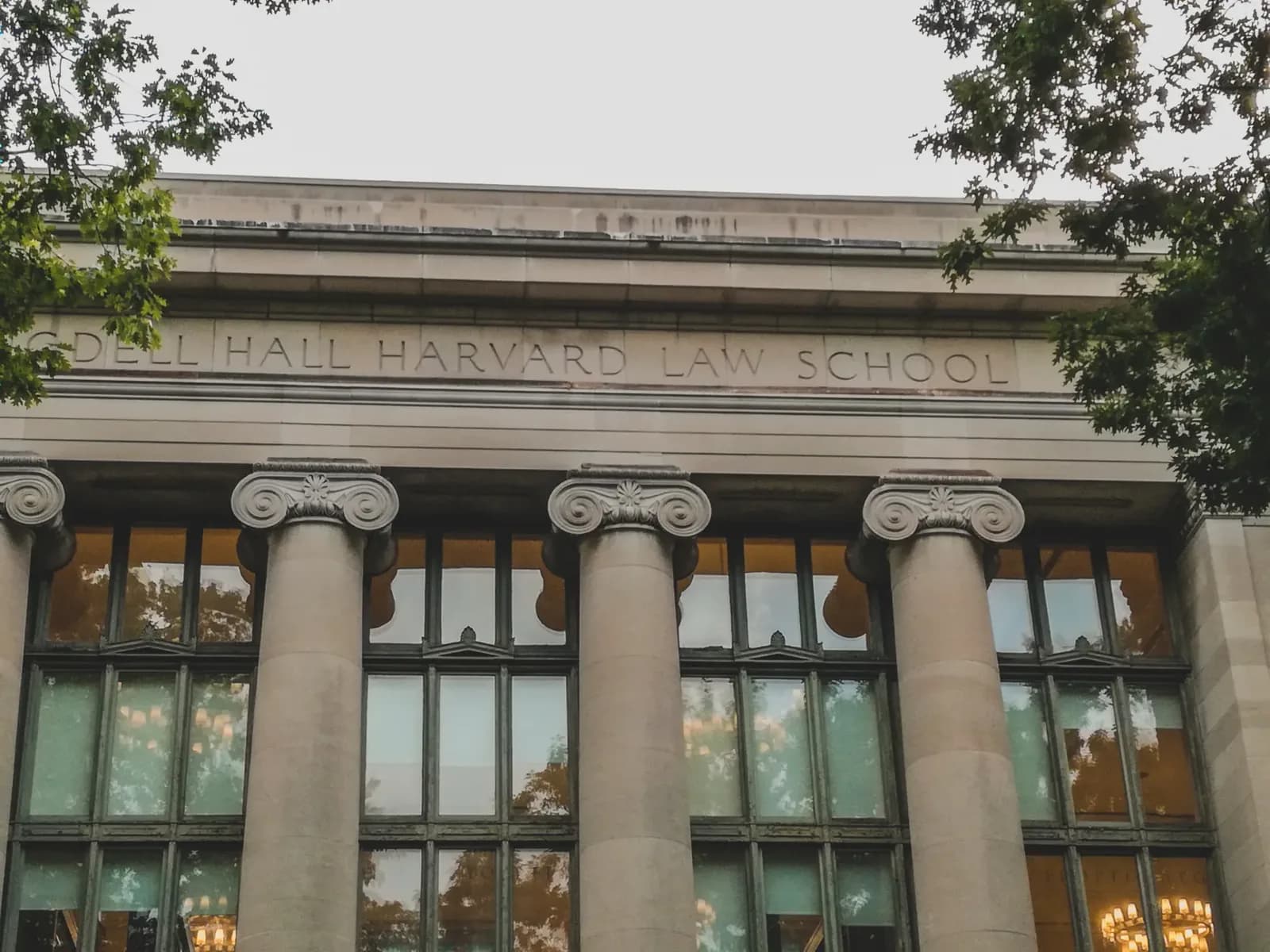
A Boston federal judge rejected the Trump administration's lawsuit against Harvard University over antisemitism, citing a lack of evidence for ongoing civil rights violations. The judge noted that most incidents occurred during the 2023-2024 school year, with few recent cases.[S1][S2][S3]
Following the October 7, 2023, Hamas attack, a lawsuit filed in March claimed Harvard's handling of antisemitism was so inadequate it showed deliberate indifference, violating the Civil Rights Act of 1964. The government aimed to withhold future funding and reclaim nearly $1 billion in grants.[S2][S4]
Judge's Reasoning
On June 30, 2025, the government informed Harvard about its supposed noncompliance, but it didn't demonstrate any subsequent events that indicated ongoing violations. According to Stearns, the government misinterpreted the goal of Title VI enforcement, which aims to encourage compliance rather than penalize past behavior.[S3][S4]
The judge's four-page decision granted Harvard's motion to dismiss, addressing only the argument that the government failed to plead an ongoing violation. He did not rule on Harvard's claims that the lawsuit was retaliatory or that there was no breach of contract.[S2][S5]
Reactions and Implications
The Department of Justice, as stated by Assistant Attorney General for Civil Rights Harmeet Dhillon, disagrees with the court's decision and is evaluating its options. Meanwhile, the Brandeis Center for Human Rights Under Law has expressed concern that this ruling may set a higher legal standard, making it more challenging to enforce Title VI in the future.[S2][S6]
Harvard has emerged victorious against Trump for the second time in their ongoing legal dispute. The university, however, still faces additional legal hurdles, including a dispute over frozen research funds and a lawsuit concerning international student enrollment policies.[S1][S5]