Health Crisis Worsens as Fires Rage
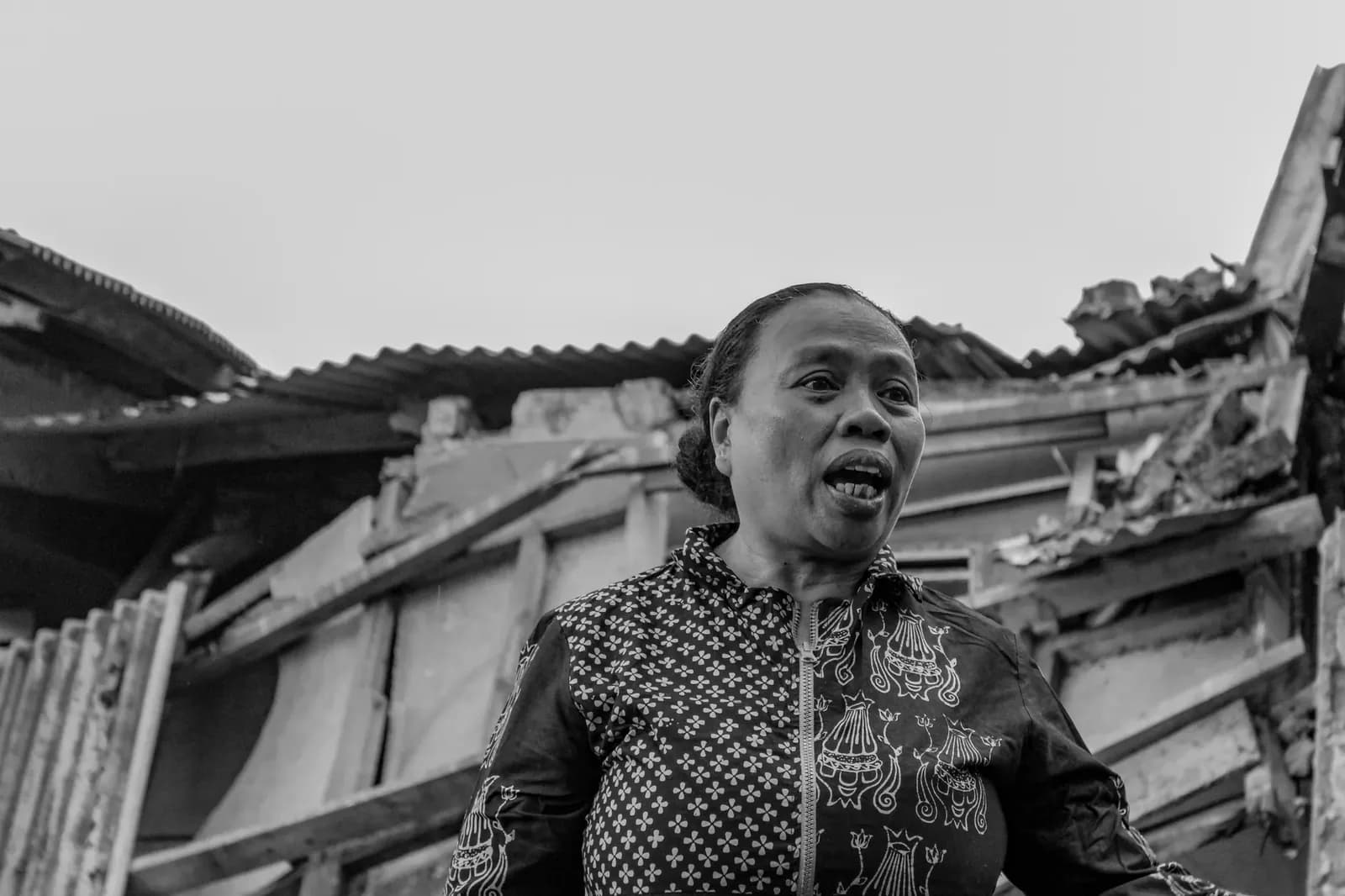
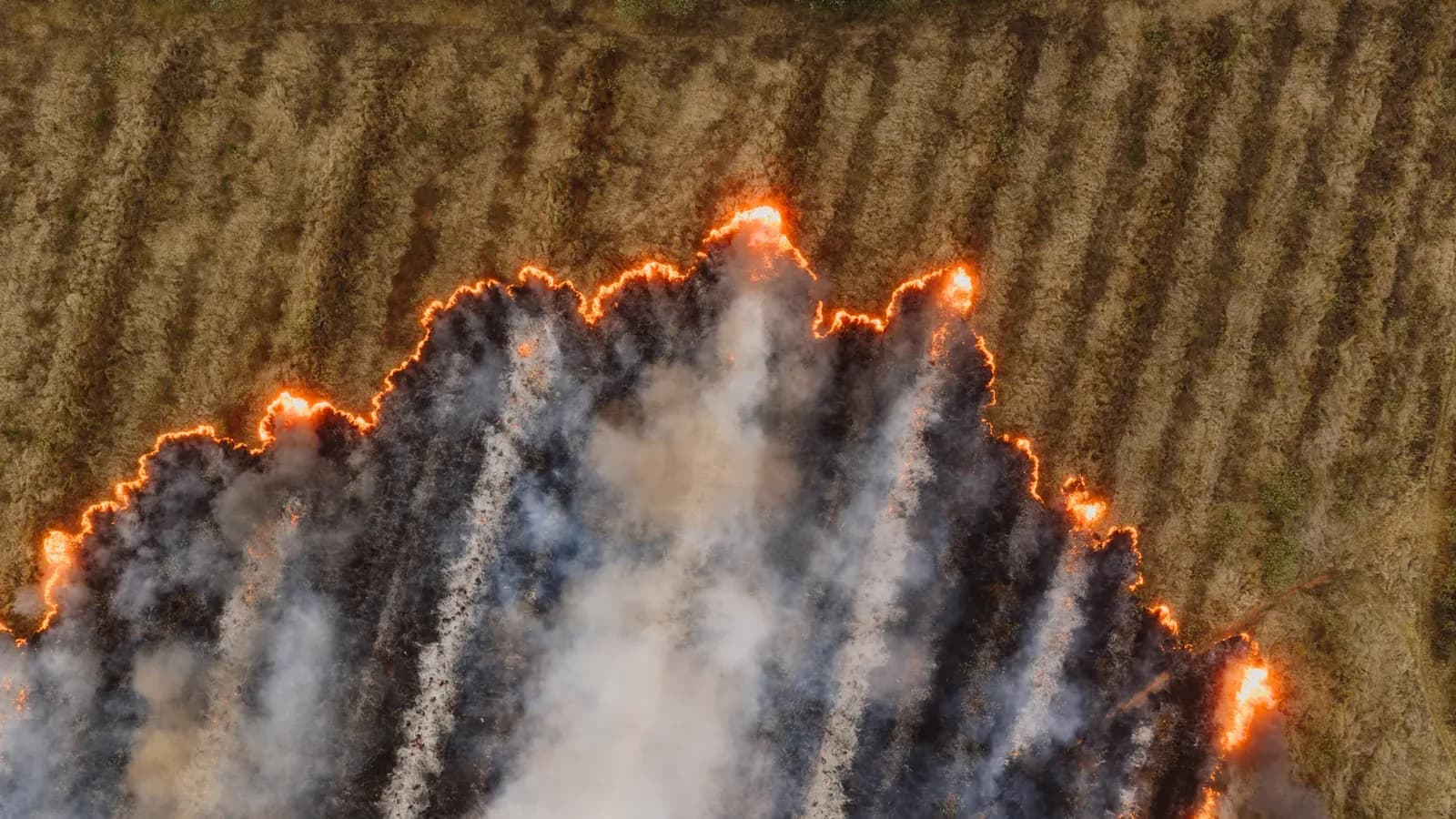
In Indonesian Borneo, residents like Suwadi can barely see five meters ahead due to thick smoke, with each breath feeling like smoking a cigarette. The haze has persisted for weeks in Kalimantan, where fires have scorched tens of thousands of acres, including ancient rainforest, and now threaten Malaysia and Singapore.[S1]
Health ministry data shows a spike in emergency room visits in West Kalimantan, with about 5,000 people arriving weekly with respiratory symptoms since July, compared to 500 per week earlier in the year. Children and adults continue daily activities despite constant exposure, prompting concerns for vulnerable groups like babies and the elderly.[S1]
Regional and Government Response
The haze has now become a regional concern, with Malaysia and Brunei taking it to the Asean forum. Kuala Lumpur topped the list of the world's most polluted cities on Tuesday, with Jakarta close behind, as reported by IQAir. This crisis led to the closure of nearly 600 schools in Sarawak and prompted Singapore to issue an alert.[S1]
President Prabowo Subianto has taken action against companies accused of illegal land clearing. As Antara reports, he instructed officials to withdraw business licenses from corporations suspected of orchestrating the destruction. The police have arrested 72 individuals for allegedly starting fires in Borneo and Sumatra, with the majority facing charges of intentional burning to prepare land for plantations. Four companies are currently under scrutiny for their use of fire as a cost-effective land-clearing method.[S1][S2]
Spiritual and Technical Measures
In South Sumatra, the region with the highest concentration of fire hotspots, a large crowd of around 3,000 people assembled in Palembang for a unique Islamic rain prayer called 'salat istisqa'. Governor Herman Deru emphasized that this prayer is a way to support firefighting efforts and bring the community together in the face of environmental crises.[S2]
Indonesia is ramping up its weather intervention efforts, deploying 30 planes for cloud-seeding and water-dropping across Kalimantan, and 22 helicopters for Sumatra. The country's disaster management agency attributes the fires to a powerful El Niño and an extended dry season, resulting in smoke spreading into neighboring Malaysia and Brunei.[S2]
Long-Term Concerns and Expert Warnings
The dry season's persistence until October raises concerns among experts, who predict a potential escalation of the crisis. With rains unlikely before November, the situation mirrors 2015's El Niño event, where over 6 million acres of land were engulfed in flames, resulting in trans-boundary haze. July alone witnessed the burning of nearly 94,000 hectares, according to forestry data, indicating a dire scenario.[S1]
Justin Sentian, a professor at Universiti Malaysia Sabah, says fires on degraded peatlands are harder to control because they burn underground, producing thick smoke. He argues that true prevention requires halting peatland conversion and restoring degraded areas, rather than reacting only after hot spots appear.[S1]