First hike since 2023 ends a long pause
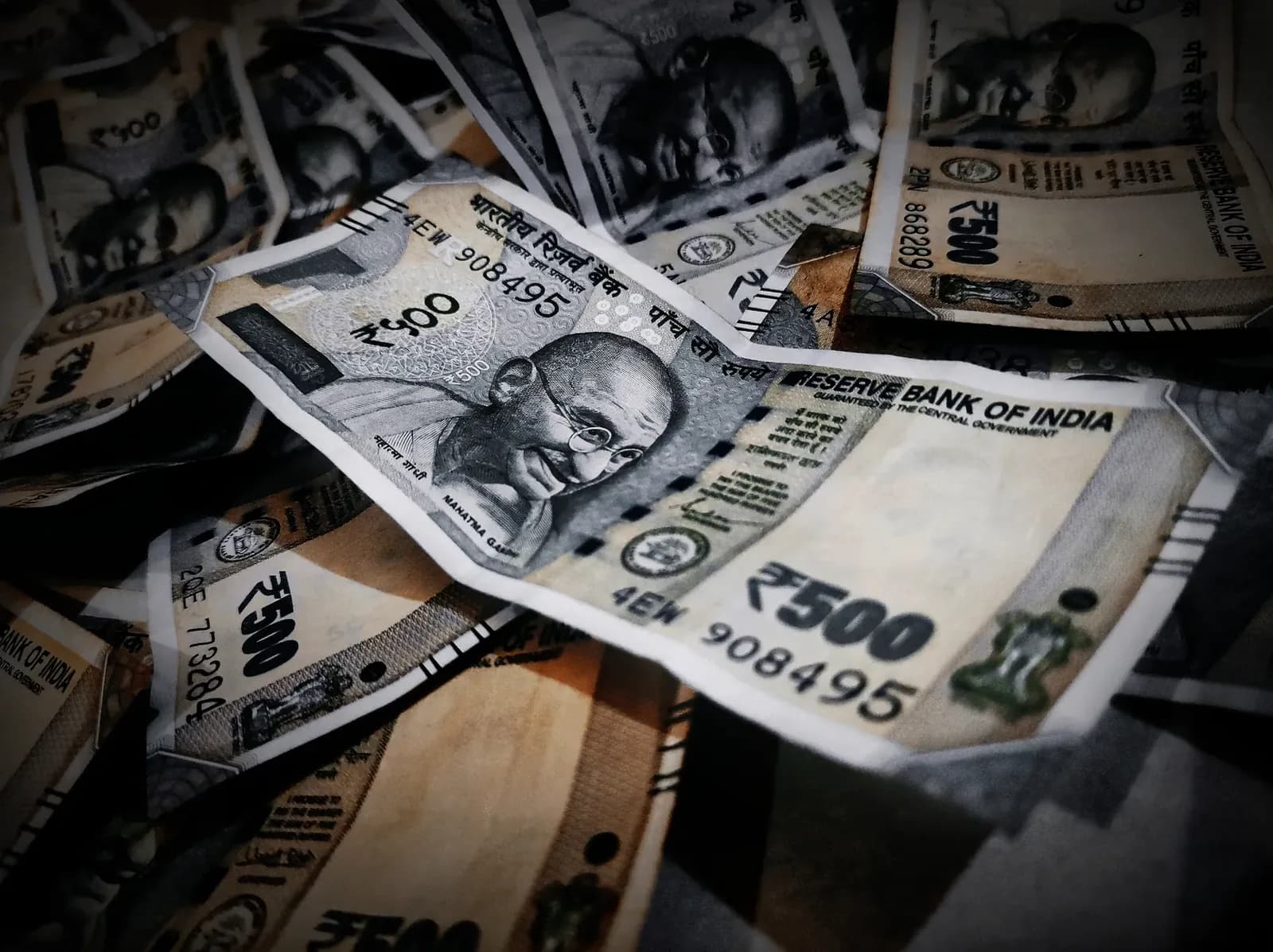
The Reserve Bank of India on Wednesday lifted its benchmark repo rate by 25 basis points to 5.50%, the first increase since February 2023. The move ends a period in which the central bank held rates steady even as counterparts in Japan, Indonesia and the Philippines tightened policy, choosing instead to concentrate on supporting economic expansion. The decision was in line with the expectations of economists surveyed by Reuters.[S1][S2]
Governor Sanjay Malhotra stated that India's economy has continued to expand solidly in spite of external pressures, though he warned that price pressures and their trajectory are no longer as mild as they were a year earlier. According to Malhotra, the monetary policy committee shifted its stance to calibrated tightening. The RBI lifted its projection for India's growth by 40 basis points to 7.1%, pointing to resilient activity, while noting that drawn-out geopolitical tensions, trade disputes, tighter financial conditions and elevated global commodity prices could drag on expansion.[S2]
Inflation pressures and the path ahead
India's retail inflation has climbed for ten straight months, hitting 4.8% in August, which is above the RBI's medium-term goal of 4%. The central bank forecasts core inflation of 4.4% for the fiscal year ending March 2027, alongside headline inflation of 5.2%. Malhotra indicated that under present circumstances, near-term rate reductions are not being considered, and that any upcoming policy move would either be an increase or a hold. HSBC and Goldman Sachs anticipate another RBI rate rise in December.[S2]
In a Monday report, HSBC argued that investors must witness a convincing rate increase from India's central bank that proves its willingness to tighten again in order to rein in inflation. Should such a move be read as dovish while inflation is climbing and expected to stay elevated, it would diminish India's attractiveness to global investors, the report added. A Tuesday report from the World Bank projected India's growth slowing to 7.1% in the fiscal year ending March 2027, down from 7.8% a year earlier, with growth moderating over coming quarters.[S2]
External risks: energy, El Niño and trade
India, the fastest-growing major economy globally, ranks among the nations most vulnerable to supply shocks stemming from the Iran war. The country purchases almost 85% of its fuel from abroad, and the Strait of Hormuz served as a crucial supply corridor prior to the conflict. India additionally confronts possible El Niño conditions this year. The World Bank noted that India experienced its fourth-driest June-August stretch since 1960, a factor that could lift food prices. India's June-quarter growth came in at a stronger-than-expected 7.8%, even as the U.S., China and Japan saw cooling growth amid trade headwinds, geopolitical uncertainty and costly energy. The U.S. Federal Reserve raised rates last month for the first time in months.[S2]