The referendum and its context
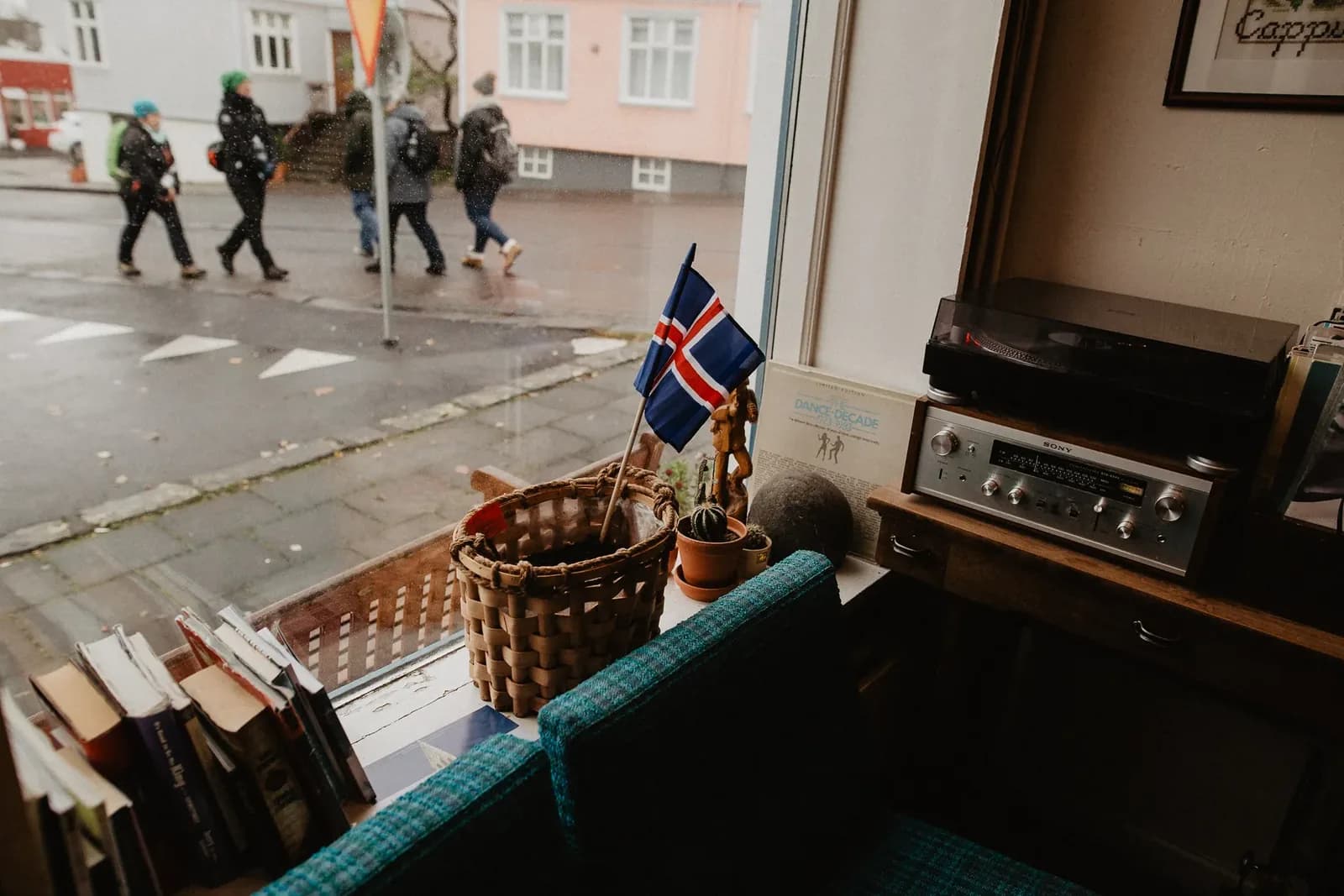
On Saturday, Icelanders head to the polls to decide whether to restart EU accession talks, which were halted in 2013. The nation of about 400,000 sought EU membership following the 2009 financial crisis, but negotiations stalled after a eurosceptic government came to power. The referendum question asks for a simple yes or no on resuming discussions.[S1][S3][S4]
The race is extremely close, with a Gallup poll on Friday showing a narrow majority against reopening talks, shifting from earlier surveys that had suggested a slight lead for supporters. Polling stations opened at 0900 GMT and close at 2200 GMT, with no exit polls, so reliable results are not expected until late Saturday at the earliest.[S3][S4]
Key issues: fishing, interest rates, and security
Opponents of the 'No' campaign are concerned about losing authority over Iceland's fishing areas under the EU's Common Fisheries Policy, pledging to never share its waters. Brussels has suggested possible exceptions, but fisheries remain the most significant hurdle. Critics argue that EU membership would undermine Iceland's independence and fishing rights.[S1][S3]
Proponents of the 'Yes' campaign believe that EU membership could reduce high interest rates and offer greater stability amid global uncertainties, including the conflict in Ukraine and U.S. President Donald Trump's remarks about Greenland. Iceland's central bank rate is 8.00%, whereas the European Central Bank's is 2.25%, and some homeowners face mortgage rates of nine percent.[S3][S4]
Perspectives from both sides
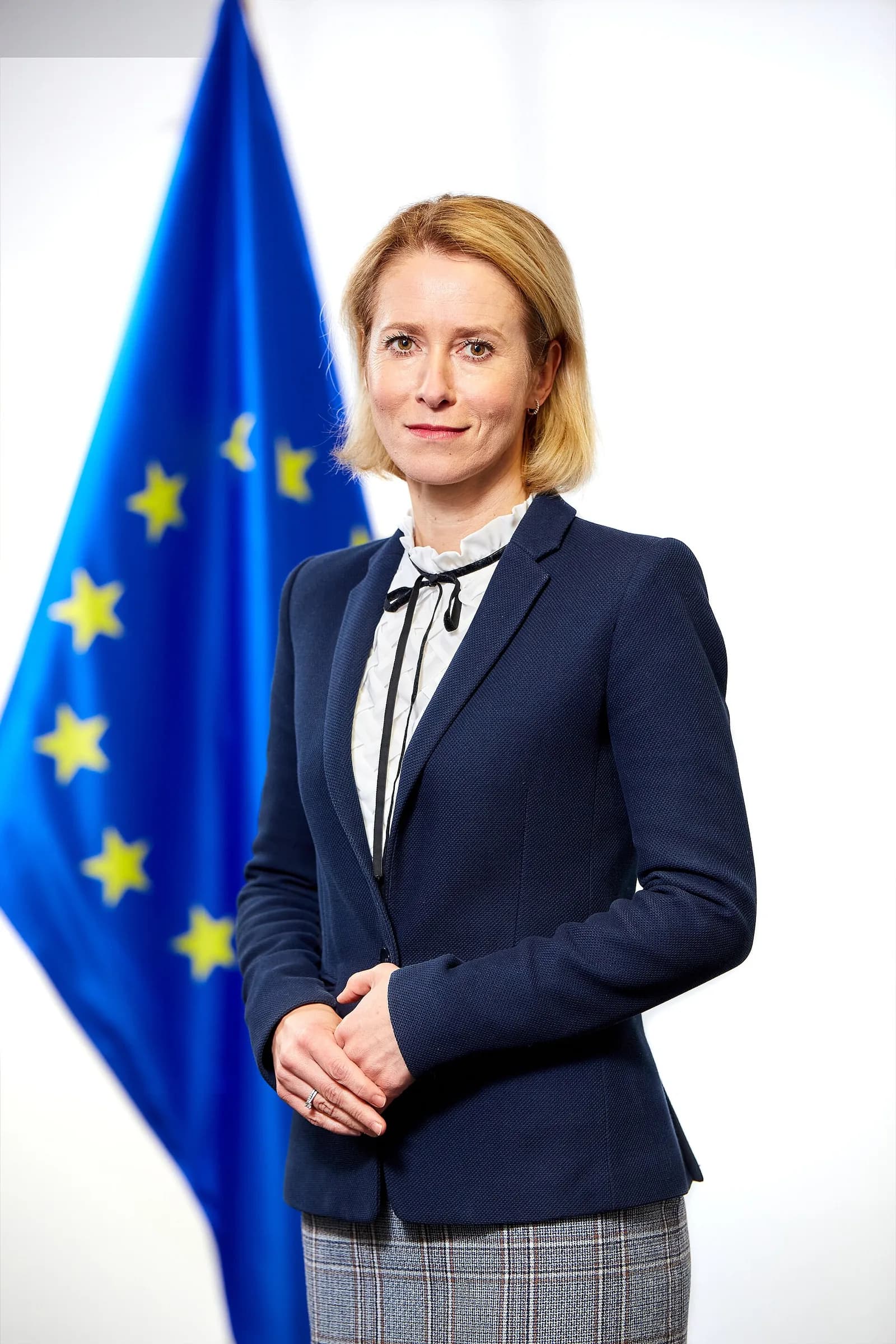
Former Prime Minister Katrin Jakobsdottir stated that Iceland is better off outside the EU, while Foreign Minister Thorgerdur Gunnarsdottir, who supports 'Yes', said the decision hinges on whether Iceland can still afford to remain isolated in a world where old certainties are fading. Political scientist Eirikur Bergmann noted that domestic matters are key, but Trump's second term and geopolitical shifts have had a notable influence.[S3][S4]
Some voters see no need for EU membership since Iceland already has access to the single market through the European Economic Area. Radio presenter Hjordis Vilhjalmsdottir compared the situation to a relationship where marriage might mean losing something, while entrepreneur Elias Theodorsson said Iceland has prospered on its own. University administrator Alexandra Yr van Erven said the interest rate gap would mean much for her household and supports giving the government the agency to negotiate a deal.[S4]
What happens next
If the 'Yes' side prevails, accession talks could commence by the end of 2026 and last 18 to 24 months, according to a foreign ministry memo. An accession agreement would then be negotiated with Brussels and subjected to a new referendum on actual membership. A 'No' outcome would not preclude future talks.[S1][S3][S4]