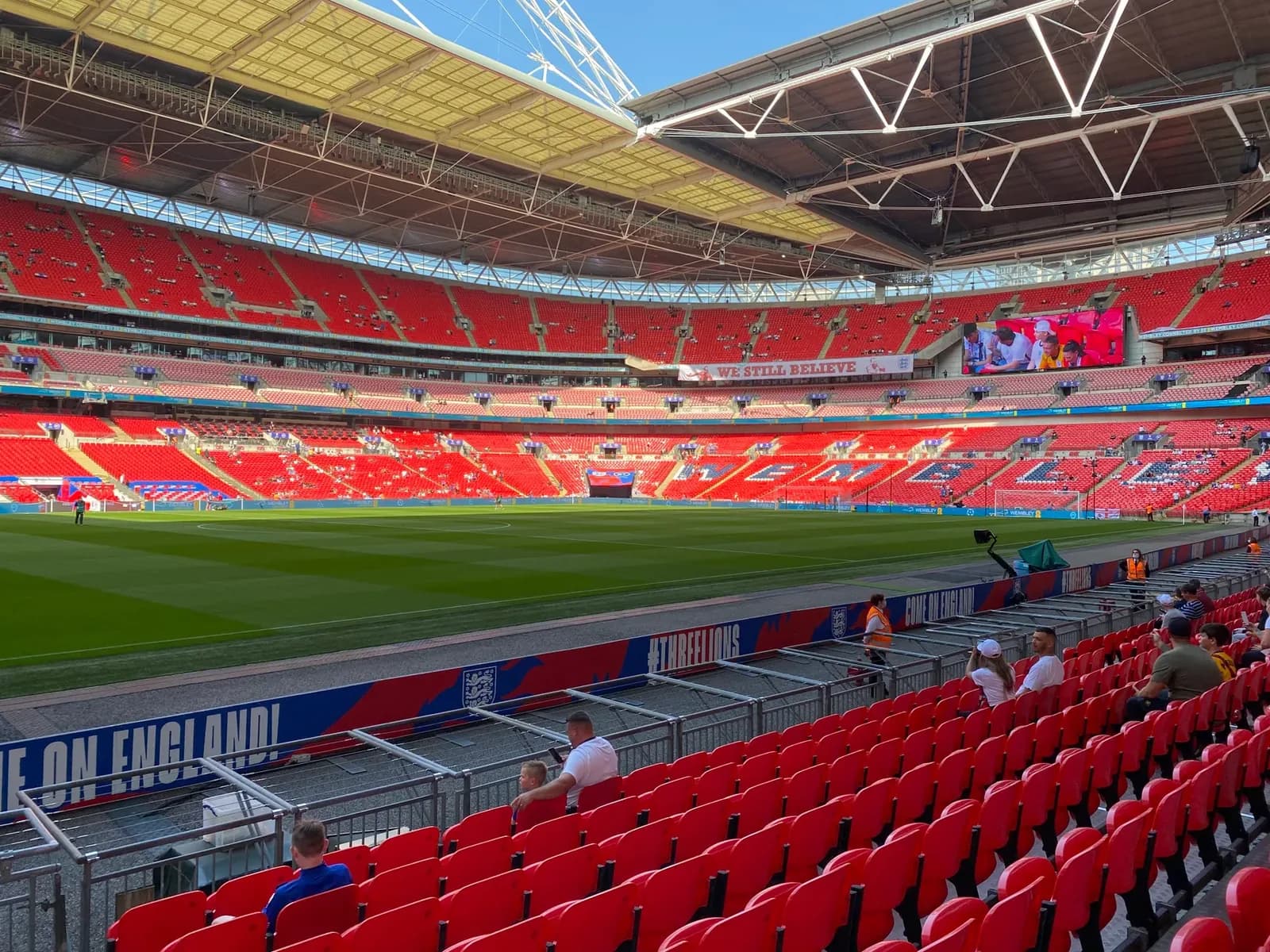
I would ask first what the price of sixty to three hundred dollars is actually telling us. The market price of a commodity is regulated by the proportion between the quantity brought to market and the effectual demand — the demand of those willing to pay the whole value of the rent, wages, and profit required to bring it there. A stadium seat is not a coach and six; the very poor man's wish for it is not an effectual demand. The price is set by those whose fortunes allow them to bid, and the seats are the purchase of a higher or lower set of people accordingly.
I would distinguish the natural price from the market price. The natural price must cover the labor, the expense of education, and the risk of not succeeding — for a performer, the years of training and the chance that the venture fails. Where the market price is very great and the labor highly rewarded, the market is prodigiously crowded with it, greater quantities are produced, and it can be sold to the inferior ranks of people. That is how a limited offering of twenty-pound tickets becomes possible at all: the higher prices sustain the enterprise, and the cheap seats fall to another set of buyers.
The support acts chosen city by city are a division of the trade. Each city gets a different one, and the competition among those who supply the entertainment tends to make the retailers both sell cheaper and buy dearer than if the whole trade were monopolized by one or two persons. I would not, however, mistake the multitude of ale-houses for the cause of drunkenness. The disposition to attend arises from other causes, and the multitude of shows is its consequence, not its source.