A Weekend of Announcements
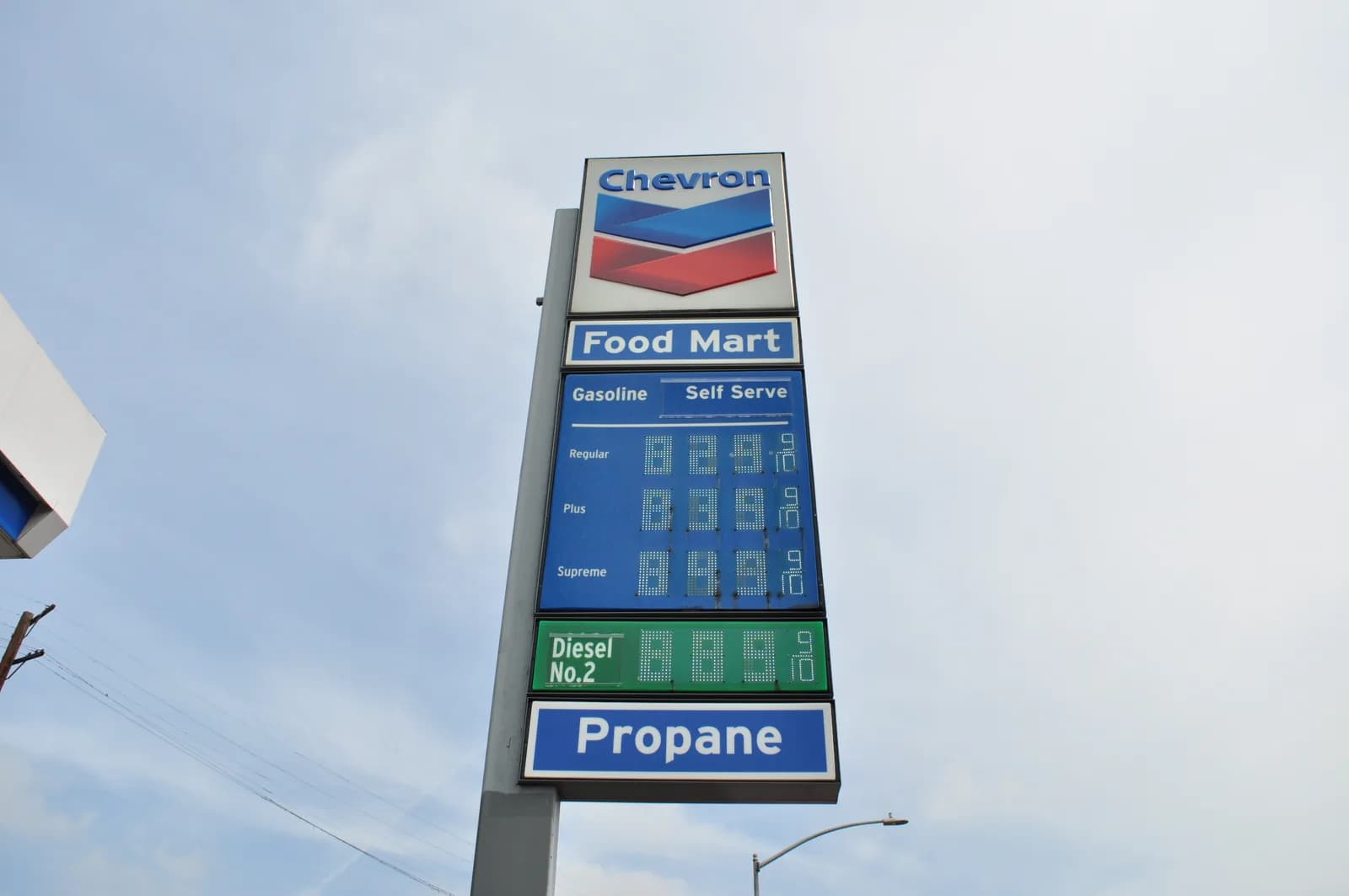
President Donald Trump has turned his attention abroad, especially toward Russia, to address one of the most pressing problems facing the United States just weeks before legislative midterm elections that will determine control of Congress. High energy prices, above all in the agricultural states of the Midwest, where diesel powers machinery and moves goods to market, have become a growing source of frustration for American voters. Trump therefore announced that he would import hundreds of thousands of barrels of the fuel from Russia.[S1][S2]
A dizzying weekend began on Friday afternoon, when Trump announced the new agreement with his Russian counterpart, Vladimir Putin. On his Truth Social platform, the president said it would bring lower prices for Americans and ordered the Treasury Department to suspend US restrictions that prevented Russian diesel from being sold on world markets. International affairs, however, rarely offer easy answers, and events elsewhere threaten to undermine his efforts to bring down the price of the product before it yields any political benefit.[S1]
Meanwhile, polls suggest that voters see the war against Iran as the main cause of their problems, and that support for Trump, particularly approval of his handling of the war and the economy, has fallen sharply. Two days later, he returned to social media to announce a new energy ceasefire agreement between Russia and Ukraine. The reality, however, was more complicated.[S1]
Ukraine Left in the Dark
Ukrainian President Volodymyr Zelensky said he had received no advance notice of the agreement, although he said his country would respect it. Russia, for its part, remained silent, and on Sunday night launched a new wave of attacks on Ukrainian power plants. Zelensky said with irony on Monday that it was clear Putin does not read Truth Social, and added that this winter, if Russia does not accept an energy ceasefire, Ukraine would respond.[S1]
Trump and Zelensky have had a turbulent relationship during the American president's second term, which alternates between blaming Russia and Ukraine for a conflict he had said would be easy to end when he returned to the White House. In recent days, Zelensky has been the main target of Trump's anger, because Ukrainian attacks on Russian oil infrastructure have contributed to global energy shortages. On Saturday, the US president told reporters at the White House that it was time for Ukraine to have a new leader.[S1]
In addition, the Financial Times and CNN reported that the United States threatened to cut arms sales and intelligence sharing with Ukraine if Zelensky does not stop attacks on Russian refineries. Trump said Zelensky had better stop. Terry Haines, founder of the independent think tank Pangaea Policy, told the BBC that the president has a long public record, spanning a decade, of lashing out at those who do not do what he wants, when and how he wants.[S1]
Understand this article deeper
Premature Announcement and Fallout
It now appears that Trump's celebration of the energy truce was another example of a habitual practice: announcing deals before they are closed and signed. In the past, for example, he prematurely proclaimed ceasefires in the Middle East and broad peace agreements. Whether because of impatience with the slow pace of diplomacy or as a skillful negotiating tactic to push an agreement toward completion, the result has been the same: a scramble to understand what it means and how to react.[S1]
Reactions were not long in coming. Canadian Prime Minister Mark Carney, who has become a vehement critic of the president on the international stage, expressed firm support for the energy ceasefire but condemned the diesel deal for undermining peace and stability in Europe and helping Russia finance its illegal and unjustified war against Ukraine. In the United States, the diesel announcement generated similar concern, even among members of the president's own party. Four Republican senators joined Democrats in a letter asking Trump to reverse course immediately.[S1]
The senators wrote in a statement released on Sunday that Congress explicitly banned imports of Russian energy in 2022 to prevent US dollars from financing Putin's brutal war against Ukraine, and that Trump's decision to allow Russian diesel imports into the United States goes directly against that law. What may be worse for the president than the criticism is that the announced ceasefire has had little effect on the price of diesel, which remains below its historic highs but still well above US$6 per gallon.[S1]
New Front in the Middle East
Meanwhile, as the latest twists of the Russia-Ukraine conflict unfolded, new violence in the Middle East threatens to put further strain on global energy markets, whatever happens with Russian oil. The Houthis attacked airports and energy infrastructure in Saudi Arabia over the weekend. The events left at least 13 people dead and could aggravate a decade-long conflict that had remained latent during the US war with Iran.[S1]
Michael Ratney, a former US ambassador to Saudi Arabia, told the BBC that the Houthis are sending a message: it is not only about military targets or energy infrastructure, but that they will attack civilian airports, which could kill many people. The US war with Iran was a conflict that none of the Arab countries in the region wanted, he said.[S1]