A first meeting of 2026's documentary directors
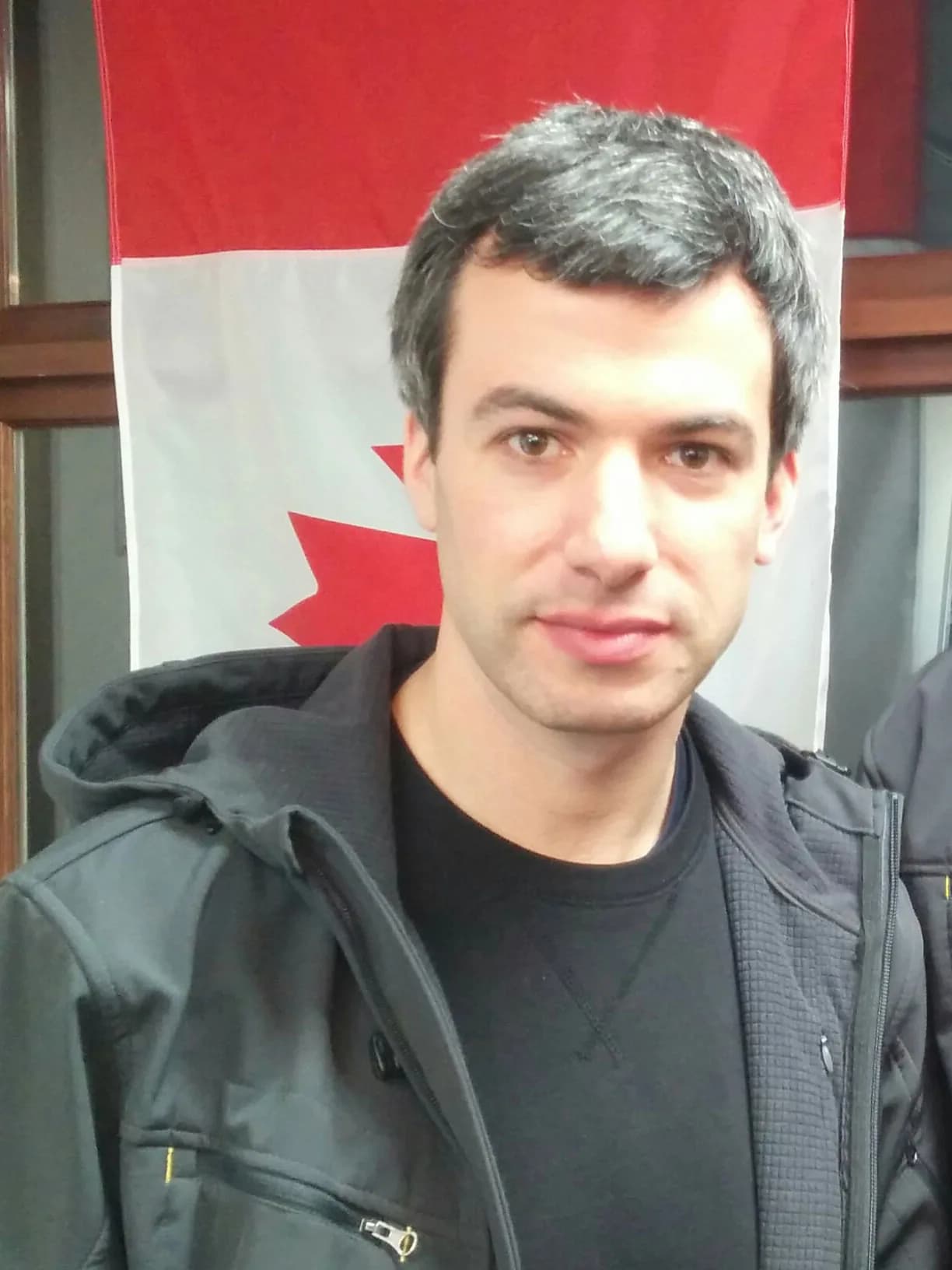
Nathan Fielder appeared Wednesday at the SCAD Savannah Film Festival alongside nine other directors of prominent 2026 documentaries, taking part in a Docs to Watch panel moderated by The Hollywood Reporter. It was the first time the co-director of You Can See Everything, his Elizabeth Holmes film made with Lance Oppenheim, had shared a stage with that group, and the movie's unusual methods and strong ticket sales dominated the conversation.[S1][S3]
The other panelists were Chai Vasarhelyi, Rory Kennedy, Amir Bar-Lev, Julia Loktev, David Greaves, Poh Si Teng, Jack MacInnes, Alysa Nahmias and Ron Howard. A full video of the session is expected to be posted soon.[S1]
The Academy branch and the popularity question
The moderator noted that the Academy of Motion Picture Arts and Sciences documentary branch, which alone decides the best documentary feature nominees, has drawn criticism in recent years. The branch has repeatedly skipped films built around celebrities, given wide releases or earning money, among them Won't You Be My Neighbor, Jane, Life Itself, Still: A Michael J. Fox Movie, American Symphony, Will & Harper and Billie Eilish: The World's a Little Blurry. It has also shown little appetite for adventurous filmmaking methods such as reenactments, as with Stories We Tell.[S1]
Those are precisely the kinds of films drawing audiences now. You Can See Everything has taken in close to $50 million, posting the biggest opening weekend for a documentary since 2004's Fahrenheit 9/11 and the strongest debut from fewer than 1,000 theaters since 2006's Borat. The question put to the panel was whether the branch should widen its definition of documentary.[S1]
Understand this article deeper
Directors back the film's approach
Amir Bar-Lev, a longtime branch member, backed the film and invoked Werner Herzog's The Minnesota Manifesto, arguing that vérité carries only the truth of facts rather than an ecstatic truth, which reenactments and playing to the camera can reach. He said refusing to edit or simply pointing a camera does not make a film more truthful, and called it a pity that the branch is sometimes narrow-minded. He added that the award honors a film rather than an issue, and said the movie's success pushes boundaries the field can learn from.[S1]
Chai Vasarhelyi, who won the feature documentary Oscar for 2018's Free Solo, described being unable to find a seat for the film in Manhattan the previous weekend and called the demand a beautiful moment for nonfiction. She said the film's constraints turned into opportunities, which she described as formal innovation comparable to The Act of Killing.[S1]
Fielder says accuracy drove every choice
Fielder said he is a longtime documentary admirer and that he and Oppenheim never set out to work unconventionally. He described the production as a matter of including whatever was needed for the most honest result, with strict attention to accuracy and authentic portrayal. Techniques such as reenactments entered, he said, because omitting them would have meant concealing from viewers what the filmmakers knew or saw.[S1]
He noted that cameras change a room and that subjects behave differently when filmmakers are present, whether or not that is acknowledged. He and Oppenheim kept asking what information viewers needed to make sense of the story as they did, and the method grew from that. He said he is unsure what disqualifies something as a documentary, but that without those choices the film would have been a less honest version of events, and that he hopes its reception draws more people to documentaries in theaters.[S1]