A two-week silence before the December decision
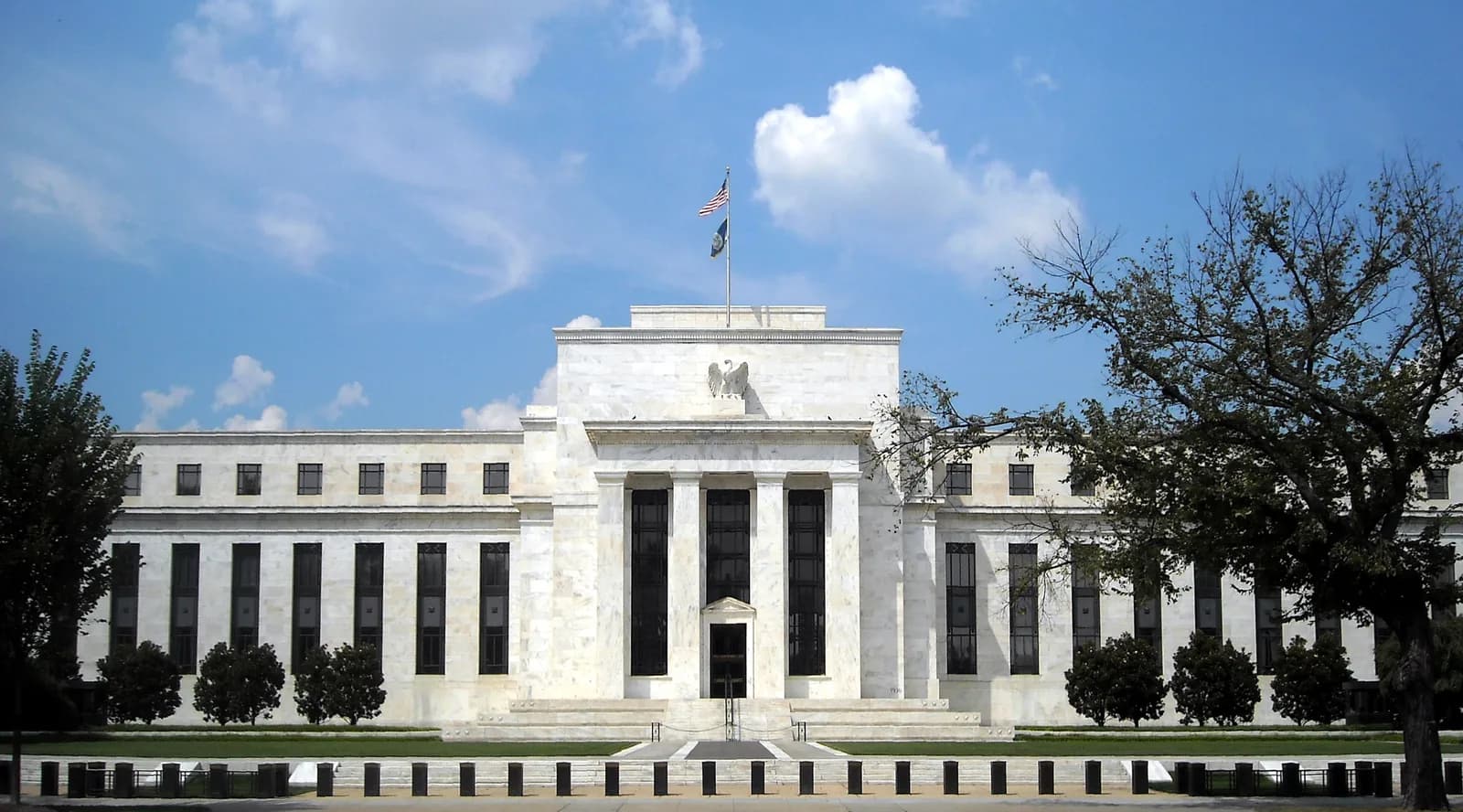
The Federal Reserve has entered the two-week window in which its policymakers may not speak publicly about policy, a stretch that began on November 28 and closes on December 10. The December 8-9 meeting follows immediately after that silence ends. According to CME Group data cited in the reporting, traders overwhelmingly expect the central bank to lift the target range for its benchmark rate by 25 basis points when the meeting concludes.[S1][S2]
Those bets rest on price data that has repeatedly come in above the Fed's goal. The central bank's preferred inflation measure climbed 3.8 percent over the year to October, far from the 2 percent objective, while core inflation, which leaves out food and energy, reached 3.3 percent. The reporting notes that inflation has now exceeded the target for five consecutive years.[S1][S2]
Waller warns price growth is spreading
Speaking to CNBC on November 20, Fed Governor Christopher Waller said inflation worried him greatly, noting that price pressures were heading the wrong way and widening across many goods and services rather than staying confined to a few segments. He added that he could even support a 50-basis-point hike. Governor Lisa Cook, who dissented from October's decision to hold rates, warned the central bank may lag behind developments, while Cleveland Fed President Beth Hammack called for a more resolute stance to keep inflation expectations from becoming entrenched.[S1][S2]
The November Beige Book, which gathers anecdotal reports from the Fed's 12 districts, found that prices rose moderately overall. Respondents flagged continuing cost pressure from energy, transportation, healthcare, insurance and tariffs, and said they expected expenses and prices to keep climbing in the months ahead. The survey was compiled before President Donald Trump proposed fresh tariffs of as much as 20 percent on major trading partners including China and the European Union.[S1][S2]
Understand this article deeper
Energy, trade and data centres add to the pressure
Several forces are pushing costs upward at once. Fed Vice Chair Phillip Jefferson, speaking at a conference in Brazil, listed a pandemic, a sharp energy price rise tied to geopolitical tension, changes to trade policy and a technological breakthrough as shocks of recent years. The reporting also points to the Iran war, which drove global oil prices as high as $120 a barrel earlier this year, and to the enormous data-centre buildout behind artificial intelligence, whose electricity demand is feeding into power prices.[S2]
Central bankers often disregard inflation caused by energy or tariffs on the assumption that it will pass quickly. The reporting says officials are now signalling readiness to act after evidence that price growth has persisted. Fed Chairman Kevin Warsh said after the October decision to keep rates unchanged that the institution remained committed to price stability, without setting out a path for future decisions, while other voting members of the committee argued for an increase in December.[S1][S2]