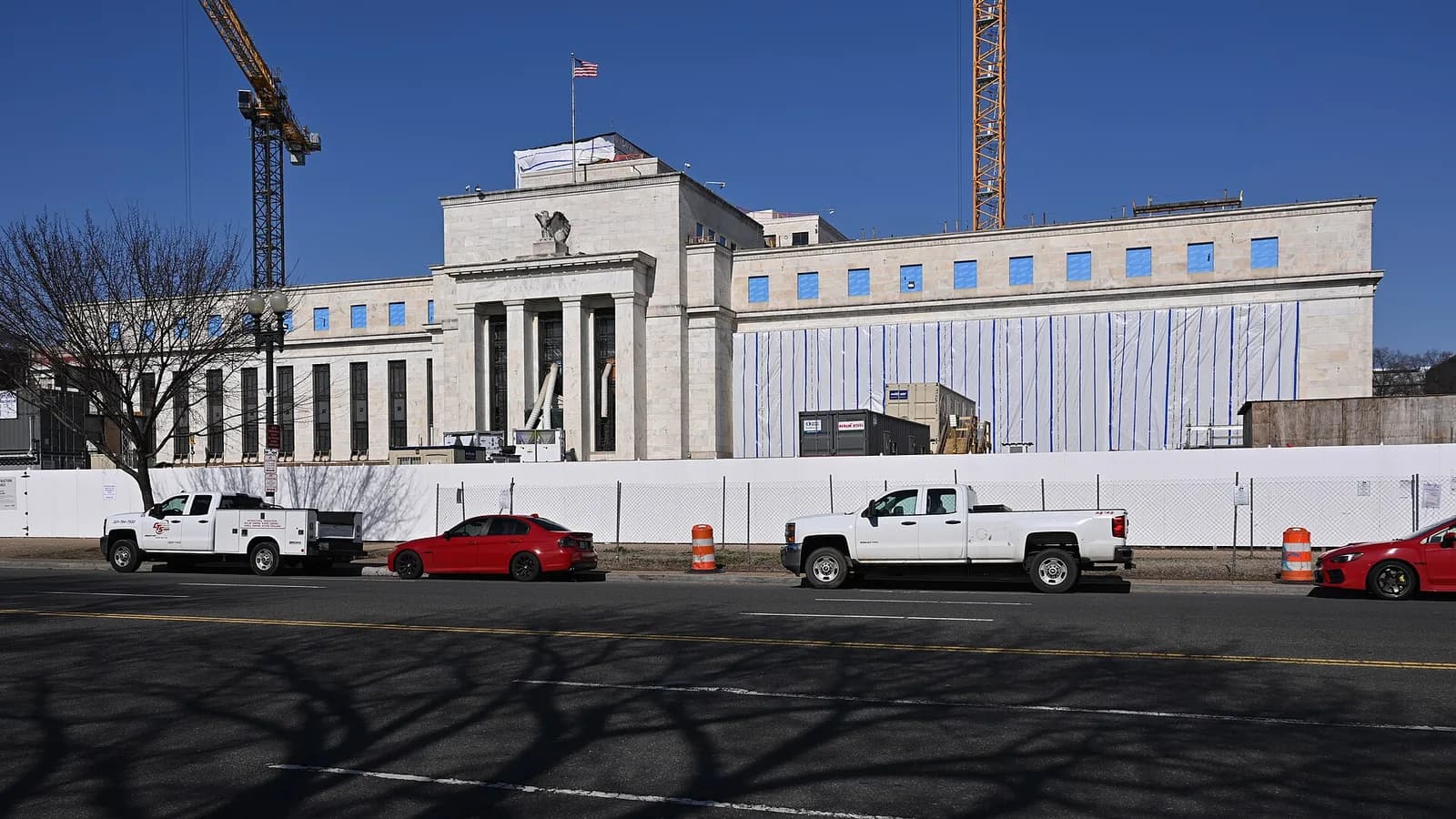
A pause that settles very little
The Federal Open Market Committee gathers on October 27 and 28, Eastern Time, against a backdrop of stubborn inflation and a labor market that has been losing momentum. As of October 22, the CME FedWatch Tool put the odds of an unchanged rate decision at about 90.6%, with roughly 9.4% pricing a quarter-point increase. The Fed last moved on September 16, lifting the target range by 25 basis points to 3.75%-4.00%.[S1][S2]
Price data complicate the picture. September headline consumer inflation reached 3.7% year on year, up from 3.4% in August, while the core measure climbed to 2.6% from 2.4%. Softer hiring, meanwhile, narrows how far the committee can tighten without damaging employment. Officials must weigh inflation, jobs and growth together as they pursue price stability alongside their employment mandate.[S1]
The September dot plot showed a median year-end funds rate projection of 4.1% for both 2026 and 2027, above the 3.8% and 3.6% seen in June. That shift signals a more hawkish mood about the rate path, though it does not bind the Fed to further increases. A pause in October therefore would not remove the possibility of another hike later, and attention turns to how the post-meeting statement frames December.[S1]
Why AI builders feel the rate path first
Higher policy rates tend to lift Treasury yields and corporate borrowing costs, which weighs most on richly valued growth shares. Building AI data centers and buying GPUs demands enormous capital, so financing expenses, the timing of projects coming online and the returns they generate have become central questions for investors.[S1]
Oracle illustrates the scale involved. In the first quarter of fiscal 2027 its capital expenditures ran to about $28.5 billion, free cash flow was negative $5.4 billion, and operating cash flow was roughly $23.1 billion, showing heavy spending alongside solid cash generation. CoreWeave leans more on outside funding for its data-center expansion; its net interest expense in the second quarter of 2026 was about $640 million, putting debt service in focus.[S1]
Understand this article deeper
A long stretch of elevated rates could raise the cost of fresh borrowing and refinancing for some companies, though the actual burden depends on when debt matures, whether rates are fixed or floating, and prevailing credit spreads. For AI infrastructure firms, the deeper test is whether revenue growth converts into profit and cash, and whether added capital spending earns a sensible return.[S1]
What to watch after the statement
If the Fed holds and suggests inflation is cooling gradually, growth valuations could find support. A surprise hike, or a hint that tightening may resume in December, would likely push Treasury yields and borrowing costs higher, adding pressure on expensive tech names and AI infrastructure companies that depend on large-scale financing.[S1]
Three gauges deserve attention. First, how rate futures reprice the December meeting. Second, Treasury yields and corporate credit spreads, which reveal shifting expectations and financing risk. Third, the capital expenditures, free cash flow and funding arrangements at companies such as Oracle and CoreWeave, which show whether AI spending is turning into real returns.[S1]
The October meeting matters less for whether a hike happens than for how the Fed shapes expectations about the months ahead. For AI-linked equities, the rate environment has to be read together with earnings, cash flow and investment returns, so no single decision can settle where prices go next.[S1]