Progress Toward Elimination
England is on the verge of becoming one of the first nations worldwide to eliminate hepatitis C, a virus that attacks the liver, according to recent figures. The NHS has already achieved the goal of treating 80% of all known cases, and deaths from the virus have dropped by 36% over the past decade, approaching the 2030 target.[S1]
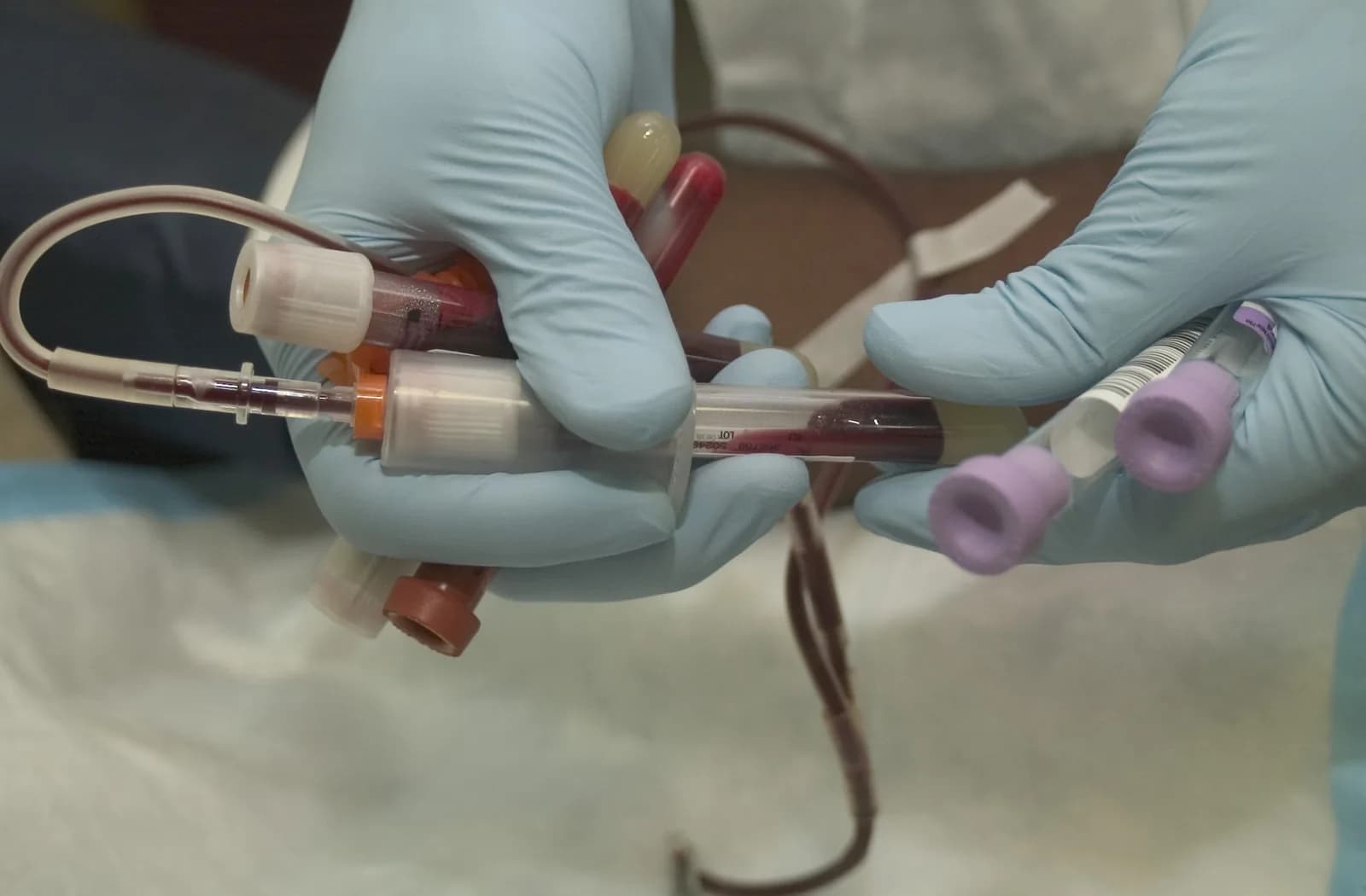
NHS England reports significant progress in hepatitis C diagnosis and treatment, with over 100,000 people diagnosed and treated since 2015, exceeding targets. Initiatives like blood tests in A&E and at-home kits have aided in identifying previously undiagnosed cases.[S1][S3]
Treatment and Testing Efforts
Treatment with antiviral tablets for 8-12 weeks achieves a cure rate of over 95%. Hepatitis C spreads through infected blood contact, like needle sharing. Often asymptomatic, it can lead to severe liver damage if left untreated.[S1][S3]
Individuals from certain Eastern European nations or those who got tattoos abroad are advised to take a free home test due to higher infection risks. People from countries like Ukraine, Romania, and others are urged to get tested as they may have been infected during medical procedures before 1991.[S1][S3]
Voices of Support and Personal Stories
England is poised to achieve a major public health milestone, with the NHS on track to eliminate hepatitis C ahead of the WHO's 2030 target, according to Professor Frankie Swords, NHS national medical director.[S1][S3]
A 65-year-old man from Blackburn, Lancashire, was diagnosed with hepatitis C after a routine blood test, despite feeling no symptoms. He credited the specialist team's support for making a significant difference and urged others at risk to undergo testing, highlighting that modern treatment is less intimidating than perceived.[S1][S3]