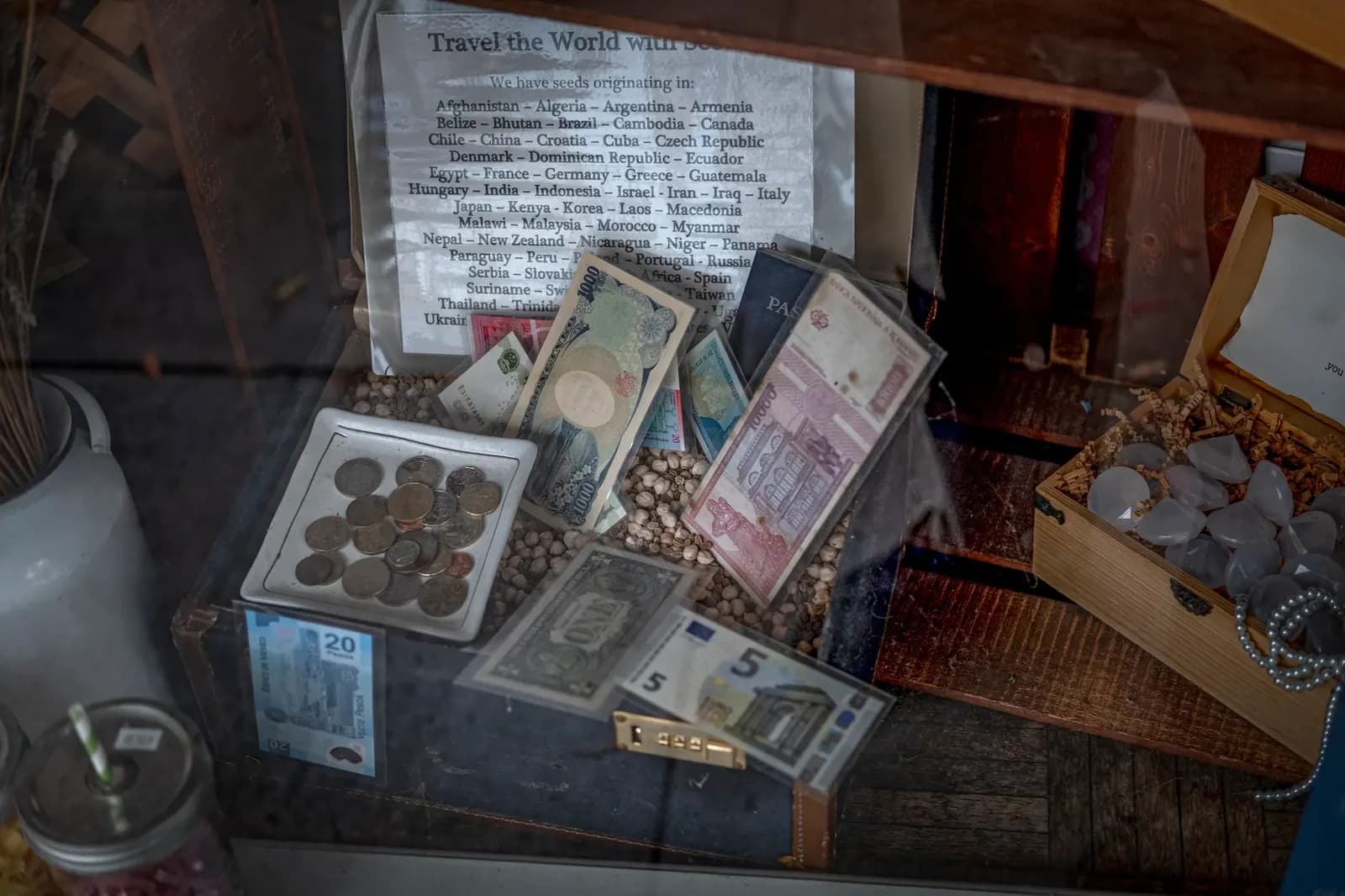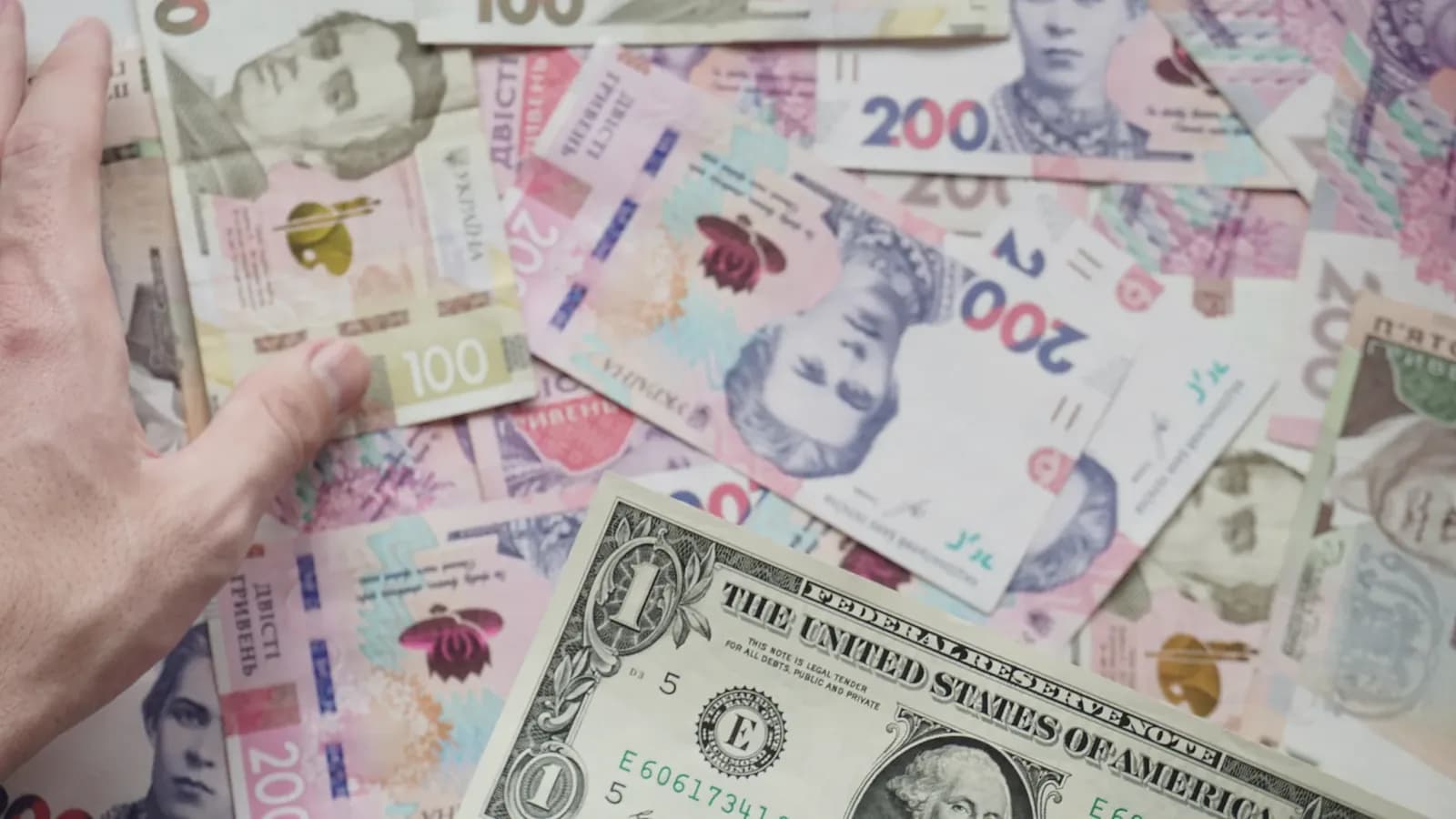
Blue and Official Dollar Quotes on September 10
On Thursday, September 10, 2026, the blue dollar is trading at 1,520 pesos for buying and 1,540 pesos for selling. The official dollar at Banco Nación is quoted at 1,485 pesos for purchase and 1,535 pesos for sale. The blue dollar circulates in the black market and typically carries a higher value than the official rate, as it is not available through banks or authorized exchange houses. Both the blue and official rates close at 3:00 PM, Monday through Friday.[S1][S2]
The blue dollar has decreased by 1% so far in September 2026 compared to the previous month. However, for the year 2026 to date, it has increased by 11% relative to 2025. The gap between the official and blue rates remains substantial, reflecting the difference between the regulated and parallel markets. The official rate is controlled by the Central Bank and has both retail and wholesale quotes.[S1]
Alternative Dollar Rates and Purchase Rules
As of 06:12 on September 10, 2026, other dollar rates include the card dollar at 1,995.50 pesos, the MEP at 1,531.39 pesos, the CCL at 1,599.89 pesos, and the crypto dollar at 1,620.07 pesos. The card dollar consists of the official rate plus a 30% withholding as an advance on income tax; until December 22, 2024, this surcharge was 60%. It applies to all transactions abroad, including services like Netflix and Spotify.[S2]
Since the lifting of currency controls on April 14, 2025, individuals can buy dollars at banks without limits, provided they have both a peso and a dollar account. According to Central Bank resolutions, users must notify the entity 48 hours in advance only for purchases exceeding US$100,000. For cash purchases at the counter, the limit is 100 physical dollars. The crypto dollar allows access to foreign currency through cryptocurrencies, operating outside the traditional exchange market and without regulation, making it a riskier and more speculative option.[S2]
Origins and Definitions of the Blue Dollar
The term blue dollar has several explanations. One suggests it is called blue because in English the word also refers to something dark. Another theory links it to purchases through bonds or stocks of companies known as blue chips. A third associates it with the approximate color that appears when a marker is used to detect counterfeit bills. The blue dollar is the one circulating in the black market and is not bought in banks or official exchange houses.[S1]