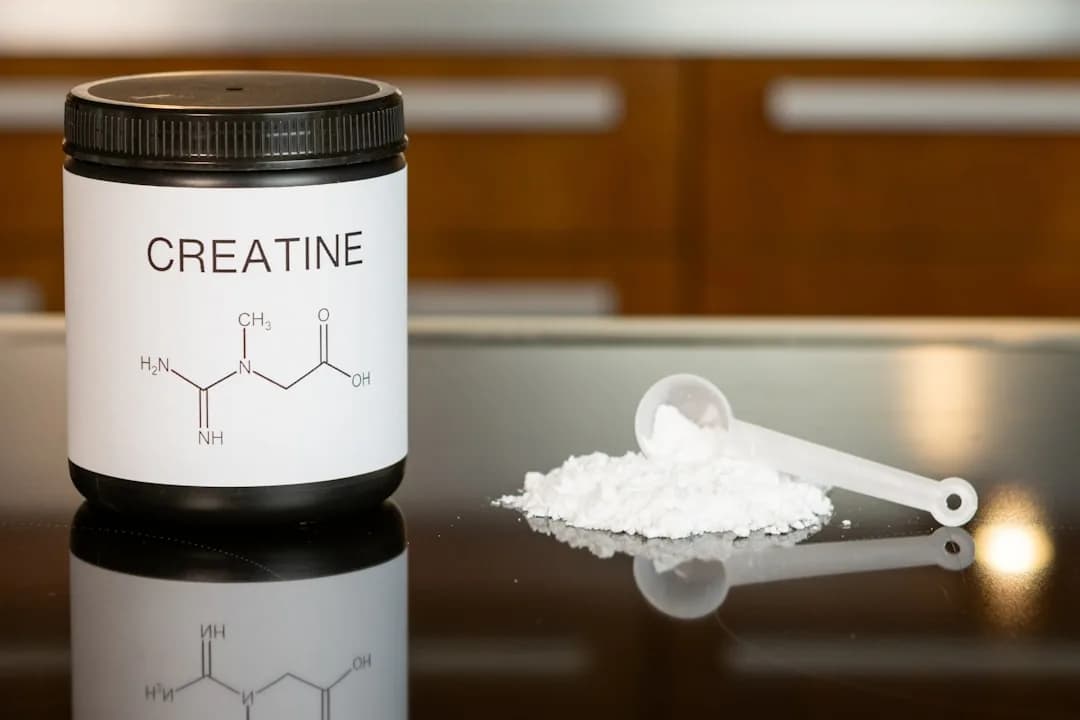
The Rise of Creatine
At the 1992 Olympics in Barcelona, whispers about a new 'secret weapon' began among British athletes. They were using creatine, a supplement that boosts muscle mass and performance without violating doping rules. Today, creatine is a common product on supermarket shelves and a staple for millions, backed by extensive research.[S1]
Creatine, a substance naturally made by the body, is also present in meat and fish. This compound offers a rapid energy boost for muscles, which is vital for brief, intense physical efforts such as sprinting. Creatine's popularity soared in the 1990s after researchers shared their discoveries with Steve Jennings, whose business supplied the British Olympic squad, resulting in its widespread use.[S1]
Supplements as the Final Piece
Professor Graeme Close, who oversaw nutrition for the British and Irish Lions tour, views supplements as the 'final piece of the jigsaw' rather than a starting point. He emphasizes that athletes who focus on a perfect diet often outperform those chasing small gains. Australian cyclist Nicole Frain agrees, saying supplements should support, not replace, a balanced lifestyle.[S1][S3]
Athletes commonly use protein powders, creatine, and vitamin D supplements. Carbohydrate gels played a pivotal role in Sabastian Sawe's historic sub-two-hour marathon, providing over 100 grams of carbs per hour. The global market for dietary supplements is booming, valued at a staggering $209.5 billion in 2025, and is expected to soar to $431.7 billion by 2033.[S1]
The 99 Percenters
Experts stress that supplements offer only small margins of benefit. Athletes who nail the '99 per-centers'—diet, training, sleep, recovery, hydration—often do better than those chasing the 'one per-centers'. Supplements are not a fix for fundamental problems, but they can help fill nutritional gaps when food alone is impractical.[S1][S3]