Funeral Arrangements and Security
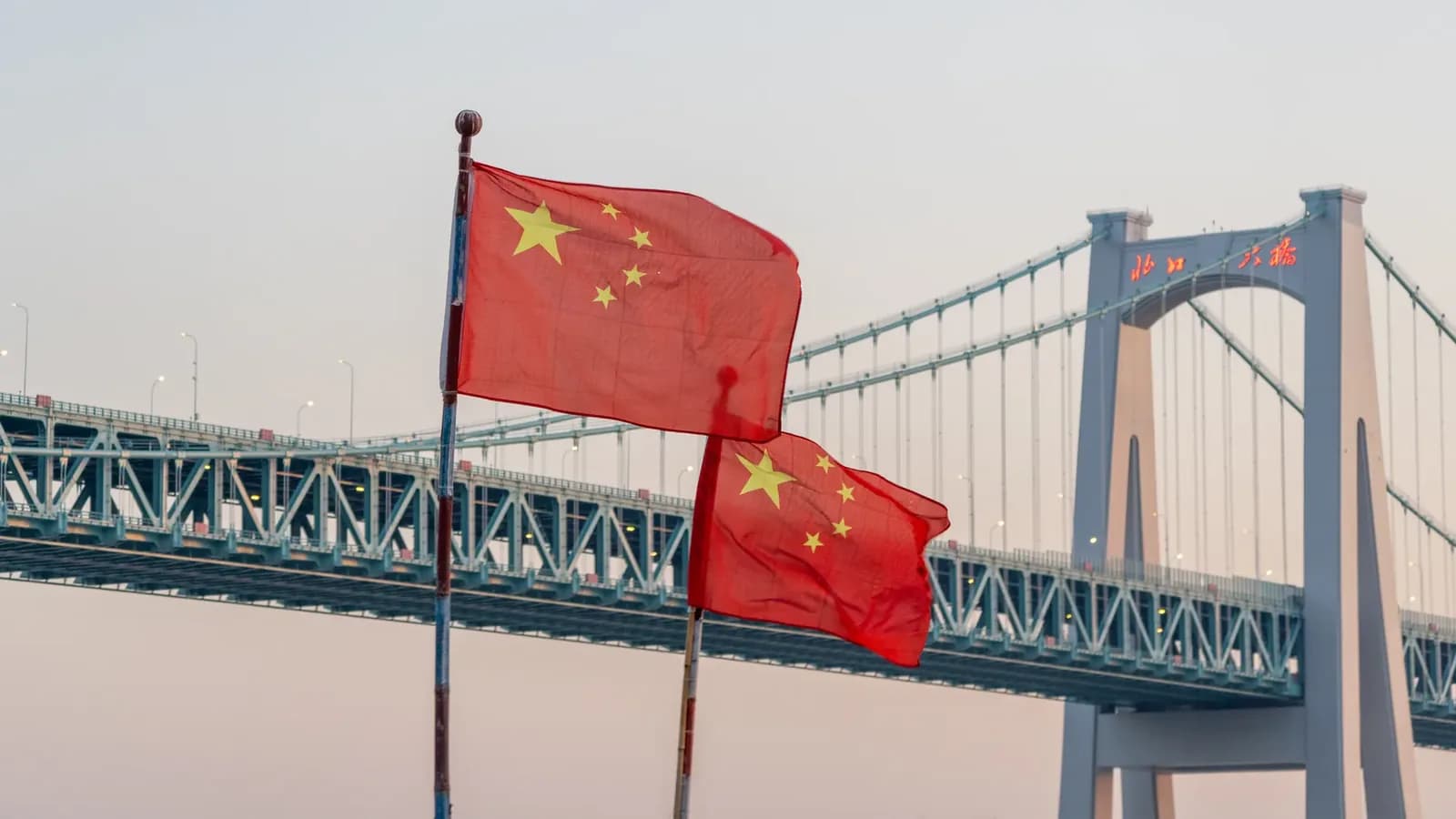
To pay tribute to former Premier Zhu Rongji following his death last week at 97, China flew national flags at half-staff at government offices on Tuesday, August 18. Authorities increased policing throughout Beijing, particularly near Tiananmen Square. This prominent landmark is situated along the path leading to the Babaoshan crematorium, the traditional site where the nation's high-ranking officials are cremated.[S1]
Economic Reforms and Legacy
Zhu Rongji, China's former vice premier from 1991-1998 and premier from 1998-2003, played a pivotal role in the country's economic transformation during the 1990s. He implemented measures to control inflation, strengthened tax and banking regulations, and initiated state-sector reforms, resulting in significant job losses. These efforts were instrumental in China's entry into the WTO in 2001, marking a new phase in its global economic integration.[S1]
Zhu Rongji, the former Shanghai mayor and premier, was known for his independent mindset. In 1988, he boldly declared to officials that he valued speaking his mind. This trait led to consequences in the 1950s when a three-minute speech resulted in the loss of his party membership for approximately 20 years.[S1]
Public Reaction and Historical Context
The passing of Zhu Rongji, the former premier, sparked a mix of emotions on Chinese social media. While many mourned his death, a few celebrated it. The government tightly controlled the public's response, as they have done with other former premiers' deaths in recent years. Security was heightened, and public displays of grief were closely monitored and censored, particularly around Tiananmen Square, a significant political location.[S1]
The passing of beloved former leaders has historically been a catalyst for public sentiment and unrest. A notable example occurred in 1976, when the death of Zhou Enlai brought tens of thousands to Tiananmen Square. Their initial grief transformed into a demonstration against the Cultural Revolution and its extreme leadership.[S1]