A tight race with regional echoes
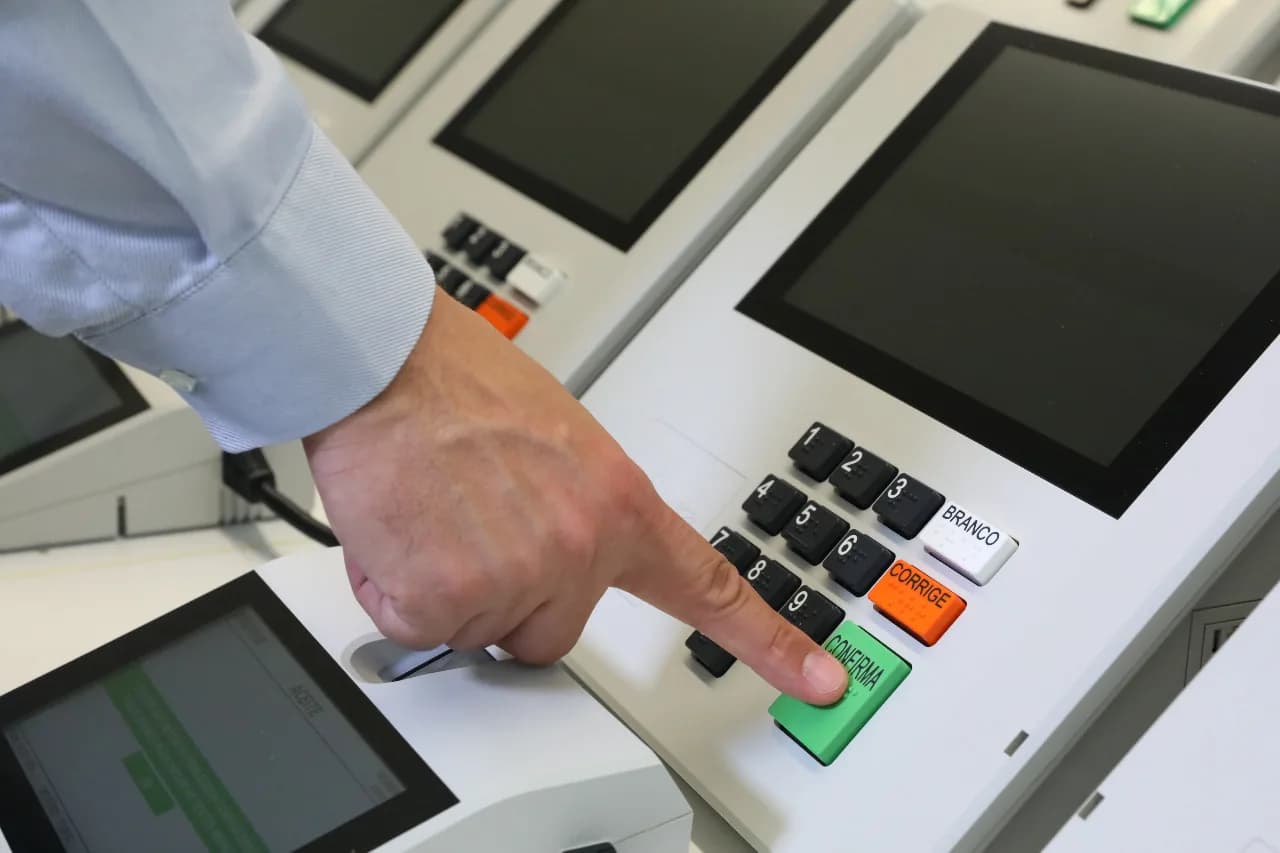
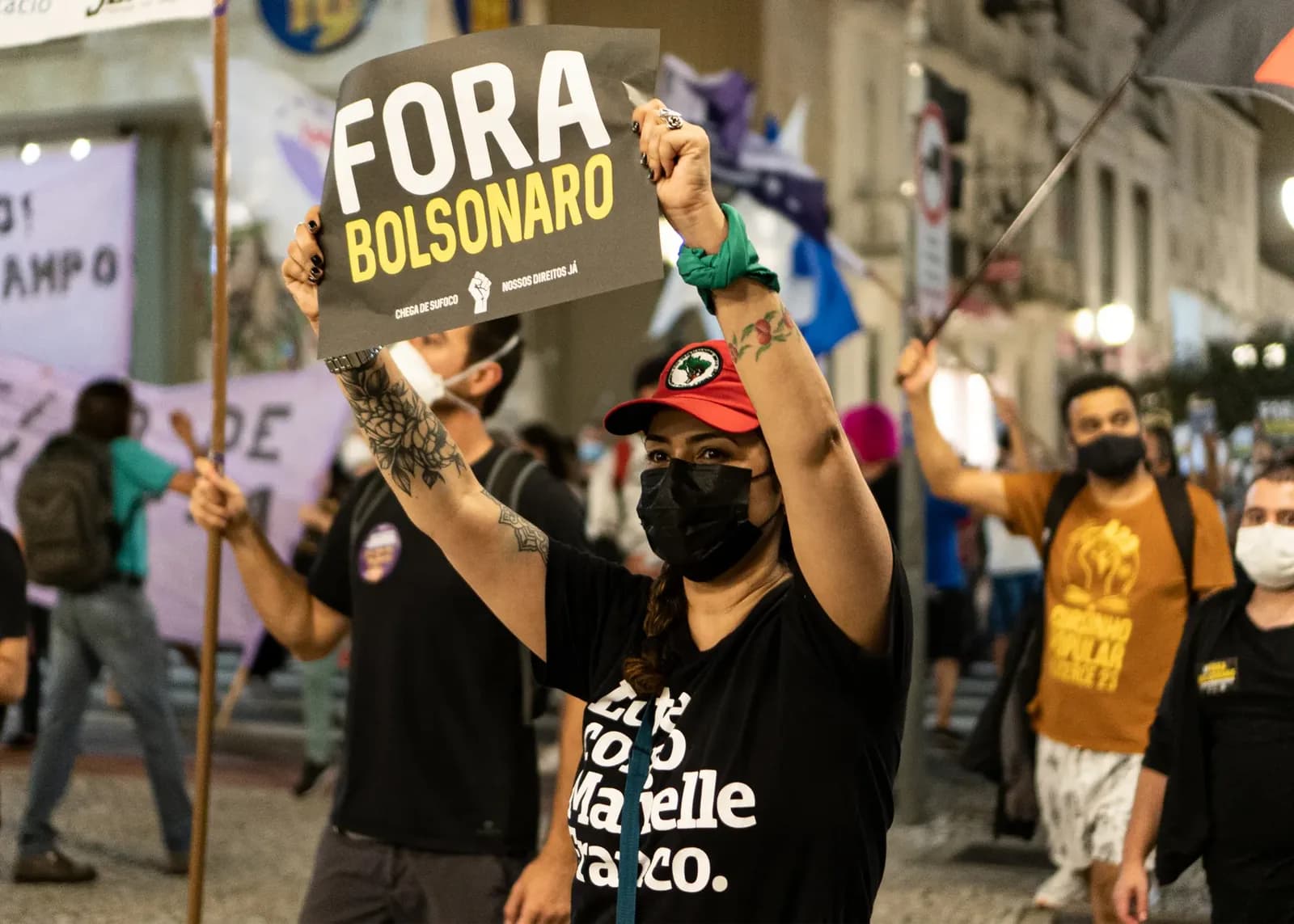
Recent electoral surveys show a narrow contest between Luiz Inácio Lula da Silva and Flávio Bolsonaro ahead of the vote on Sunday, October 4, when more than 158 million Brazilians are eligible to cast ballots. Polls released in recent days put the difference in several cases within the margins of error. The election will decide who holds the presidency for the next four years and will also set two competing approaches to the state's role, security, fiscal policy and energy development against each other.[S1]
Brazil votes after a series of Latin American elections in which right or center-right candidates and parties have won. This year, Abelardo de la Espriella won Colombia's presidential runoff on June 21, while Keiko Fujimori was elected president of Peru in the runoff on June 7. In Costa Rica, Laura Fernández won the presidential election in the first round on February 1. In 2025, José Antonio Kast won Chile's presidential runoff, Daniel Noboa was reelected in Ecuador, Rodrigo Paz won Bolivia's runoff and Nasry Asfura was declared president-elect of Honduras.[S1]
Security: integration versus punishment
Flávio Bolsonaro, 45, is the political heir of former president Jair Bolsonaro, who was sentenced to 27 years in prison for the attempted coup against Lula da Silva on January 8, 2023. He is seeking to turn Brazil back to the right with promises that have delivered results for leaders of that current in the region. He pledges to shrink the central government through ministerial cuts, as Argentina's Javier Milei, Ecuador's Daniel Noboa and Colombia's De la Espriella did. He also backs a hard-line policy against organized crime, with the construction of mega-prisons in the style of El Salvador's Nayib Bukele and the designation of drug-trafficking organizations as terrorist groups, following the steps of the United States' Trump. On energy, he envisions expanding the exploitation of resources such as oil and gas.[S1]
Lula, 80, acknowledges the need to act against organized crime, but starting from intelligence and prevention rather than a punitive approach. On security, he proposes strengthening the Unified Public Security System (SUSP) to integrate and coordinate security actions across levels of government. He also proposes 10 billion reais (US$1.9 billion) in repayable financing from the National Fund for Investment in Social Infrastructure (FIIS) so that states can invest in security infrastructure and equipment. Flávio Bolsonaro promises to declare the First Capital Command (PCC), the Red Command (CV), militias and other factions as narco-terrorist organizations, and to block their assets to attack their funding sources. He wants to build five new federal maximum-security prisons inspired by El Salvador's model and create 500,000 new places in the prison system in four years.[S1]
Economy: progressive taxation versus cuts
On the economy, Lula proposes financing economic development with greater tax progressivity, so that those with higher incomes pay proportionally more, and combating distortions in the tax system. He also backs keeping the new fiscal framework (2017) to control spending growth without harming social policies and to preserve room for public investment. Flávio Bolsonaro, in what appears to be an adaptation of Milei's chainsaw or Noboa's machete, promises a tesouraço, or scissor cut, to reduce at least ten ministries and, more broadly, the size of the central government. Contrary to Lula, he wants to cut taxes, though it is not explicit whether this would benefit the wealthiest, and to replace the current fiscal framework.[S1]
Energy and the environment: two directions
Lula proposes developing productive chains linked to the green economy and moving toward a transition to a low-carbon economy, while also aiming for zero deforestation in the Amazon. He defends the exploitation of the presalt as part of an energy sovereignty strategy, despite the advance of the transition to cleaner energy sources. Flávio Bolsonaro promises to expand hydrocarbon exploitation and process critical minerals domestically, without neglecting clean energies. He also proposes speeding up environmental licensing and providing greater legal certainty to investors, in addition to modernizing legislation to favor the construction of data centers in the country.[S1]