A Bond role and an expired Batman obligation
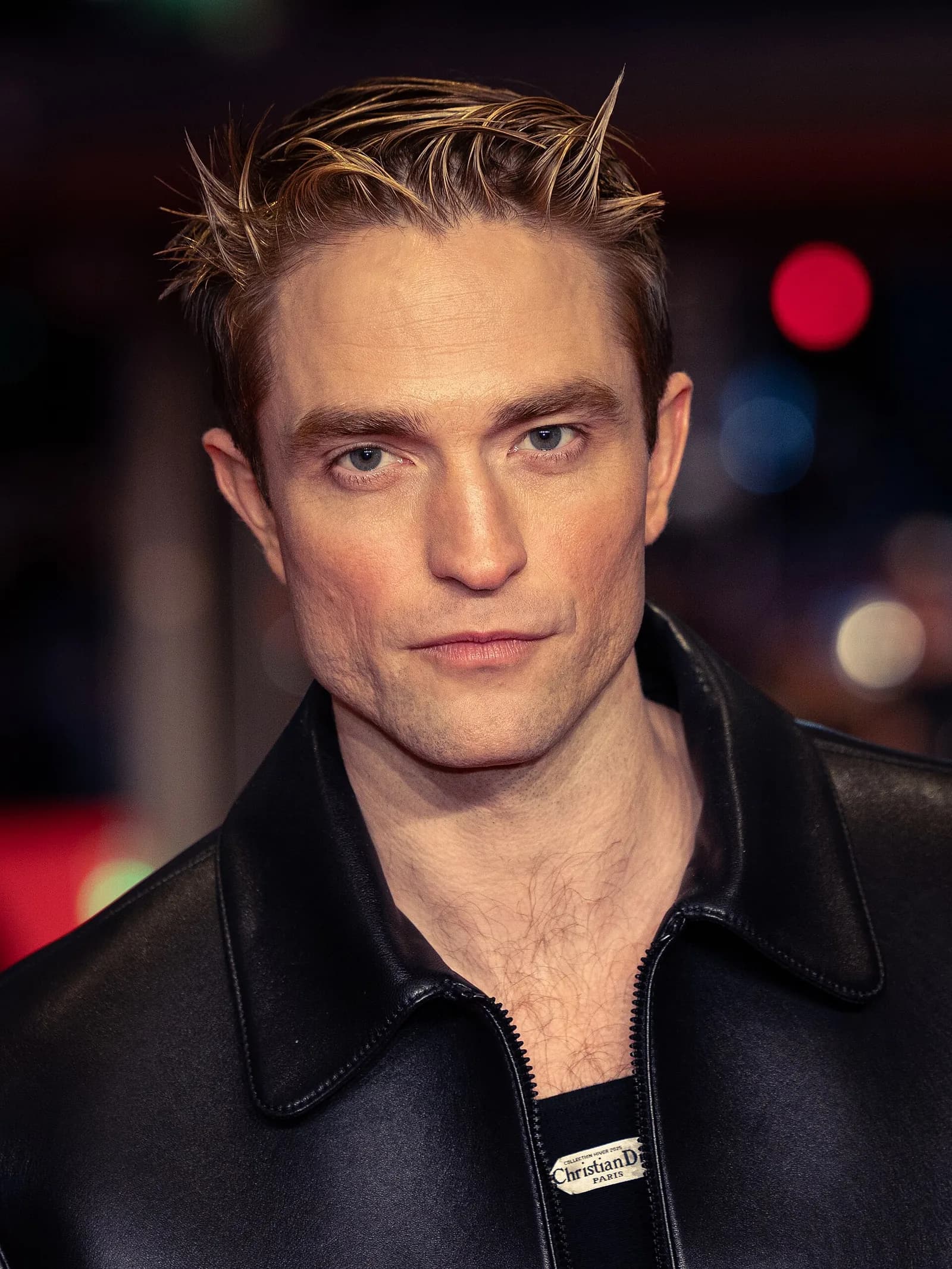
Robert Pattinson, the 40-year-old English actor, has been named the new James Bond, prompting speculation about whether one performer can carry both 007 and Batman. The answer is not obviously no: the article notes his poise, charisma and steel, and suggests protecting Gotham could fit between Bond assignments. Overshadowed by that casting news was a less welcome development for Gotham's residents, reported by the Wrap.[S1]
According to that report, postponements to The Batman: Part II have ended Pattinson's contractual requirement to appear in a third film. The sequel is now scheduled for February 2028, almost six years after the first instalment. He is free to sign a fresh agreement, but Warner Bros would have to convince its lead actor to remain in the role.[S1][S2]
How the franchise's certainties eroded
When The Batman reached cinemas four years ago, critics praised its gloomy fusion of detective noir and superhero spectacle, and the studio's commitment seemed beyond doubt. The film grossed more than $770m worldwide and appeared to launch a trilogy that might eventually rival Christopher Nolan's Dark Knight triptych. Much has shifted since.[S1]
Matt Reeves, the director, stepped away from the sequel's principal photography in October to deal with a family matter, and Steven Soderbergh was brought in to complete filming. Reeves has said he stays committed to the project, yet the change of director adds further uncertainty. Separately, David Ellison's Skydance takeover of Warner Bros has reshuffled DC Studios: James Gunn and Peter Safran have left, and Jeremy Latcham, formerly a Marvel executive, now leads.[S1]
The new management wants DC's superhero universe to advance more quickly, which may work against keeping two separate Batmen. Gunn and Safran had planned a different, non-Pattinson Batman for a project called The Brave and the Bold, running alongside Reeves's standalone films. Whether Latcham shares that enthusiasm is unclear.[S1]
Understand this article deeper
Why one Batman may be easier than two
There is a case for halving the number of Batmen. For decades Gotham's defender has operated by his own rules, with successive directors permitted to reinvent him while Warner Bros struggled to build a coherent world around Superman, Wonder Woman and the rest of the Justice League. For a studio eager to match Marvel's interconnected storytelling, a separate and apparently incompatible Batman may look like needless complexity.[S1]
Still, merging Reeves's Batman with Superman's world is questionable. The director's caped hero inhabits a perpetually drenched metropolis ruled by crooked officials, gangsters and murderers, a setting in which an alien conqueror would feel incongruous and might undermine the mood so carefully established. Reeves has emphasised the sleuthing side of the character instead of portraying a wealthy man who now and then dabbles in local crime.[S1]
Two franchises, one actor, no guarantee
None of this rules out Pattinson playing both parts. Bond will probably absorb much of his working life for years, but Reeves's films have not been arriving quickly. Harrison Ford, after all, played both Han Solo and Indiana Jones. The larger question is whether Pattinson wants to lead two of cinema's most demanding franchises now that he is no longer contractually bound to finish the Batman trilogy.[S1]
There would be an irony in Warner Bros shedding one of its few truly individual superhero franchises just as the broader DC line-up was finding its footing. Pattinson could perhaps still be won back, and both the studio and Skydance ought to be working hard to secure that, yet given years of postponements, turmoil and changing strategies, nothing about his return can be taken for granted. Bond is famed for his licence to kill; it would be an odd turn if Batman were his first casualty.[S1]