Diller Abandons MGM Privatization Effort
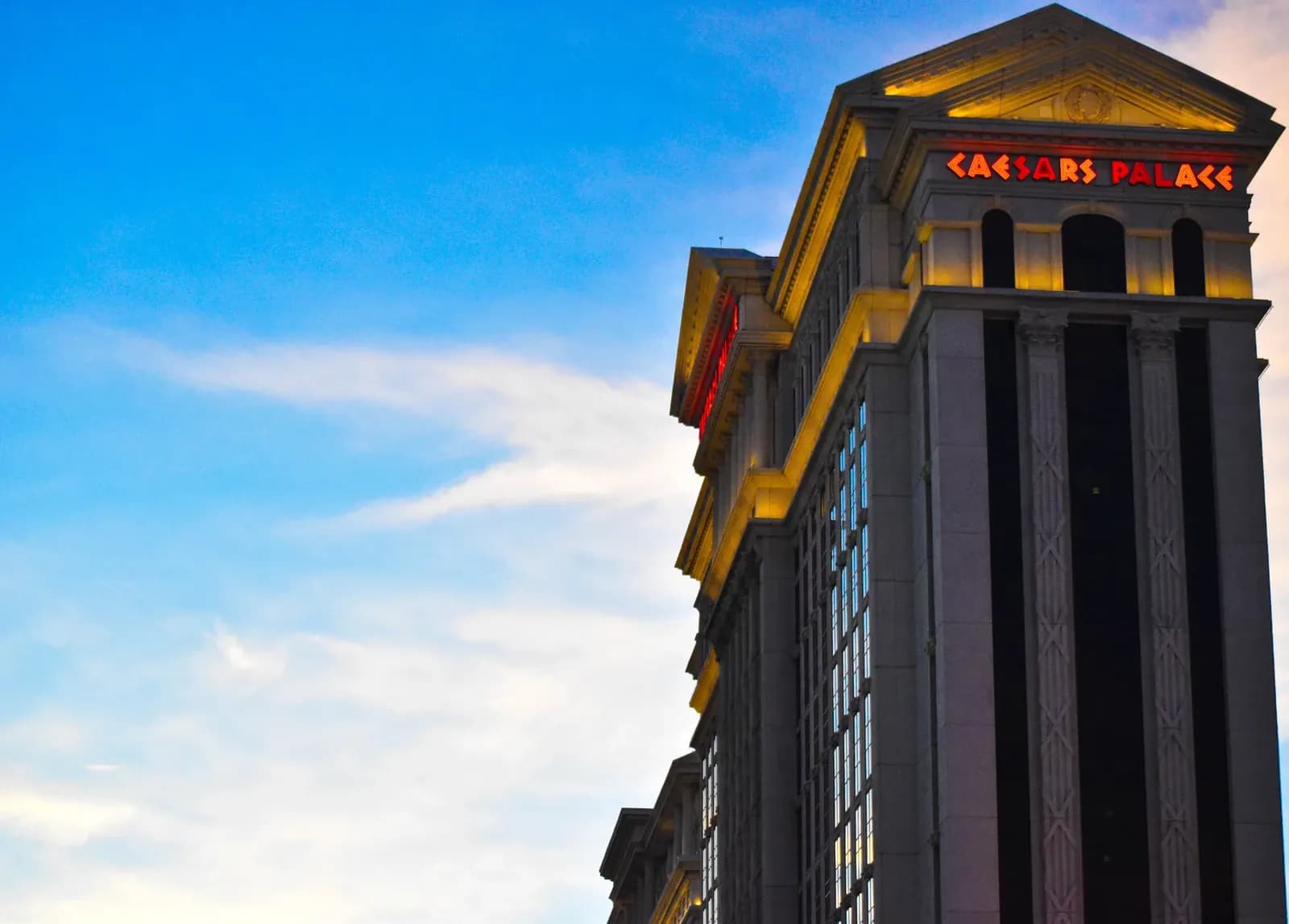
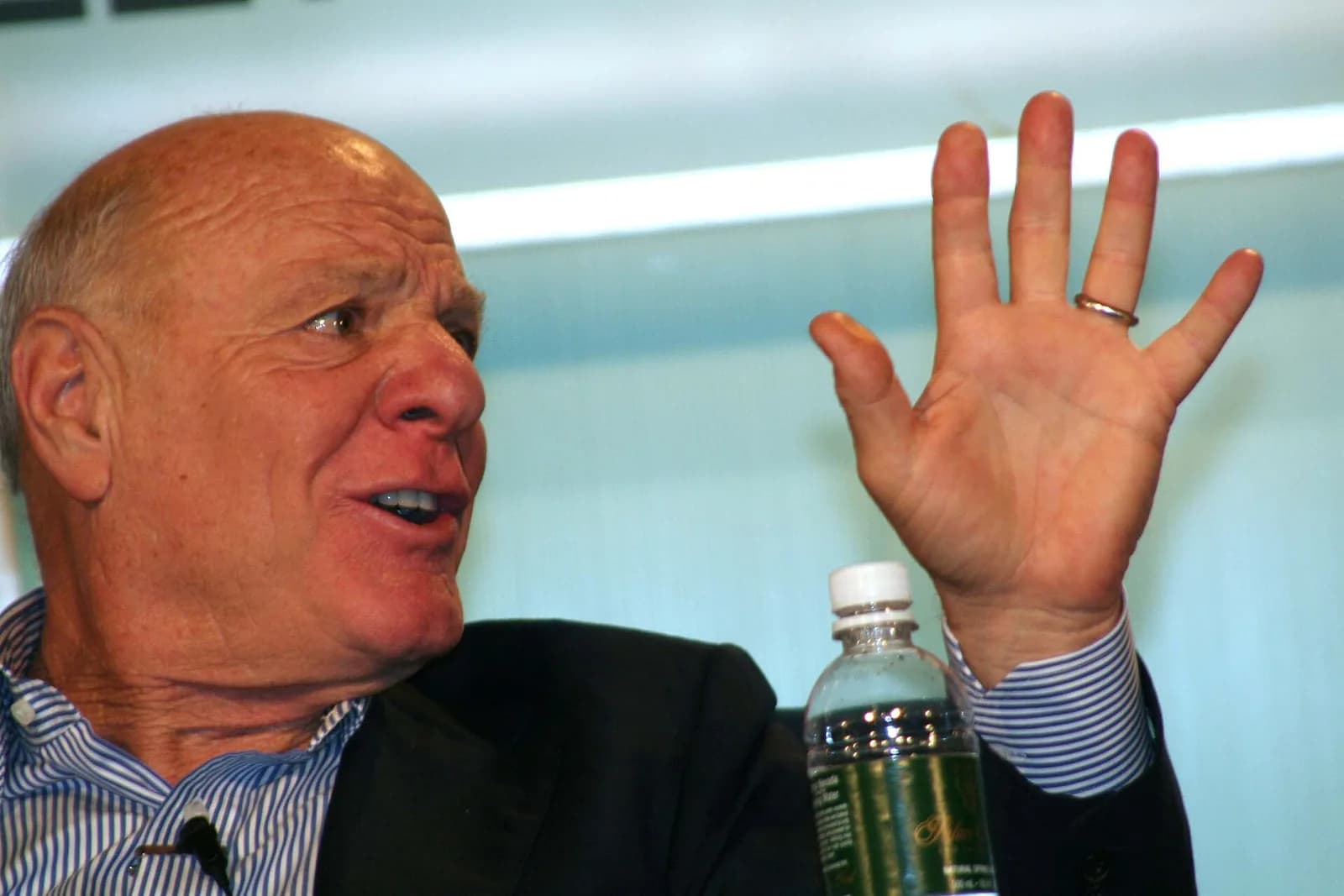
Barry Diller has withdrawn his bid to take MGM Resorts International private, a deal valued at nearly $20 billion. The decision came just one day after shareholders of Caesars Entertainment approved a buyout by billionaire Tilman Fertitta. MGM's properties, including Aria, Bellagio, Cosmopolitan, Excalibur, Luxor, MGM Grand, Mandalay Bay, New York-New York, and Park MGM, will remain under the publicly traded company. The failed acquisition was described as an $18 billion privatization attempt.[S1]
Andrew Woods, director of the UNLV Center for Business and Economic Research, attributed the collapse to the deal's financing structure. He noted that Diller relied heavily on debt to fund the takeover, which became unworkable given current economic conditions. UNLV gaming historian David Schwartz added that Diller is now assessing the situation differently than when he initially made the offer. Despite the withdrawal, Schwartz pointed out that Diller remains a significant shareholder in MGM, indicating he still has a substantial interest in the company and has not ruled out acquiring it outright in the future.[S1]
Market Reaction and Industry Outlook
The market responded quickly. Gokce Soydemir, an economist at Stanislaus State University, forecast that MGM shareholders would lose value, and the stock dropped almost 11 percent to $33.69, a fall of over $4 from the prior day. Soydemir had projected a 10 to 12 percent decline. Still, he pointed out that MGM's operations in China and elsewhere generate revenue that sustains the company, together with its Las Vegas properties.[S1]
Soydemir and Schwartz both said the withdrawal probably won't cause widespread layoffs. Schwartz characterized the near-term situation for employees as steady, implying a status quo that could benefit workers. Soydemir agreed that the properties will remain open, so jobs won't face a major blow. Woods noted that the retreat doesn't signal investors are giving up on gaming; it still demonstrates that gaming remains an attractive sector for investment. He warned, however, that absent new capital, MGM might face longer-term consequences for its expansion capacity.[S1]
Analysts cautioned that if MGM or other casino operators ever require a cash infusion, they might resort to selling assets or cutting staff. Woods floated this as a possible tactic for Fertitta and Caesars Entertainment as they try to manage debt left over from their buyout. Regarding tourism, the experts said how much cash businesses have available strongly influences their spending on marketing and promotions to draw visitors. Inflation and fuel prices were also named as important variables, with costlier fuel likely to raise travel expenses.[S1]