Violence in Soweto and Durban
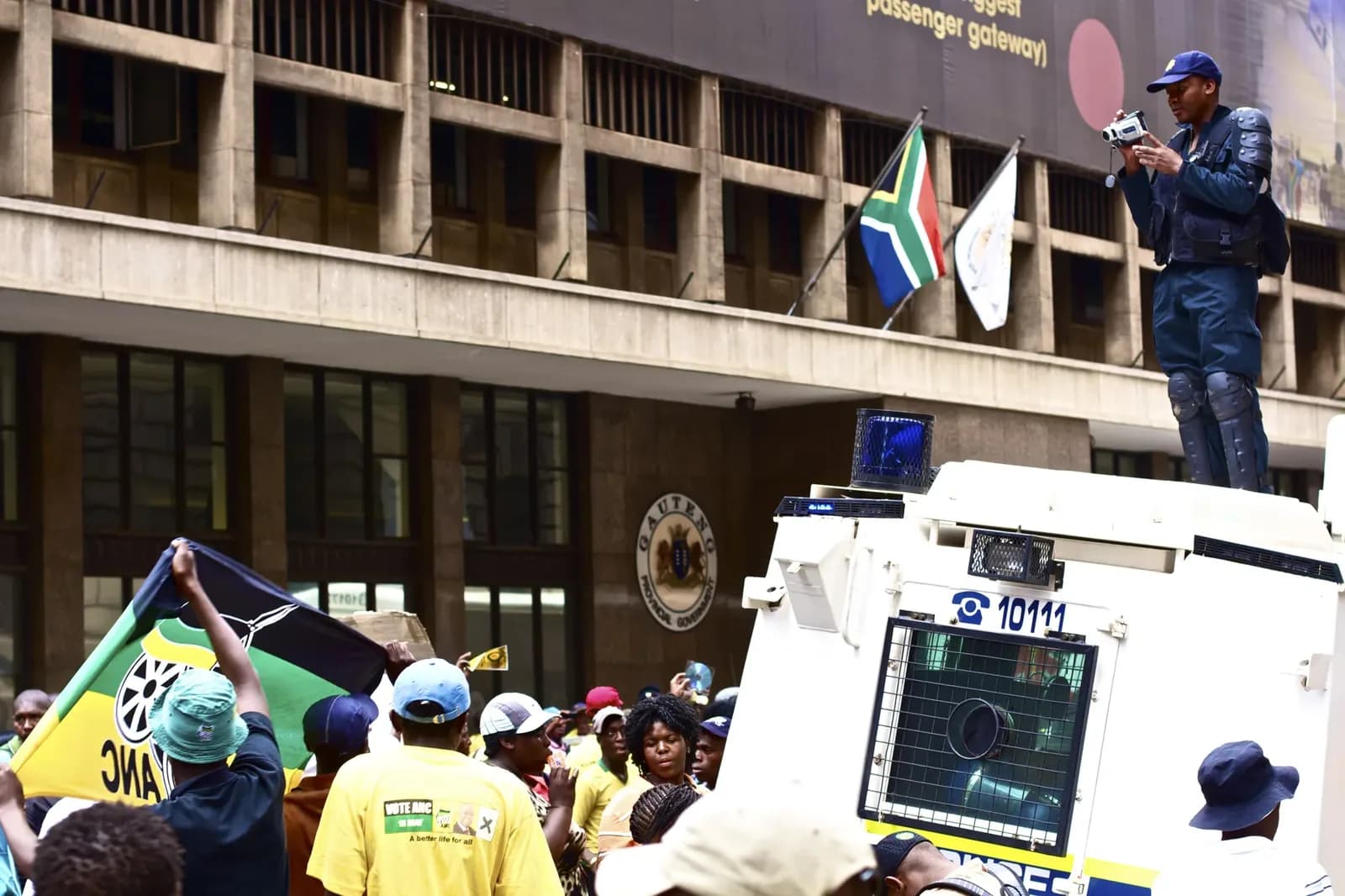
Police reported that at least 24 vehicles were set alight and shops belonging to foreigners were looted across South Africa on Thursday, when demonstrations against immigration escalated into violence in two large cities. Confrontations broke out in Soweto, a sprawling township on the edge of Johannesburg, and in Durban, a major east-coast port. Ten vehicles were burned in Soweto, where gunfire was also heard as residents clashed with foreign shopkeepers, while 14 were torched in Durban.[S1][S2][S3][S4][S5][S7]
In Durban, the demonstration became violent after claims surfaced that a foreign national had attacked one of the protesters. Police detained three foreign nationals over the alleged assault. A crowd assembled outside a government refugee reception centre in the city, located in KwaZulu-Natal province, calling for an end to the acceptance of asylum applications. Officers used rubber bullets to break up the crowds as central businesses closed. Local senior police officer Xolani Fihla told state broadcaster SABC that foreign nationals and South Africans had clashed there, adding that no injuries had been reported at that point.[S1]
In Orlando West, a Soweto neighbourhood, residents first came together to call for the shutdown of small convenience stores, locally called spaza shops, that are run by foreign nationals. According to local media, protesters pushed foreign traders out of certain areas, shops came under attack and a building was set alight. Acting national police commissioner Lt Gen Puleng Dimpane criticised the damage to property. Police said additional officers had been sent in to stop further violence, and authorities pledged to track down those responsible.[S1]
Court ruling and disinformation
The violence follows a July decision by South Africa's Constitutional Court, the nation's top court, which invalidated rules that had blocked some people from applying for asylum based on how they entered the country or because they missed immigration deadlines. Under the ruling, asylum seekers must be permitted to lodge applications even when they arrived in South Africa without the necessary documents. Hundreds of people have since gathered at refugee reception centres, stoking anger among anti-immigration campaigners who worry the decision will spur undocumented migration.[S1][S8]
Government spokesman William Baloyi told Reuters that false claims about the judgment had been spread deliberately, giving the impression that undocumented migrants would automatically receive legal status. Baloyi stressed that the ruling does not grant migrants refugee status automatically, nor does it give them a permanent right to stay in South Africa. According to officials, each application will still be evaluated on its own merits, and applicants will continue to face immigration checks.[S1][S6]
Background of xenophobic violence
South Africa has seen recurring waves of xenophobic violence, frequently aimed at migrants from neighbouring countries. The protests drove tens of thousands of migrants to leave, some of them going home under repatriation schemes run by their governments. For close to twenty years, South Africa has grappled with xenophobic attacks. During widespread assaults on foreign nationals in 2008, more than 60 people lost their lives and tens of thousands were displaced.[S1]
The most recent unrest is unfolding amid broad poverty, stark inequality and joblessness that affects about one-third of the workforce. Migrants are often blamed for taking jobs, driving crime and straining public services, even though researchers say such broad accusations are not backed by evidence. Despite its economic troubles, South Africa continues to be one of the continent's leading destinations for migrants in search of work, safety and better prospects.[S1]