An invitation declined in Ankara
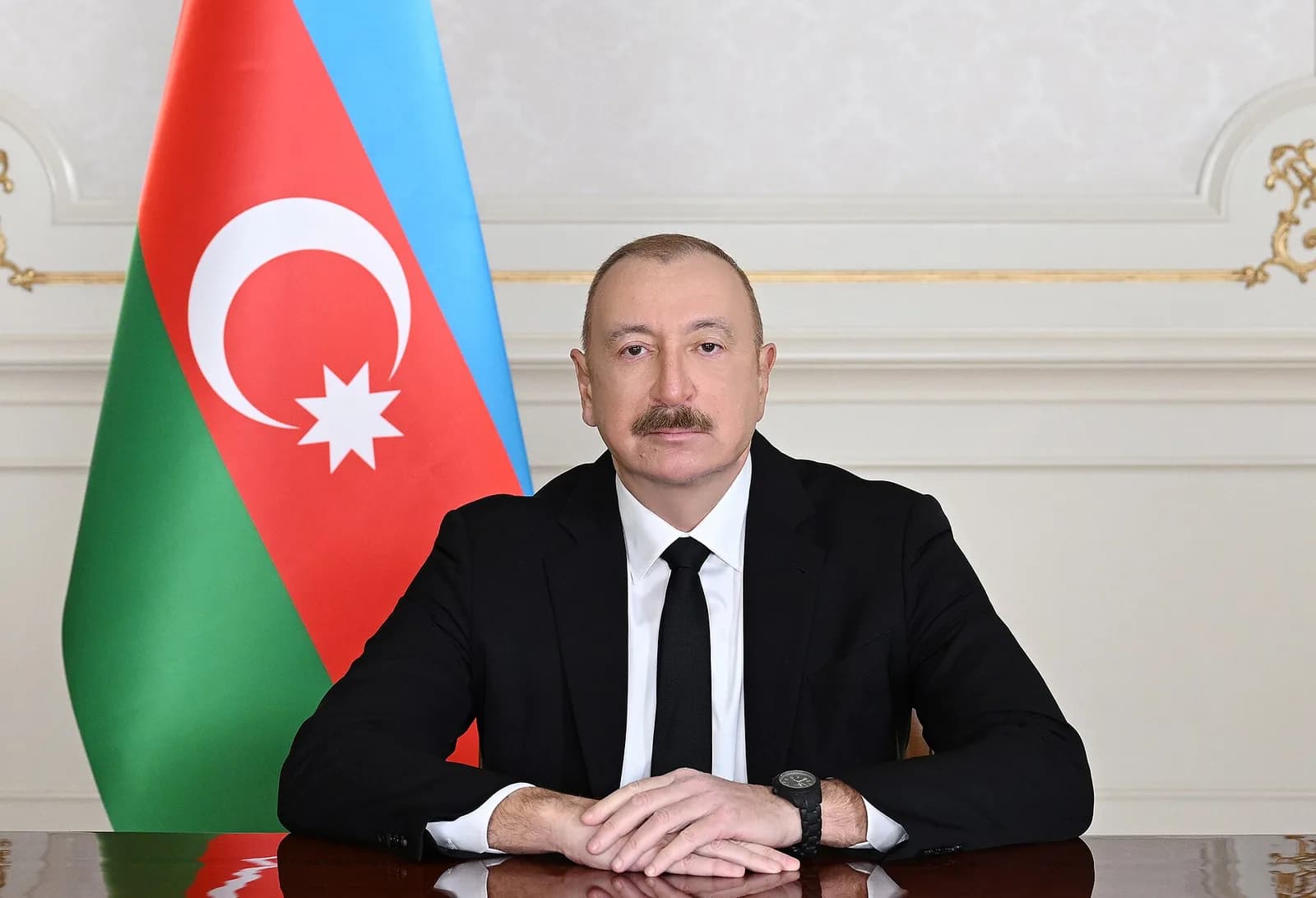
Azerbaijani President Ilham Aliyev stayed away from a gathering of Turkic states held in Ankara on Friday, according to Reuters, even though Turkish President Recep Tayyip Erdogan had extended a personal invitation by telephone the previous week, Erdogan's office said. Foreign Minister Jeyhun Bayramov took Azerbaijan's place at the meeting. Speaking after Erdogan, Bayramov made no reference to the friction and thanked Turkey for hosting the event.[S1][S2][S3]
Erdogan used his opening address to stress cohesion among the participating countries, which he described as bound by language, culture and shared roots, and he did not single out Azerbaijan. Turkey's presidency and foreign ministry did not answer requests for comment, and Baku issued no official statement. The Azeri-Press Agency, without citing sources, attributed Aliyev's absence to commitments arranged earlier and a crowded work calendar, including a ceremony and festival tied to the FIFA U-15 World Cup in Baku.[S1]
Headscarves, Israel and a deeper rift
Relations have come under pressure in recent weeks after some Turkish officials criticised Baku's move to limit headscarf use under new secular rules for school uniforms. Aliyev and other Azerbaijani officials cautioned against outside meddling in the country's affairs without naming Turkey, an unusual crack in an alliance whose members often describe themselves as two states of one nation. Erdogan this week dismissed one of his advisers, Oktay Saral, after Saral publicly attacked the headscarf decision.[S1]
The two governments also diverge on Israel: Ankara condemns Israeli conduct in Gaza, while Baku maintains strong relations with Israel. Further strain appeared this month when Azerbaijan's foreign ministry designated 31 Turkish citizens as unwelcome on its territory because of social media posts critical of Baku. Turkish Foreign Minister Hakan Fidan, after meeting Aliyev at a summit in Baku, said false information about the bilateral relationship was circulating online and argued that allies can air disagreements civilly.[S1]
Gonul Tol, who directs the Turkish programme at the Washington-based Middle East Institute, wrote on X that the summit absence was the newest indication of mounting friction. She said disagreements have long run beneath the two-states-one-nation language, citing Azerbaijani sovereignty, Ankara's leverage in Baku, contrasting approaches to Israel and Turkey's moves toward normalising relations with Armenia, and she called the headscarf row a symptom of a deeper rift.[S1]
What the alliance stands to lose
The partnership is one of the region's closest. Turkey stood behind Azerbaijan during the 2023 Nagorno-Karabakh war, and the two have developed extensive defence and energy cooperation, with Ankara among the leading purchasers of Azerbaijani natural gas. A serious rupture could weaken Turkey's effort to expand its reach in a region where Russia has traditionally been dominant.[S1]
Ankara has been pursuing normalisation with Armenia, but it has tied progress to peace efforts between Baku and Yerevan, and Turkish officials have said they are watching for movement there before taking concrete steps such as reopening the border with Armenia.[S1]