A new form of copying built on cheap AI tools
Social media users increasingly ask whether a clip is genuine or machine-made, and the answer is often hard to establish. A newer pattern involves AI-generated characters appearing in videos that closely mirror posts from real performers. Musicians, dancers and comedians are among those whose routines have been reproduced by these figures, which are built to seem amusing, lifelike or overtly sexualised. Researchers describe the technique as reskinning and attribute it to inexpensive, simple AI software. Creators typically learn of it when they see a character delivering the same joke or dance, occasionally against an identical backdrop, and sometimes with far larger audiences than their own.[S1][S2]
BBC Verify identified accounts that seem to use such videos to accumulate views and likes, with the eventual aim of earning money. Other operators appear to be testing the technology for laughs or for the attention that viral success brings. Either way, the practice has provoked anger among creators who regard their material as stolen.[S1]
Guitarist sees her performances turned into avatars
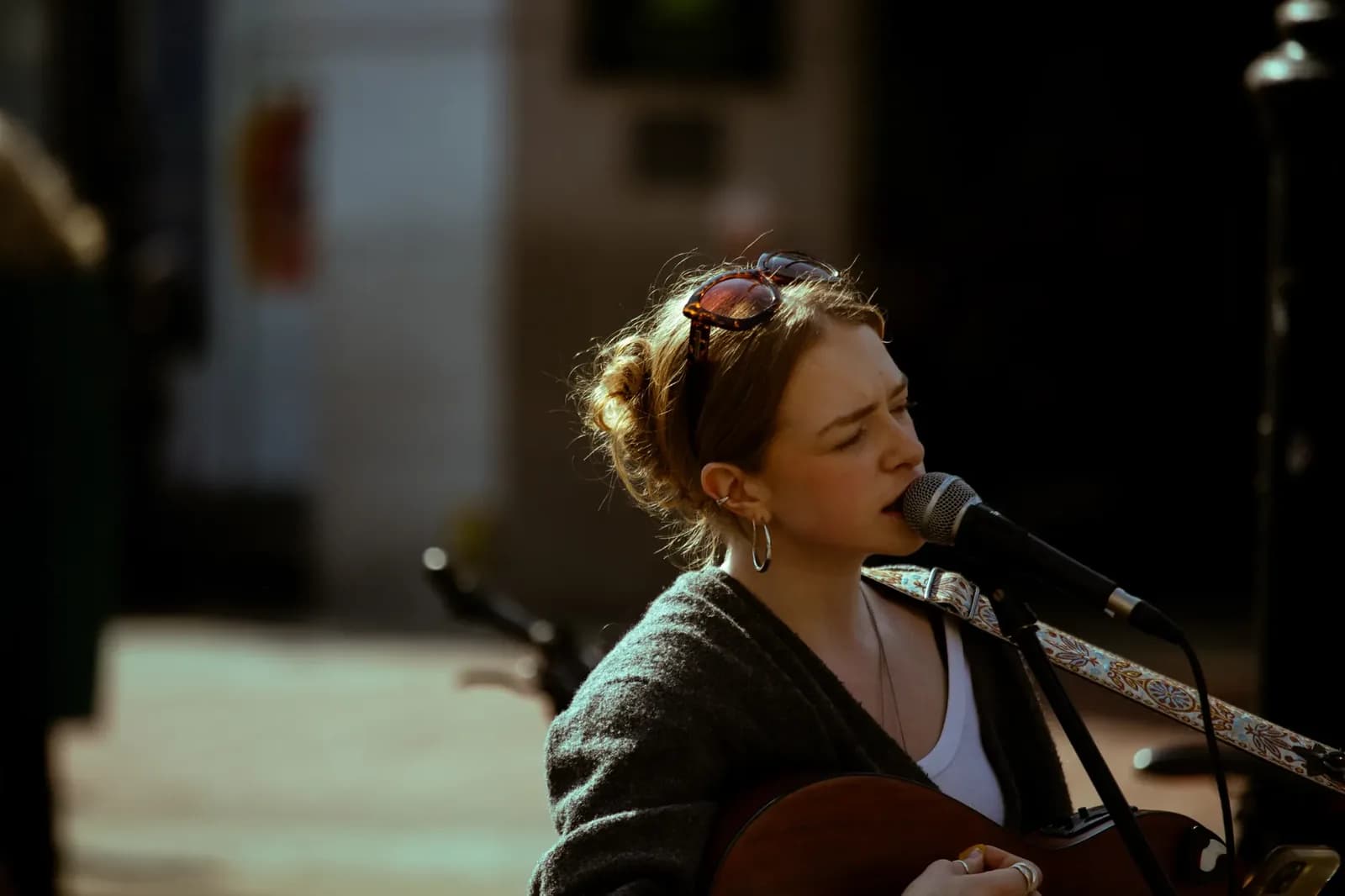
Sophie Lloyd, a British guitarist who tours with the US rapper Machine Gun Kelly, has spent years building an online following. She said many of the accounts behind these videos collect thousands of views and followers despite, in her view, producing nothing of their own and taking material she and others made. Her performances have been reskinned repeatedly by accounts that swapped her for highly sexualised AI characters. One Facebook page posted hundreds of short clips featuring a guitarist named Mila Vasari, each attracting thousands of views; BBC Verify found that at least three of them reproduced Lloyd's playing, retaining the same music, gestures and even facial expressions.[S1]
The broadcaster's investigators found nothing indicating that Mila Vasari exists as a real person. The clips carry visual flaws pointing to AI generation, such as malformed fingers forming chords that do not correspond to the audio and strings that stay still when struck. The account, which appears to operate from Canada, did not answer questions about why the videos were made. Its profile directs visitors to a Fanvue page for Vasari, a subscription service where creators can charge for material, adult content included. BBC Verify also found two further accounts fronted by AI guitarists that had reused Lloyd's performances and used the avatars to market adult content.[S1]
A dancing creator and a bunny that outran the original
Kjetil Krogstad, a Norwegian content creator known for clips of himself dancing cheerfully in a suit with a cup of tea, said other artists and creators have sent him numerous messages describing similar experiences. In March his followers told him that one of his videos had been reskinned with an AI-generated rabbit. That post drew millions of views, surpassing Krogstad's own clip, before it was taken down. Investigating the account, he discovered it was promoting courses on earning money from AI-generated content.[S1]
Tina Kendall, who studies online culture at Anglia Ruskin University, said some of these videos are made for amusement, but the people running the accounts frequently copy clips that have already proved popular in order to draw an audience and generate income. In her view, the tools let users automatically take an existing viral idea and recycle it. She places the trend within a broader online hustle culture that converts attention and engagement into money, whether through fan-page subscriptions offering adult material, speculative crypto products such as meme coins, or platform monetisation schemes. She added that casting the copies as conventionally attractive, white and feminine characters helps them succeed, because such imagery matches widespread cultural ideals of beauty, success and aspiration.[S1]
Creators push back as audiences mistake bots for people
In recent weeks dozens of people have used social media to name AI-generated accounts they say used their content without permission. Grace Roberts, a British car creator, expressed her fury on Instagram, saying someone had taken her video and remade her into what she described as the societal norm of what people want to watch, when the work is her livelihood. She set her original clip, showing her in jeans smiling and covering her ears at a drag race, beside an AI version featuring a blonde woman in a short dress. She told BBC Verify that the facial movements, body motion, background and even the bystanders matched exactly, with only herself altered. She also noted that she pays for and builds the cars and funds the cameras and filming gear, yet anyone can download her video, change it and profit from it.[S1]
Other creators share those worries, fearing lost exposure, followers and potential earnings. Julia Jasunas, an American comedian who has publicly objected to her jokes being taken by AI, said in an Instagram video that the most troubling aspect is bots going viral while audiences believe they are real people. She explained that stand-up performers post clips online to draw audiences to live shows, and that comedians spend a long time crafting their material.[S1]