A Historic Test for Germany's Far Right
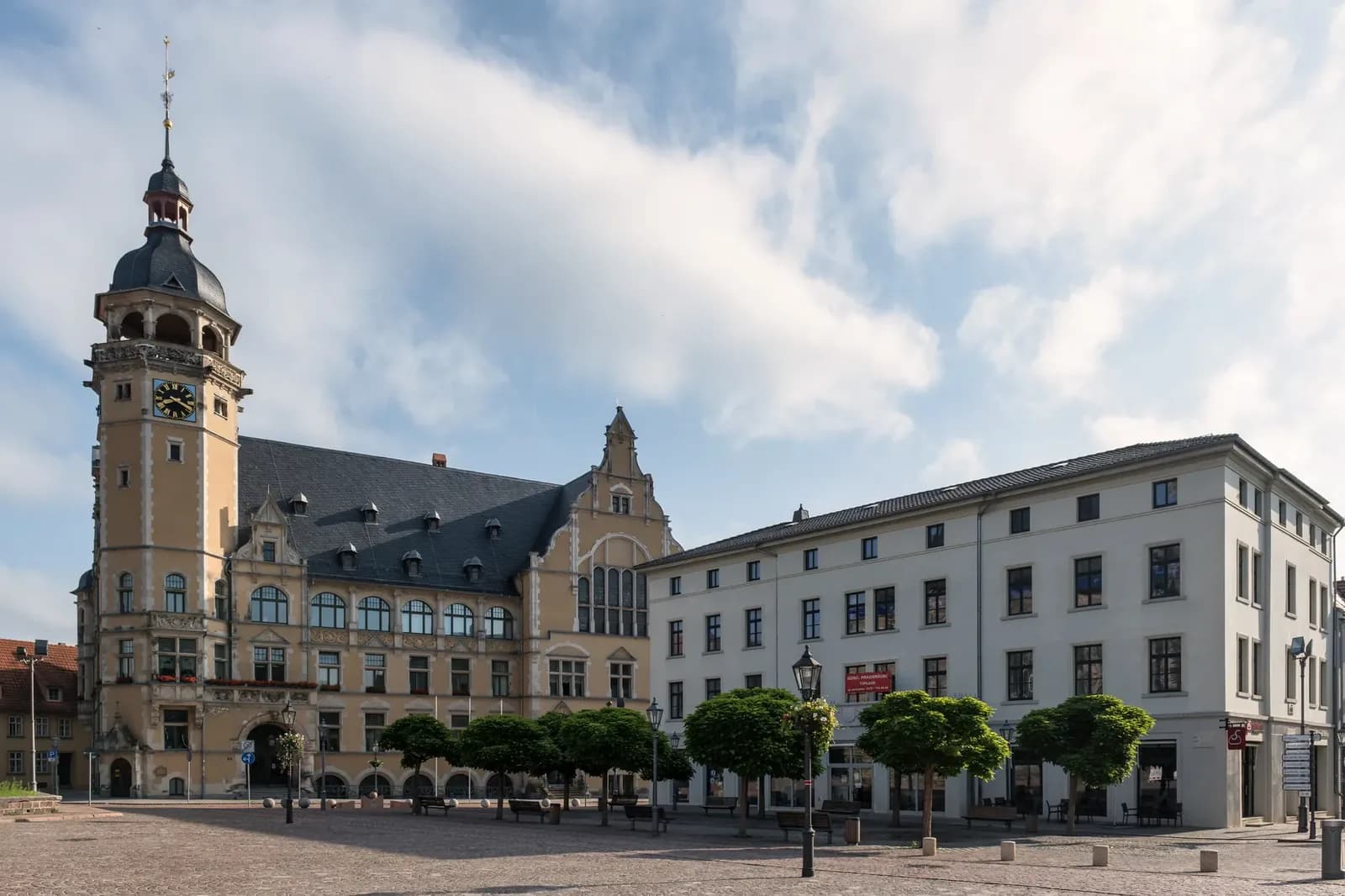
This month, Germany enters a pivotal voting stretch with three regional elections that could significantly alter the political landscape and add challenges for Chancellor Friedrich Merz's federal administration. Saxony-Anhalt holds its vote on Sunday, with roughly 1.7 million citizens eligible to cast ballots, followed by Mecklenburg-Vorpommern and Berlin on September 20. The anti-immigrant, far-right Alternative für Deutschland (AfD) is projected to see notable advances in each of these contests.[S1]
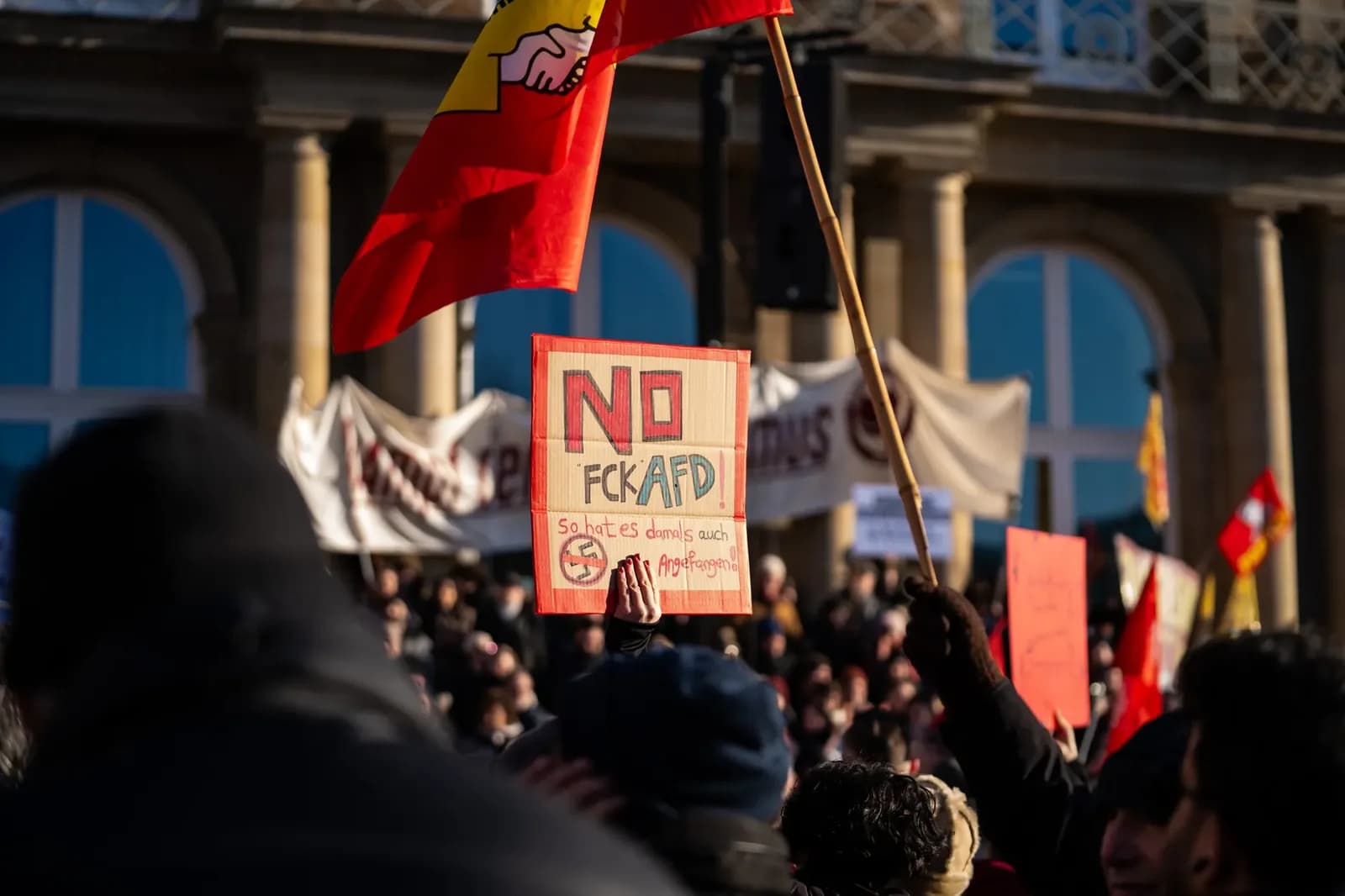
Founded in 2013 as an anti-euro party, the AfD evolved into an anti-immigrant force, capitalizing on voter frustration over economic stagnation, immigration, and cultural change. Recent polls show the party at 40-42% in Saxony-Anhalt, putting its goal of an absolute majority within reach. Such a win would mark the first far-right state government in Germany since World War II.[S1]
What an AfD Win Would Mean
State governments hold significant power through the Bundesrat, the upper house of parliament, influencing education, culture, and domestic security. An AfD takeover would be a major blow to Merz, whose term has already faced numerous setbacks. The party's leadership sees state-level power as a springboard for the 2029 federal election, where it currently serves as the main opposition in the Bundestag.[S1]
The AfD's main obstacle has been the refusal of other parties to cooperate with it, known as the Brandmauer, or firewall. However, an absolute majority would render this approach ineffective. The party has outlined plans to deport 'irregular migrants' immediately, replace the state slogan 'Think Modern' with 'Think German', and cut funding to public broadcasters it deems left-wing propaganda.[S1]
Controversial Policy Proposals
In education, the AfD proposes replacing rainbow flags with German flags in schools, having students sing the national anthem, and segregating asylum-seeker children into separate classes. It also wants to legalize home schooling, which was banned as a reaction to the Nazi era, and revise history curricula to reduce focus on that period. Russian language teaching would expand, while anti-extremism programs would be cut.[S1]
The party's environmental agenda includes banning wind farms. On family policy, it proposes 'welcome money' for couples with children, reduced childcare costs, and free school meals to boost the birthrate. For security, it seeks to overhaul the domestic intelligence agency, which has classified the AfD's Saxony-Anhalt branch as right-wing extremist, and introduce 'citizens' watch' groups to assist police against left-wing extremism. Critics compare this to Nazi-era auxiliary police structures.[S1]
The Face and the Path to Power
Ulrich Siegmund, the party's 36-year-old candidate, has gained a large TikTok following and is often received like a pop star, traveling on a vintage East German moped. A former air freshener salesman with a business psychology degree, he has been dubbed 'Germany's most dangerous man' by Der Spiegel, a label he gleefully signs at rallies.[S1]
Although an AfD victory appears probable, securing an outright majority is not guaranteed, partly due to Germany's electoral rules. The outcome hinges on whether smaller parties manage to surpass the 5% threshold required for parliamentary representation. If they do not, the AfD could form a government with less than half the votes. Mainstream parties like the CDU have excluded any coalition with the AfD, but the CDU might need backing from the far-left Die Linke to establish a minority government—a possibility Die Linke might entertain to block an AfD administration.[S1]