Markets Nearly Split on September Hike
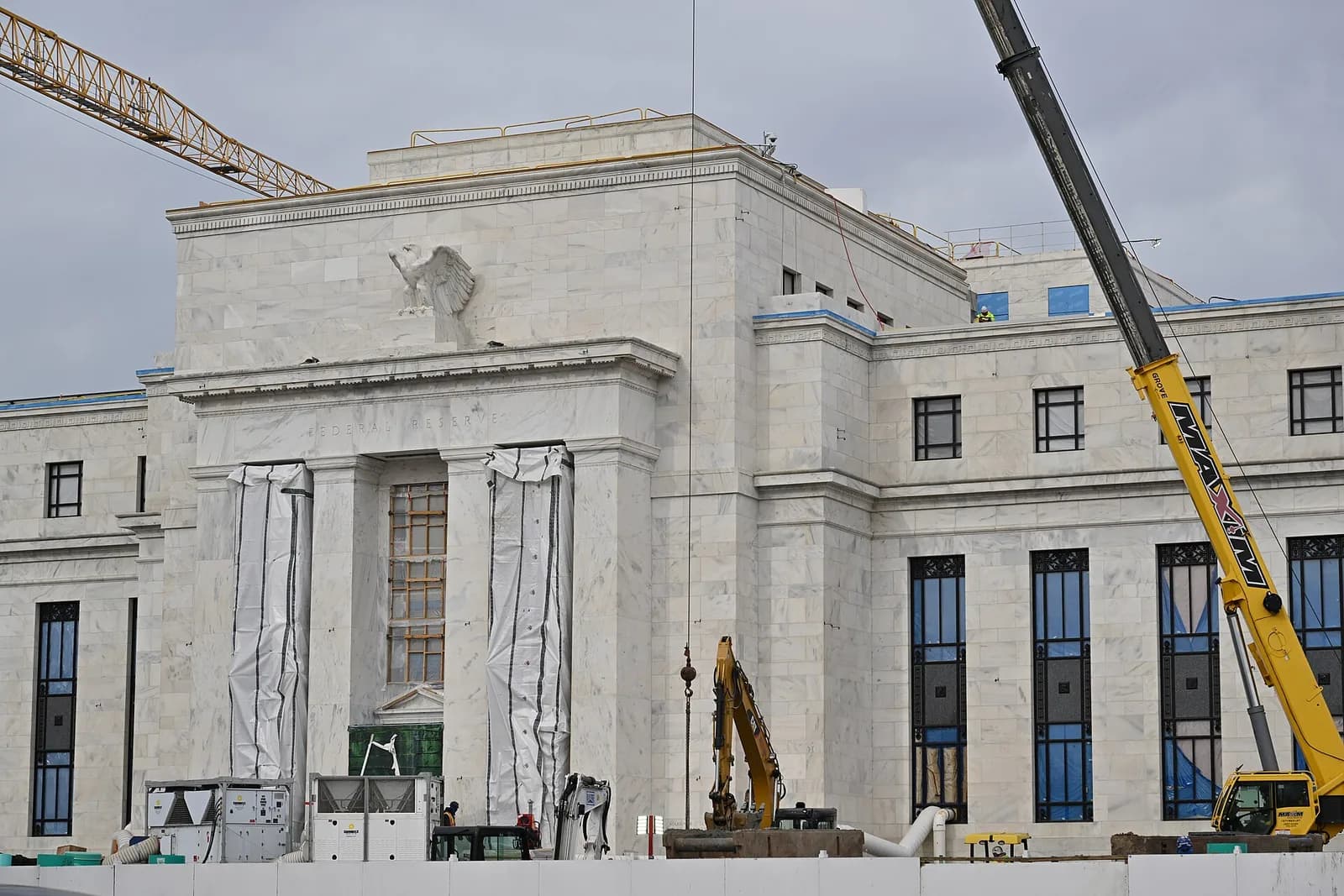
Traders are almost evenly divided on whether the Federal Reserve will raise interest rates next month. Futures markets assign a 50.4% probability of a quarter-point increase to a range of 3.75%-4.00%, against a 49.6% chance of holding steady at 3.50%-3.75%. This balance marks a shift from earlier in the week when hike odds climbed into the mid-60% range.[S1]
Expectations cooled after Fed Governor Christopher Waller signaled he might support leaving rates unchanged if upcoming inflation data shows price pressures easing. With the September 15-16 meeting approaching, the jobs report now has the potential to move a market lacking clear direction.[S1]
What Economists Expect from August Payrolls
Market observers predict that the U.S. added roughly 56,000 jobs in August, a rebound from the unexpected loss of 23,000 positions in July. The jobless rate is anticipated to hold at 4.1%, and yearly pay growth is projected to ease to 3.0% from 3.2%. Additionally, analysts will be watching for any adjustments to earlier employment figures.[S1]
The economy may need fewer new jobs to keep unemployment stable than in the past. Estimates put the monthly break-even rate at roughly zero to 50,000 jobs, partly due to slowed immigration and weaker labor-force growth. Thus, a gain near 50,000 might not be as weak as it historically would appear.[S1]
Mixed Signals from Recent Data
This week's indicators have sent conflicting messages. Private employers added only 38,000 jobs in August, below the expected 48,000, while manufacturing lost 17,000 and professional services shed 16,000. Job openings edged up to 7.271 million but missed expectations, and hiring fell by 278,000 to 5.054 million, though layoffs dropped to 1.666 million.[S1]
Weekly jobless claims remain contained, with initial claims at 206,000 and continuing claims at 1.779 million. Meanwhile, the ISM services index rose to 55.4, with new orders at a three-and-a-half-year high of 60.9 and prices paid at 72.6, the highest since August 2022. Manufacturing input prices also stayed elevated at 71.1, indicating broad cost pressures.[S1]
How the Report Could Move Rate Expectations
A strong payroll report, with job creation exceeding expectations, unemployment at or below 4.1%, and higher wage growth, could push hike odds back above 60%. Short-dated Treasury yields and the dollar would likely react sharply. Conversely, a weak report with negative payrolls or rising unemployment would make it harder to justify tightening.[S1]
A number near the 56,000 consensus might leave the decision at its current 50-50 split, shifting focus to next week's inflation reports. Fed officials stress that inflation remains key, and recent ISM price data heightens the importance of CPI and PPI releases. Even a weak payroll report may not fully rule out a hike if inflation stays firm.[S1]