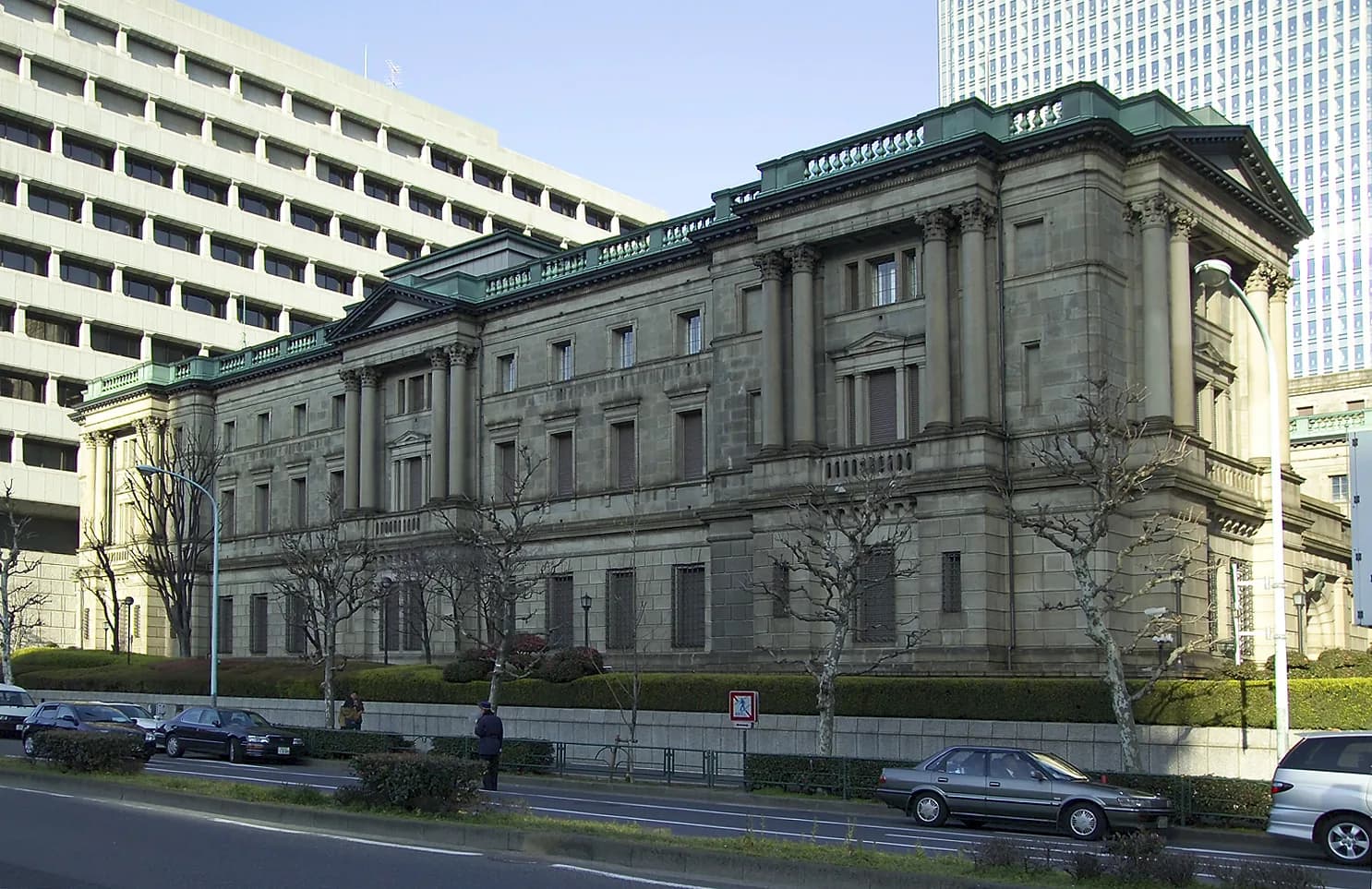
I would ask first what the Bank of Japan’s projected path of rate increases tells us about the terms on which money is lent and borrowed. My own observation has been that when the legal rate is fixed below the lowest market rate, the effect is nearly the same as a total prohibition of interest: the creditor will not lend for less than the use of it is worth, and the debtor must pay for the risk the creditor runs. Here, the adviser’s projection of quarterly hikes through January 2027 suggests a deliberate adjustment of the price paid for the use of money, but the article does not tell us whether this price is above or below the market rate that borrowers with the most undoubted security would otherwise pay.
The success of any such monetary expedient, as I noted of paper credit in Pennsylvania, depends upon three circumstances: the demand for an instrument of commerce, the good credit of the government that makes use of it, and the moderation with which it is used. A central bank raising rates quarterly is, in effect, managing the value of the instrument it issues. If the increases are moderate and keep pace with the demand for money, they may support orderly circulation; if they outrun what the market can bear, they risk the disorder that comes from a mismatch between the nominal rate and the real value of credit. The article gives us the projection, but not the evidence of demand, creditworthiness, or moderation—so I would withhold judgment on whether this path is prudent.